The film was also one of the most popular among the public, taking 6th place among the Top 20 films nominated for the Audience Award. It participated in the IDFA Competition for Feature-Length Documentary and was one of the features in the ‘Why Poverty?’ program.
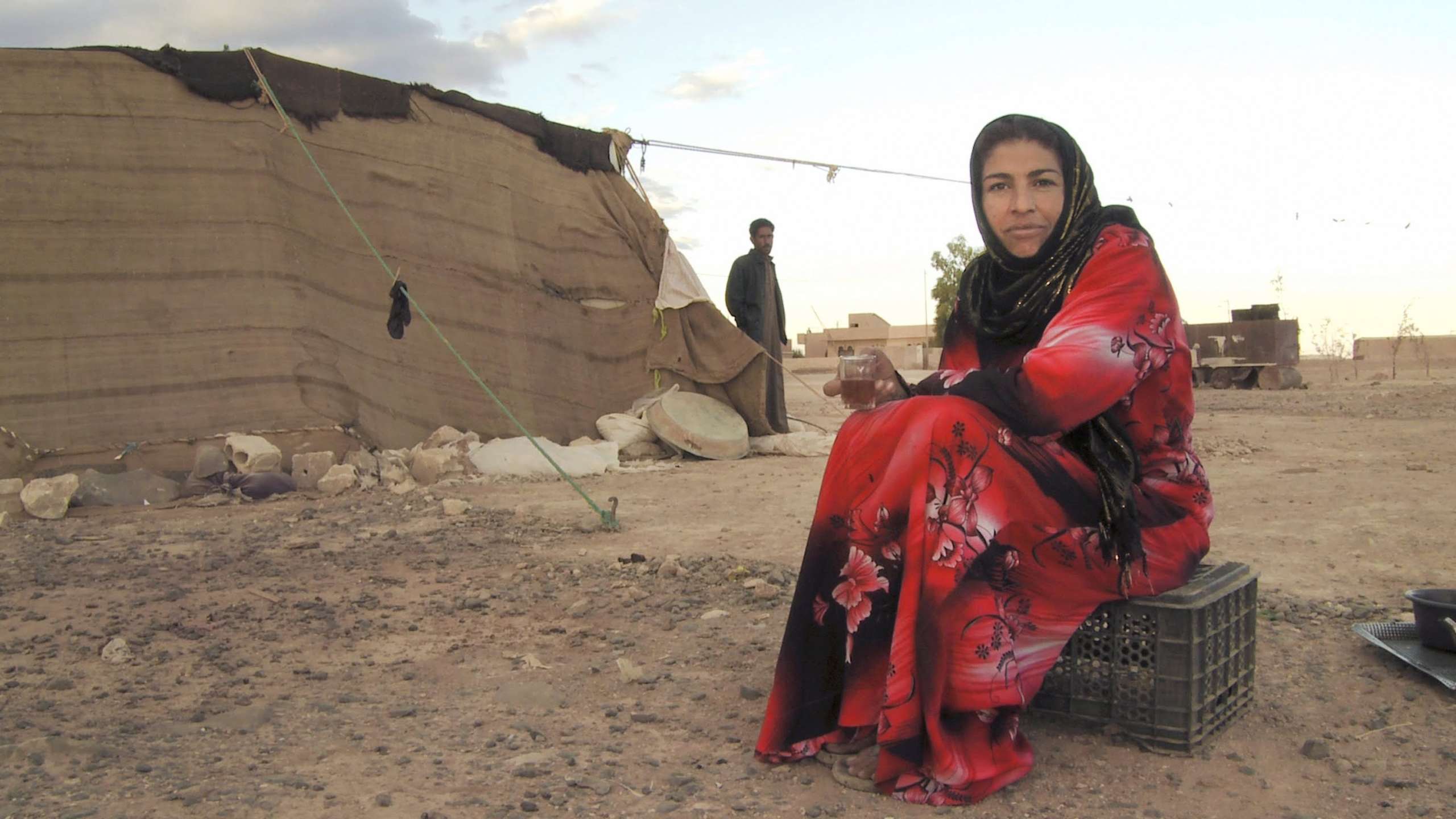
Rafea: Solar Mamas directed by Mona Eldaief and Jehane Noujaim won the Oxfam Novib Award at IDFA last November. The film was also one of the most popular among the public, taking 6th place among the Top 20 films nominated for the Audience Award. It participated in the IDFA Competition for Feature-Length Documentary and was one of the features in the ‘Why Poverty?’ program.
This is the story of Rafea, a Bedouin woman who lives in a small village in Jordan. She is the mother of four children, unable to read or write, and the second wife of a husband on whom she depends financially. But she has been given a once in a lifetime opportunity and she takes it immediately. When one of the two women from her community withdraws from going to the Barefoot College in India, Rafea volunteers to replace her. She packs her things and leaves the next day.
The two directors initially wanted to film four women from different places travelling to India to take part in the program. But one month into the program Rafea joined and took over the story. Her character and optimism make most of the film. In the months the camera follows her, we see her inner development, her eyes changing gradually from a hesitant mother of four with no perspective to a confident woman.

She is a complex character. Her story is not simply an observation of the novel nature of transforming an illiterate woman into a solar engineer. Rafea becoming a solar engineer is also a statement. Her determination and initiative challenge the deeply rooted patriarchal customs in her community, among them that a woman should not leave her village and her children – nor should she work. By simply following the discussions as a silent witness, the camera non-judgmentally shows how irrational these customs are.
One important thing to notice is that Rafea’s personal development is set not only against her home environment but also against the atmosphere at the College. This way we get to see the way these women, who all come from very different cultures, communicate and care for one another even though they have no common language. We see touching moments when they dance together, embrace each other and smile. We see how Rafea observes this different world. The Indian women seem happy because they work; they have independence and purpose. So when she goes back to her village she talks about this. The College environment feeds Rafea’s confidence.