The Kibbutz idea was born in the early 20th century. Those who lived together in the Kibbutz shared the ideology of building a new society by replacing the traditional family with a collective one. The children who grew up were to embody a new type of envisioned human being, a so-called “new man”?
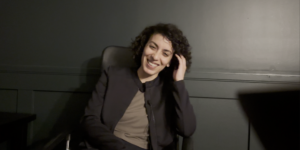
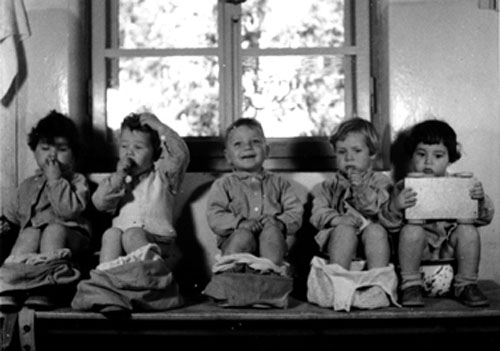
Ran Tal tells the story of life in a Kibbutz with brilliance. He has managed to collect over eighty amateur films with footage of Kibbutz life even as far back as the ’30s in a mixture of daily life and special events. He has edited the footage into a collage organised around certain themes like the separation of children from parents, love, group pressure and brainwashing. In the different chapters he prints parts of the Kibbutz rules which functions to emphasize the ideological way of thinking, of rules based on ideas, not human needs. On the soundtrack, voices talk about their experiences of growing up in a Kibbutz as several people recall their memories of specific incidents and general experiences. Different musical themes underline the various moods and feelings. This way of telling the story gives it a dreamy flavour, a stream of conscience, like memories reawakened. The individual voices jointly make up the collective memory. Not all have the same feelings about Kibbutz life, most have some negative feelings about it, but there are also positive views on it. Near the end it becomes clear that the people talking are the filmmaker’s parents and other relatives and friends. They continue as faceless voices until the very end of the film where the archive footage is followed by close-ups of their faces. This works extremely well. It is sort of a relief to see their faces, the individuals.
 Though many aspects are covered in the film, the most traumatic experience seems to be the separation from one’s parents. A mother tells how as soon she returned from hospital with her newborn baby she handed him over to the nursery where he lived with the other children in a children’s house separate from their parents. They spent only a few hours a day with their parents. The longing for parental love is cleverly told by talking about the bedtime experience where the need for reassurance and care becomes especially strong and loneliness takes over. The need to be special for someone. One of the protagonists says towards the end: “That togetherness robbed me of my personal, special family life.”
The film is a personal, expressive testimony to an enormous social experiment that fundamentally affected the lives of many people. Ran Tal is a true master of using and controlling the cinematic elements to perfection.