It did not take long for the #Covid-19 outbreak to become heavily politicised after it began to spread globally in 2020. Confusion over how to manage the unprecedented situation for which there was no road map (aside from other, different pandemics from times past) mixed with a vast and elaborate deluge of disinformation to feed deep divisions over regulations such as mask-wearing, social distancing and lockdowns, the efficacy and necessity of vaccinations, and #vaccine passes for free movement. In Europe, scepticism over rules and even whether the virus was real or some kind of conspiracy invented by shadowy powers was stronger in some nations than others, with a causal link to historical legacies of oppression and how much individuals have faith in their governments, healthcare systems and science.
When coronavirus vaccination programmes were at their height at the end of last year, widespread vaccine hesitancy among citizens and even medical workers along with a lacklustre government awareness campaign meant that Bulgaria was running at the lowest rate of immunisation in the 27-member #European Union#. Despite an abundant supply of vaccines, little more than a fifth of its population were inoculated, even as the death toll mounted and the hospital system was buckling under the strain of admissions. Many sceptics preferred attempting to obtain one of the fake vaccine certificates that spread through the country rather than getting immunised, fearing harmful side-effects from vaccines or even that they contained microchips for controlling people, as some conspiracy merchants insisted.
A face on the catastrophe
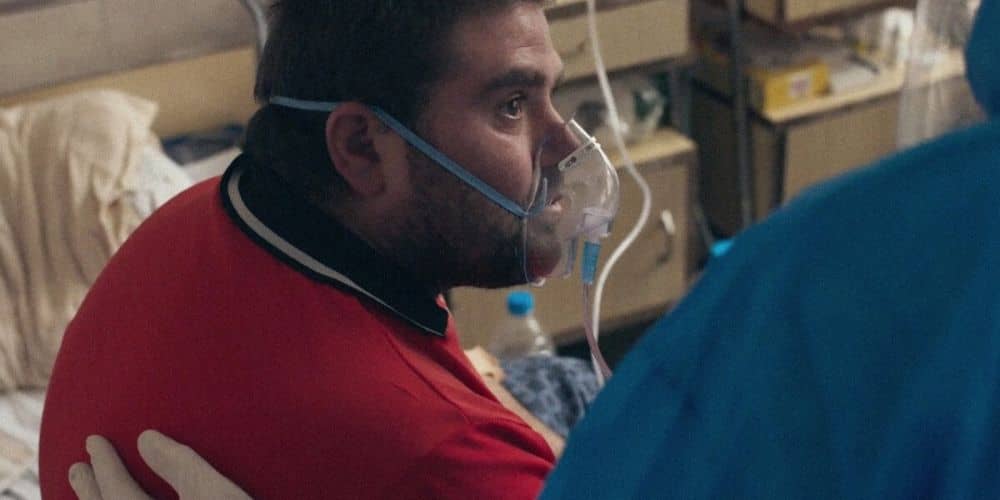
A Provincial Hospital, a documentary written and directed by Ilian Metev, Ivan Chertov, and Zlatina Teneva, which had its world premiere in the main competition at the Karlovy Vary International Film Festival and screened in the documentarycompetition at Sarajevo Film Festival, does not delve in an overly analytical way into the causes of vaccine and corona treatment scepticism in Europe, or into the origins and nature of the virus. Rather, the societal divisions around the pandemic are implicit in the atmosphere of tension, absurdist anomaly and difficulty in the rooms and hallways of the town of Kyustendil’s small hospital in the Bulgarian mountains. The normally sleepy town has been hit very hard by Covid, and the hospital is bustling with activity day and night as its harried staff try to fire-fight the serious symptoms and save the lives of infected patients whose health is rapidly deteriorating.
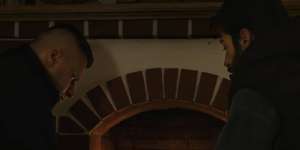
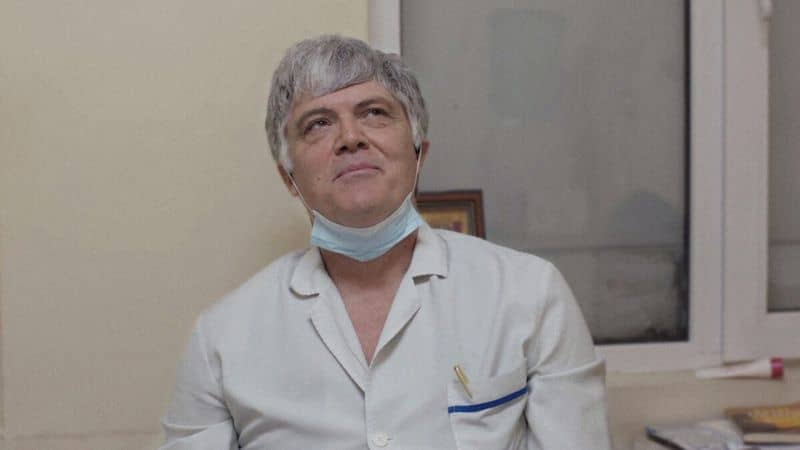
The film puts a human face on the health catastrophe as it follows the fortunes and mindsets of several patients who have been admitted for care, willingly or with great reluctance to be treated, and the doctors and nurses, led by the wry-humoured Doctor Popov, on the frontlines of the emergency. One 32-year-old patient is refusing treatment despite his critically low oxygen levels. To prevent his imminent death in a few hours, the doctor must persuade him, phoning his relatives to help or consider handcuffing him and connecting him to an oxygen hose by force. Bodily autonomy at the limits of reason is the sensitive issue here. It also weighs on the doctor, who feels conflicted by the prospect of treating his patient as if he were a criminal, but is more uncomfortable still with the prospect of simply leaving him to die when there is a chance to save him. The rapport and trust that grows between doctor and patient show compassionate engagement’s influence as a bridge between opposed and rigid viewpoints. The human cost of even one life is dramatised with a gentle poignancy by the fate of some hospital admittees. A husband who regularly visits his wife, who is in her last days and incurable, can only look and talk to her, unable to act on her requests to turn her over, through the door due to social distancing regulations — until the last farewell.
Many sceptics preferred attempting to obtain one of the fake vaccine certificates that spread through the country rather than getting immunised…
Incident and detail
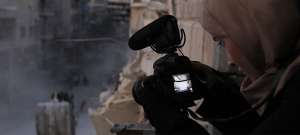
The staff, pushing through their tiredness thresholds, as there are not enough hands to keep up with the influx of serious cases, maintain their spirits as best they can by camaraderie and joking. In its warm and understated way, with an eye for incident and detail, the filmmakers capture the role of these workers as unsung daily heroes in times of crisis. Doctor Popov himself is full of wry philosophical asides and humorous stories, some of which function as incisive commentary on a society that has lost its ability to function together as a community. The Devil will give a certain guy whatever he wants, as long as his neighbour receives double, goes one such joke. The man requests that one of his eyes be removed, knowing the fellow next door will suffer more. Protecting other people may be second nature to this doctor — but as the #pandemic underscored globally, cooperation is not a concept that easily thrives in modern societies.