As we go about our daily lives, we pass-by hundreds, if not thousands, of people every day –people we don’t know, complete strangers. We play formal roles in each other’s’ lives, under the cover of relative anonymity. We recognise the mailman, we have seen the woman selling train tickets many times, and every day there is a stranger sitting next to us on the bus. But what do we really get to know about these people? How much of their past that we are not acquainted with makes up who they are? And how many extraordinary stories do we miss every single day when we pass by the people who are not meant to really enter our lives?
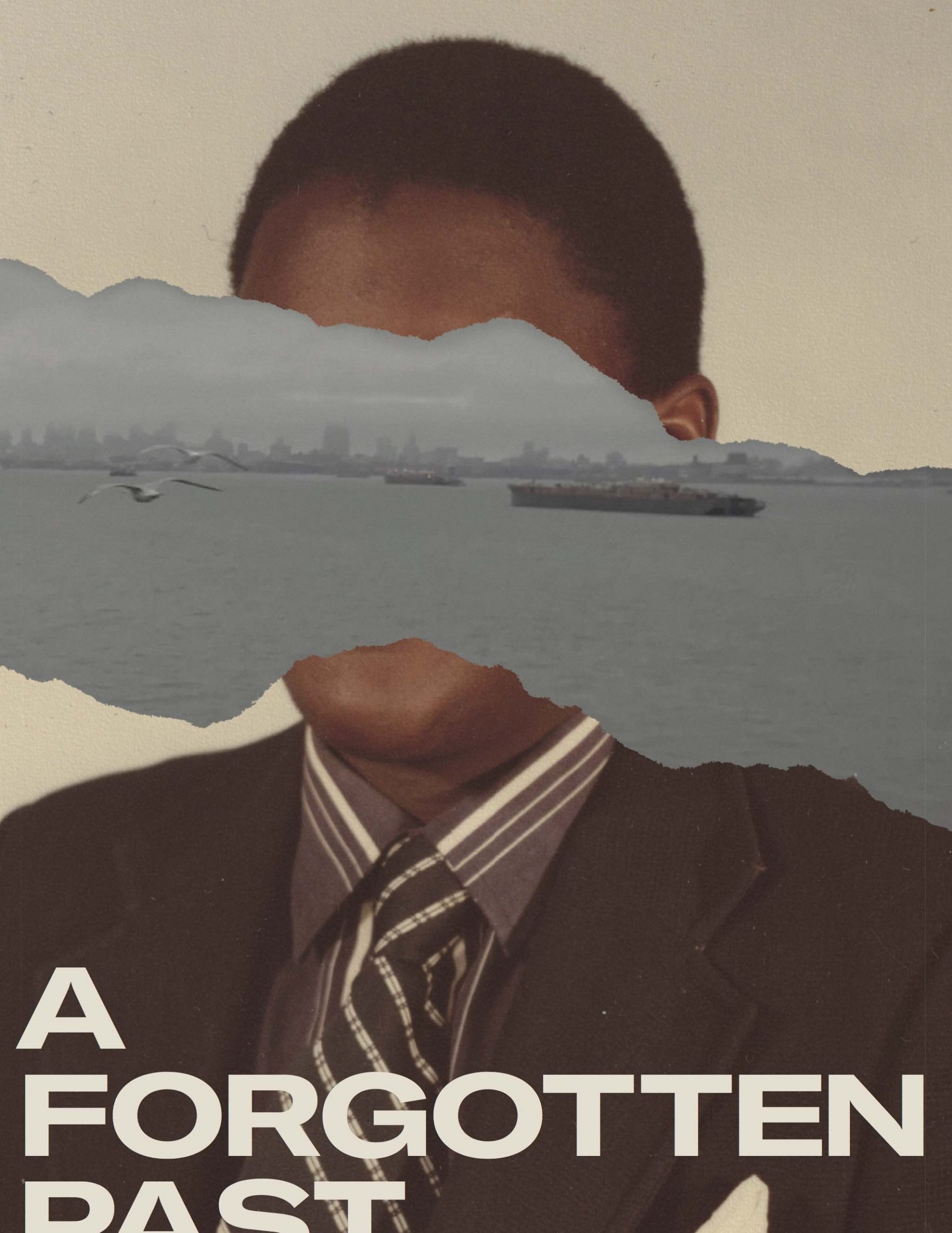
Andreas Hadijpateras’ film A Forgotten Past, which screened at the Thessaloniki Documentary Festival this March, leaves you with all these questions after its main character – who looks like any middle-aged American – tells his story. Now a family father working in a supermarket in New York, but before this life, he had another. He lived in Sierra Leone. And his father was the ruler of the country.
Narrating his family’s forgotten past
The film combines archive footage and interviews with family members and people who knew the now deceased Andrew Juxon-Smith – a politician and military official who acted as Head of the State of Sierra Leone in the 1960s. But what truly ties everything together is the cursive and fascinating story of his son Solomon Juxton-Smith. The middle-aged American turns into the narrator of his family’s forgotten past.
«If you don’t know where you’re going, you should know where you’re coming from»
Their story is extraordinary, not only because it is so deeply rooted in West African history, but also because it is a story of exile, of going from riches to rags, from living the life of country’s elite to starting all over again in the United States.
The rare archive footage of Sierra Leone in the decade following its 1961 independence is magnetic for anyone interested in African history. The black and white images absorb the viewer into a past era with an unusual combination of features. The Sierra Leone portrayed in these images is an African country recently emerged from British colonial rule, a society of the 60s that is both local and Western, with a dress code that could probably be visible in the United Kingdom as well.
Juxon-Smith’s unpopular measures

During the 60s, the country – like the many other African countries recently emerged from colonial rule – struggled to find its own way and almost succeeded in electing a democratic government. In the 1967 elections in which the opposition clearly won, a military coup took place, and the army took over power. It was at this moment that Andrew Juxton-Smith was called back from London and installed as Head of State.
It is unclear why he was chosen and brought back from London. Many seem to remember him fondly, yet it is difficult to understand how things were truly perceived at the time. In a black and white interview, he speaks with a strong British accent and explains his position against tribalism and some of his views in general. Like any military person, he was a disciplinarian and is remembered for accepted no bribes and no favours.
After years in jail, for Juxon-Smith and his family, exile became the only option
His measures and thoroughness – and also his propensity for lecturing people on what it means to work hard – didn’t win him many friends. His junta closed down state plantations that were inefficient, raised taxes and import duties, fired venal politicians and put the economy in the hands of professional administrators, all of which brought significant unemployment. Eventually, a coup, which was welcomed by the common people, removed him from power and landed him in jail together with all his officers. To many, corruption seemed preferable to Juxon-Smith’s long-term measures and strictness. And after years in jail, for Juxon-Smith and his family, exile became the only option.
Solomon is one of the few pieces left of that family past