
In Salaam Cinema, veteran Iranian director Mohsen Makhmalbaf places an ad in a newspaper calling for one hundred actors to act in a film that he wants to make to celebrate the 100th anniversary of cinema. The rest is a unique cinema experience: an audition with dozens of enthusiastic men and women turning to the camera to talk about their motivation for being in this film – an incredible mirror into contemporary Iran.
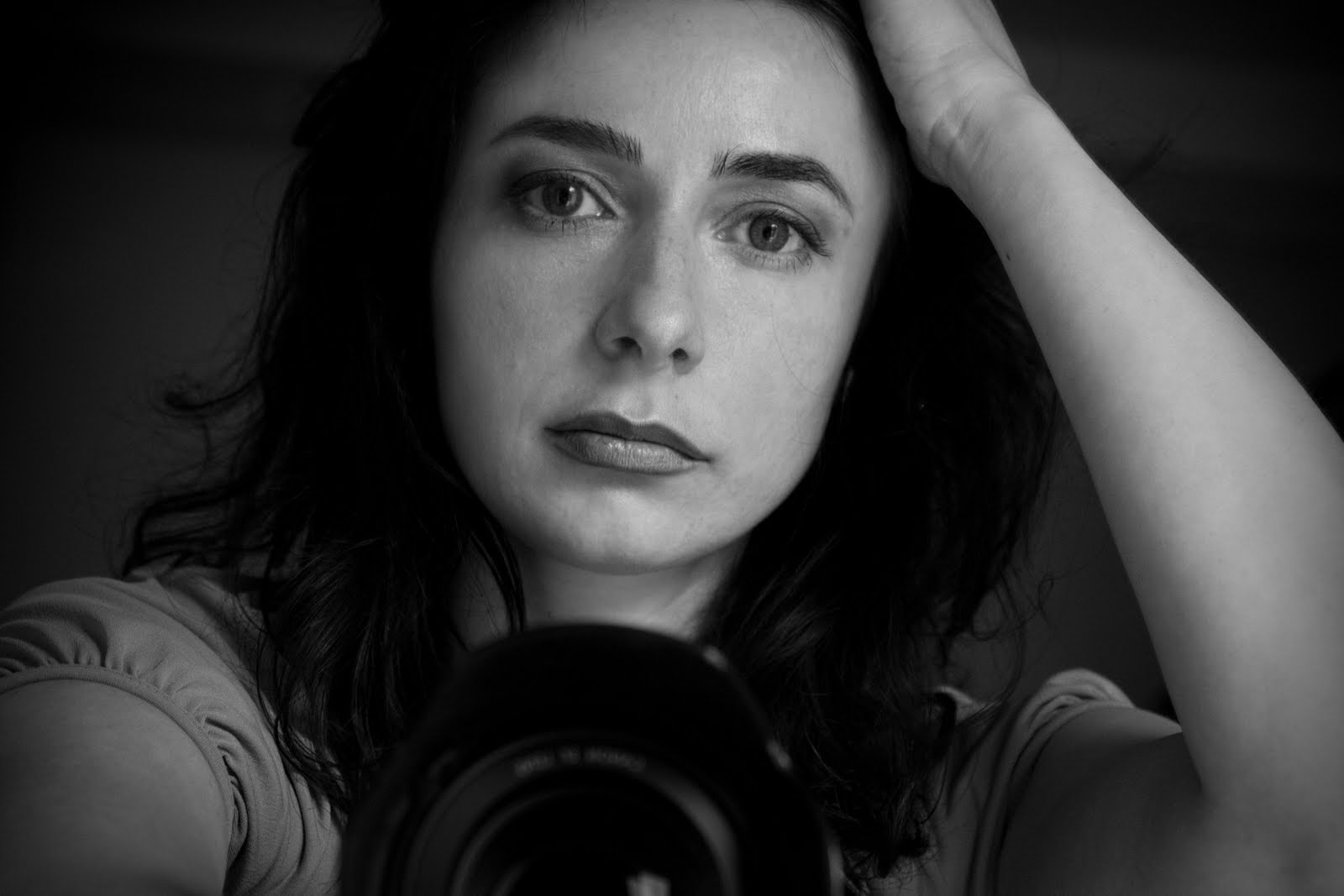
Returning home in autumn 2011 following several years in Germany, Gurchiani decides to make a film, for which she announces her decision to cast young people. Thus begins a series of auditions, in a poetic setting, surrounded by pastel-colored, decaying walls, around which Gurchiani structures her film.
From lovely Teona, who comes to the audition on her wedding day, to construction worker Jemal, who believes he would make a good Jean-Claude Van Damme double, and over a dozen intriguing characters that take turns in front of the camera to talk about their past, present, dreams and disappointments. We follow some of these characters as dramatic events unfold around their families and surroundings. Their vulnerability makes them almost transparent in the eyes of the spectators: they are shy, pensive, and at times monosyllabic. Yet in their hesitance lies a certain eagerness to tell their stories out loud, perhaps for the first time ever.

Among those who signed up for the casting, 13-year-old Ramin, a Muslim, doesn’t have much time to play, and tries to juggle school with work in the village, cutting corn and taking care of cattle grazing. He agrees to “show his life” to the director, so we follow him as he helps his mother send his disabled father to the hospital for surgery. Irakli, on the other hand, started playing poker when he lost his job, which has now has become his main source of income. The loan he took out from the bank is used for gambling: he spends most of the day on the computer playing poker with occasional outings for job interviews to no avail. 25-year-old Giorgi left Tblisi’s city life to become the governor of a mountain village of 150 inhabitants whose average age is 70. Yet despite his love for and dedication to the place and its people, the time to move on seems to be approaching for him. 22-year old Gotcha, whose father was taken prisoner during the Abkhazian war, still hopes that his father is alive and will come back one day. His dream is to join the military and have his name written next to his father’s on the heroes’ memorial one day.
Separatism, civil war, poverty, corruption and crime have sculpted the psyche of the youth
 The fragility of the protagonists is more than a matter of personality. A highly underrepresented nation that has struggled to establish a stable political and economic regime since it regained its independence in 1991, the search for a new identity is a bumpy road for modern day Georgia. Separatism, civil war, poverty, corruption and crime have sculpted the psyche of the youth, who, despite their gushing energy, talent and skills, are battling to secure a stable life for themselves and their families.