If you believe the #European Green Deal# is a way toward a more sustainable and environmentally friendly future, you better think about it again. Scars of Growth, a thoroughly researched explanatory documentary that had its world premiere at the 23rd edition of the International Film Festival on Human Rights (FIFDH) in Geneva, provides plenty of evidence that this might be a green-washed image of a much more sinister plan. Directors Monika Grassl and Linda Osusky intelligently structured the gathered material, and the voices of diverse stakeholders intertwine in a complex, troubling narration. Starting with declarations, such as this one by the President of the European Commission: «Old growth model based on #fossil fuels# and #pollution is outdated and ‘out of touch’ with our planet. The European Green Deal is our new growth strategy, a strategy for growth that gives more back than it takes away.»
More growth?
Our problem is not an economic crisis; our problem is that we are using too many natural resources, warns Timothée Parrique, an ecological economist from the University of Lausanne. To respond to this problem with new growth is like a doctor would attempt to cure an obese patient by advising them to eat more. Parrique defines this as the «paradox of modern environmental politics»: we have a «too much» problem, and we have a «more» solution. In place of oil, coal, and gas, now the «rare earth» (a group of 17 different minerals that occur together in deposits), together with lithium, cobalt, and copper, are the «critical raw materials.» Hildegard Bentele, a member of the EU parliament, introduced the European strategy for critical raw materials before the parliamentary vote in November 2021: «We are not talking about cocoa and coffee, which we could, though with difficulty, certainly do without. We are talking about critical minerals indispensable for renewable energy technologies. Only in this way can our common goal, the Green Deal, be achieved.»
Our problem is not an economic crisis; our problem is that we are using too many natural resources
Nature and Indigenous people «under the bus»
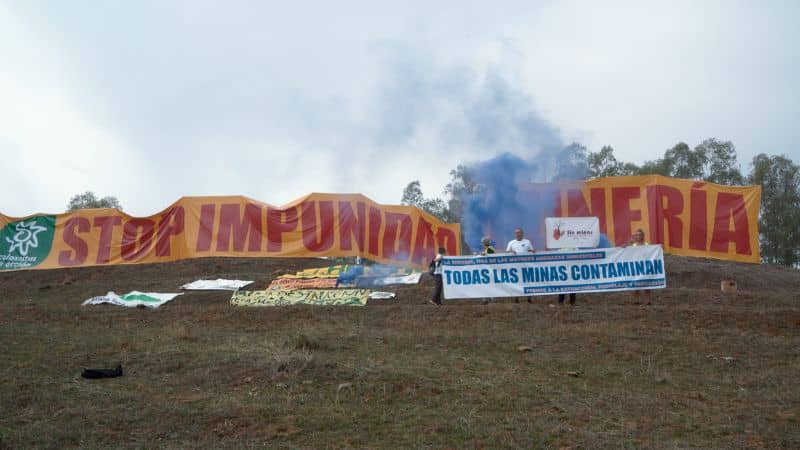
The parliamentarians approved the strategy, even though mining is allowed in natural reserves. In Extremadura, Spain, for example, mining is planned at the Nature 2000 protected site. If the mine starts operating, the vast area that has been replanted with the funds from the EU will be destroyed. In 2024, the EU’s Critical Raw Materials Act was approved to secure the domestic supply and reduce the dependency on the importation of raw materials. Again, the concerns of people directly affected have been ignored, as the FPIC (Free, prior and informed consent), the obligation of obtaining consent from #Indigenous Peoples for any activities undertaken on their land, the cornerstone principle of Indigenous people’s rights, was omitted from the final text. When he learned about this, Matti Blind Berg, the Chairman of the Swedish reindeer herders association and a member of the Sámi community, Europe’s last Indigenous peoples, concluded that the EU has just thrown its Indigenous people under the bus.
Green colonialism
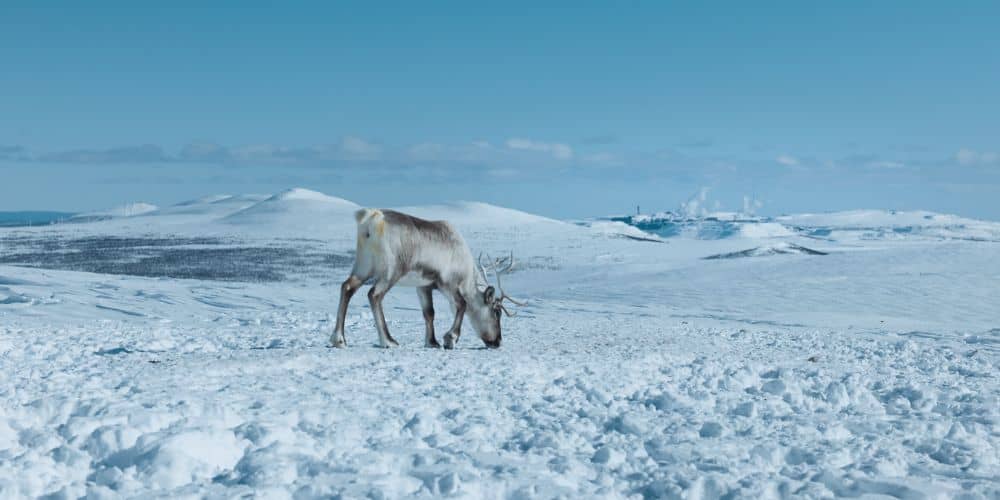
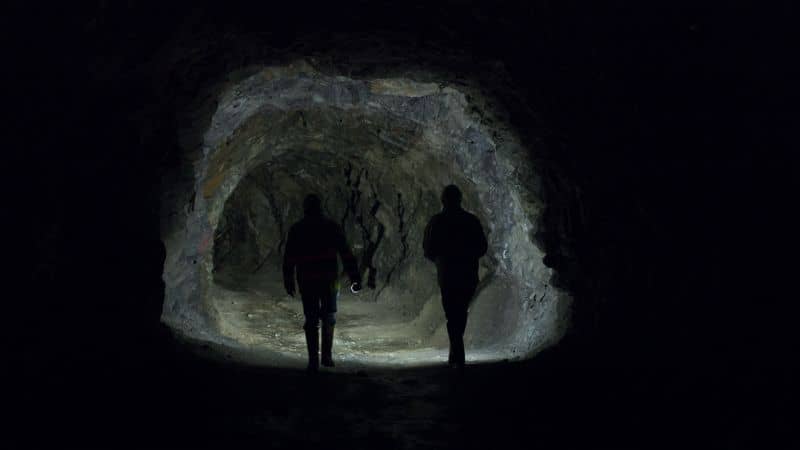
Matti lives in Kiruna where over 130 years ago, on the land where Sámis have been living since the earliest times, the underground iron ore mine was built. This mine itself should be a sufficient argument against reopening mining in Europe. The sounds of train brakes interrupt the calm of the Nordic landscape covered with snow; the trains with wagons filled with iron ore cut through the land and kill hundreds of reindeer every year. The mining activities disturb the grazing. Sámi herders are not only losing their livelihood. Without reindeer, «we have no culture left,» explains Karin Kvarford Niia. The lake where they used to fish has been turned into a waste deposit. The mine is one of the largest in the world, and the ground above it is collapsing. It is literally swallowing up the town, and the Kiruna has to be relocated. The mine, on the contrary, will expand. When, in January 2023, Sweden took over the Presidency of the Council of the European Union, they announced the discovery of a new deposit of ores not far from the Kiruna mine – the Per Geijer deposit, with «high content of materials, totally vital for the transformation from combustion engines to electric engines.» The CEO of the LKAB, the mining company that owns the Kiruna mine, similarly explained their priorities. True that people don’t want the mine close to home, but «we have to find ways because if we don’t have these materials, then we will continue to be dependent on oil, coal, and gas, and we will not deal with the climate change.»
The mine, on the contrary, will expand.
European standards, major fears
Another thing that the EU politicians, as well as the mining companies, repeat continuously is that Europe has the highest standards in the world, and they are also introducing new, sustainable mining. In the film, we see the mining companies opening #sustainability parks and presenting themselves as a part of the solution. But this does not calm the fears. For example, the copper mine Rio Pinto in Andalusia, one of the largest open mines in Europe, has been operating again since 2015. The yields are decreasing; now, for 3,3 kg of copper, 1000 kg of rock is needed, meaning that the amount of residues grows. This is one of the major concerns because the residues are deposited in slurry ponds that can contain heavy metals and other toxic substances. If the Rio Pinto mining continues as planned, in the next 15 years, it will create 161 million tons of residues, and for such an amount, the existing solution, the ponds, might no longer be safe. The film shows the testimony of the geophysicist Steven Emerman, who in 2021 warned the EU parliament about the risks of the ponds in the same Rio Pinto mine since his evaluation of the mine revealed that the ponds – contrary to the Parliament’s claims – do not meet the environmental and social standards.
Sustainable solutions imply higher costs. The profit-oriented logic might require that raw material processing mined in Europe be moved elsewhere. In the film, we hear about the plan that the lithium-containing rock, mined in Wolfsberg, 270 km from Vienna in Austria, be shipped by trucks to the Port of Koper and from there by sea to Saudi Arabia, where the battery-grade lithium will eventually be produced. In this case, along with the raw materials, the profit and complete value chain would also be drained away from Europe.
Are we ready for such a role? The mainstream media’s silence indicates that such might have been the plan. But thanks to this systematic, thorough, and brilliantly edited doc, we can’t say we didn’t know.