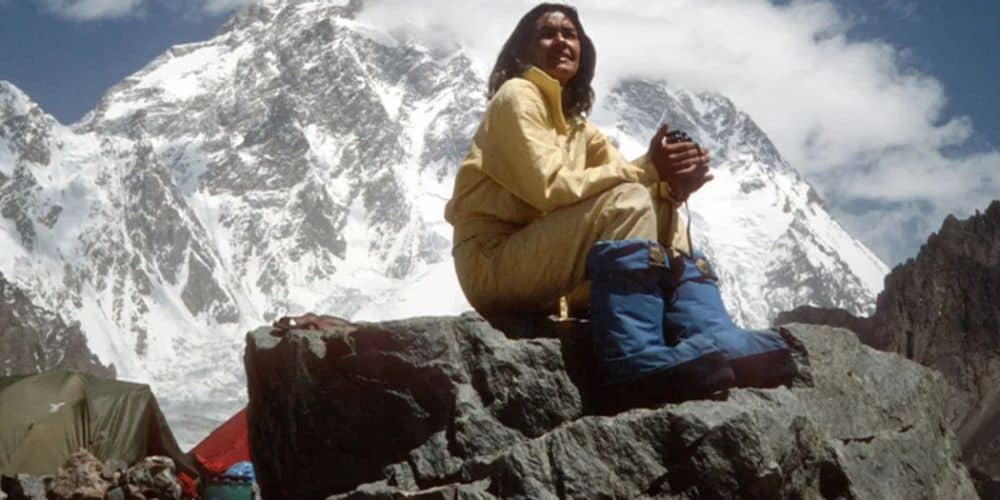
If any alpinists are household names, one of them should be #Wanda Rutkiewicz#, seems to claim The Last Expedition, a new documentary by filmmaker and mountaineer Eliza Kubarska. Written and directed by Kubarska, the film is making its international premiere in #IDFA’s Luminous strand after world-premiering at Millennium Docs Against Gravity, having already won four awards at the Polish festival. Despite its well-meaning intentions, the documentary is a somewhat skittish effort that uses Rutkiewicz’s disappearance to speculate on archival footage without combatting or critically interrogating the narratives that Rutkiewicz faced all her life focused on her inferiority as a woman even while being immensely accomplished. Kubarska has previously made two documentary features about climbing, K2: Touching the Sky and The Wall of Shadows.
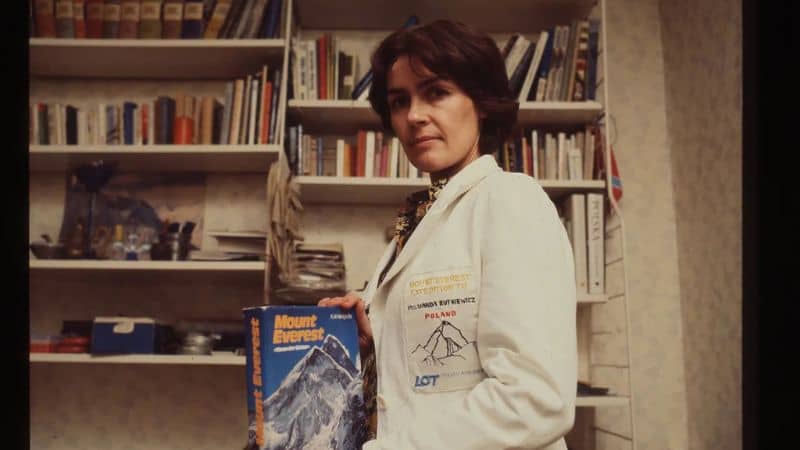
Wanda, the mountaineer…
The Last Expedition tells the story of accomplished Polish mountaineer Wanda Rutkiewicz, whose body was never recovered when she climbed the third highest mountain in the world — Himalayan peak #Kangchenjunga — in 1992. As she is referred to in the film, Wanda was only 49 years old when she disappeared, leaving in her wake an Amelia Earhart-esque mystery of a record-setting athlete. Kubarska runs with the mythos that some Himalayan locals believe: she purposely went into hiding at a convent, becoming a nun to escape the pressure exerted on her. Utilising an impressive wealth of archival footage and audio recordings that Wanda shot of her expeditions, the filmmaker lays some groundwork with attestations from Wanda herself about her goals and her desire to be independent in a variety of different ways.
Wanda was only 49 years old when she disappeared, leaving in her wake an Amelia Earhart-esque mystery of a record-setting athlete.
Wanda was the first Pole and European woman to climb #Mount Everest# and the first woman in the world to summit #K2, becoming somewhat of a personality in the climbing community at the time. Media pundits in the climber’s lifetime fiercely interrogated her about how she felt as a woman mountaineer, whereas talking-head interviews from her male contemporaries in Kubarska’s film retrospectively reveal their anxieties around her success. This includes accusations that Wanda never reached the summit of the Nepalese mountain #Annapurna, an infamously dangerous climb, led by men who were eager to disprove her abilities.
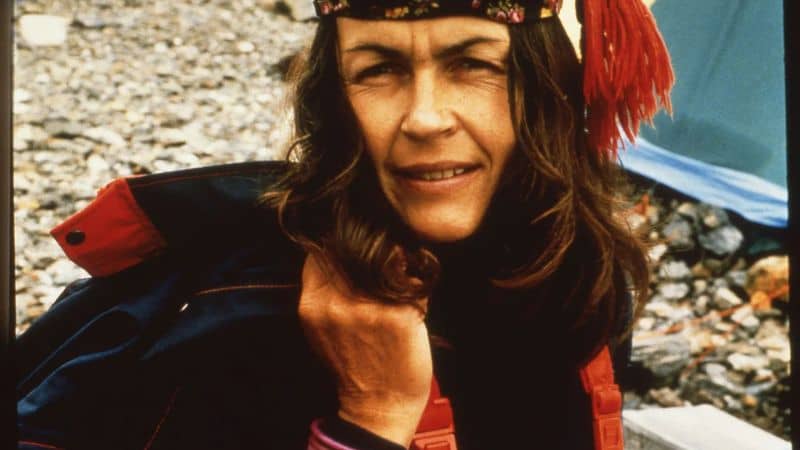
…or Wanda, the woman?
Kubarska’s film includes new interviews with Wanda’s sister, legendary Italian climber #Reinhold Messner#, and the climber who last saw her alive, Carlos Carsolio — but the clips are so brief that they act more as a spice rather than the meat of the film. The narrative meanders without making Wanda a compelling subject beyond her archival appearances, also only offering a surface-level biographical account of someone who clearly had a fascinating life.
«Many people question if the Himalayas are even a place for a woman,» asserts a radio voiceover in Kubarska’s film, which focuses heavily on the media attention the Polish mountaineer faced about being a woman. Wanda made the decision to pursue climbing all «eight-thousanders,» the 14 mountains more than 8,000 metres in height above sea level, at a time when no woman had accomplished the feat. But even with footage from the mountaineer’s private archive and Polish radio archive recordings, the filmmaker doesn’t use the documentary form to make any critical statements about this narrative so deeply ingrained in her legendary status. Instead, she relies on a more second-wave #feminist approach that, in some ways, accidentally reessentialises her and reinforces the lasting narrative that something about Wanda’s status as a woman mountaineer always needed to be called into question — and perhaps even led to her untimely fate.