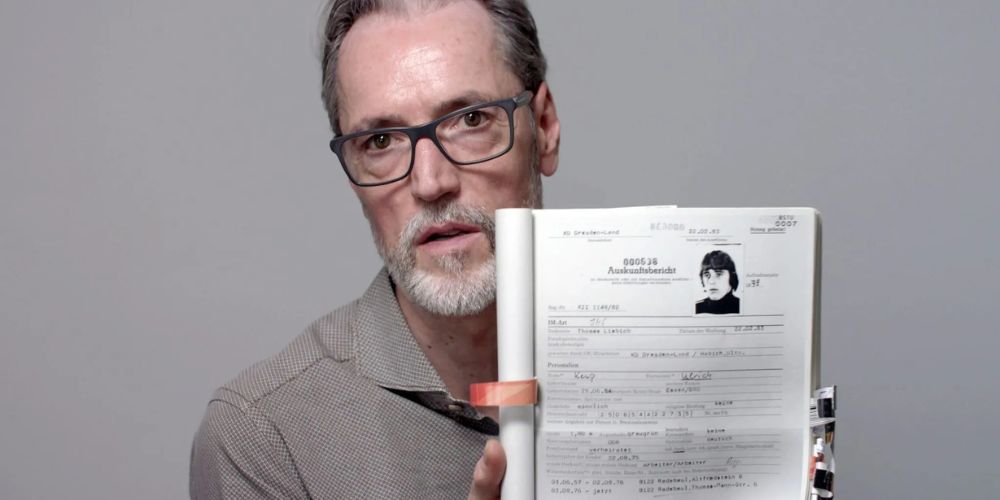
Having its international premiere at the Warsaw Film Festival, The Spies Among Us reveals the thrillingly broad scope of social #surveillance carried on by the infamous East German secret police—the STASI—for forty years after WW2. The insightful, well-researched, and dynamically told story of historian Peter Keup, who attempts to unravel the hidden, everyday work of #STASI officers at various organisational levels, approaches the subject from multiple angles and perspectives, delineating its inner workings and the human psychology behind the system’s deadly effectiveness. The Spies Among Us manages to uncover a human face of the organised cruelty, indifference, and the state’s relentless pursuit to subjugate an individual; a face that is full of fear, paranoia, and suspiciousness towards everyone and everything.
Universally feared
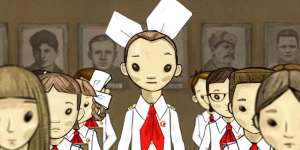
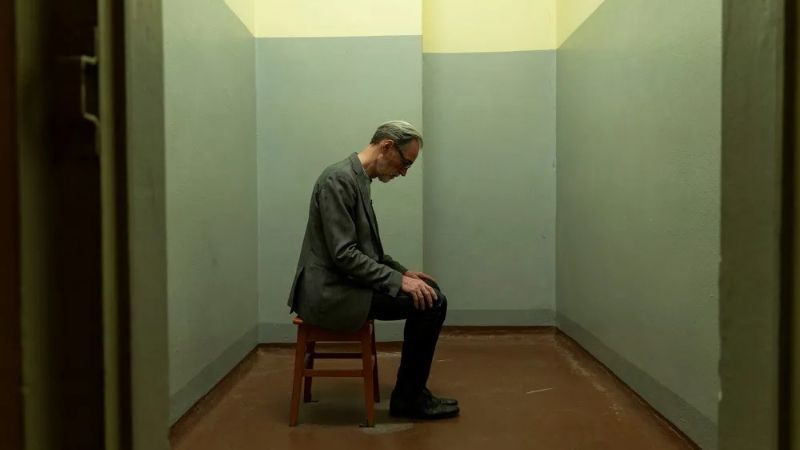
The STASI, founded and operating in close relationship with the Russian #KGB, was universally feared. Its agents had the ability to go into everyone’s home or flat and search it without the owner’s knowledge; they were arresting people on the street without questioning, not to mention a trial, in the middle of the day, and no one was brave enough to ask them any questions or even acknowledge the fact. The people were disappearing in the Secret Service’s detention centres for months or years, sometimes never to come back. There was no alternative social power that could have checked or balanced the STASI’s activities. Its secret files, collected meticulously by various means of surveillance, were instrumental for managing the #East German# totalitarian state. In the vast majority of cases, they resulted from denunciations and testimonies by an estimated 250,000 informants, many of whom were forced to collaborate due to threats to their family members, fear of losing their jobs, or vague promises of protection against potential future dangers. The STASI’s secret agents were carefully selected and put through many tests at an early age, starting at 16 or 17 years old. Their detailed, multi-year education encompassed sophisticated courses on the psychology of influence as well as practical tools of surveillance, interrogation, and violence. The state’s system of terror utilised all possible institutions, tools, knowledge, sciences, customs, and personal relationships to restrict and prevent potential disagreements with its values or aims. It circumvented and underlined the informal, personal relationships and nets of social trust to intentionally shatter every pillar of an individual’s support except the state—it surrounded all the levels of social life with a fog of distrust, uncertainty, and dread.
The suppressed silence, fear, and avoidance of the subject of the political system that enforced or influenced delations of brother against brother
Psychological warfare
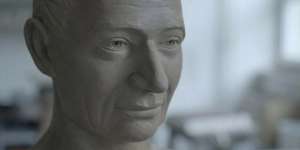
As explains one of the film’s interviewees, Dr Jochen Girke, who used to teach courses in operational psychology at the STASI’s former university—University of Potsdam—the future agents were educated in the practical use of behavioural and social psychology, encompassing influencing and managing informants, suspects, and people opposing the system. The East German socialist state was fully engaged in a multilayered, sophisticated psychological warfare against its citizens, in which collecting vast amounts of data was of crucial importance. The former, last STASI general, Heinz Engelhardt—another interviewee—observes that «data is always connected with power,» downplaying the actual reach of the STASI’s operatives and insisting that 85,000 STASI employees couldn’t fully infiltrate the society of 17 million East Germans. He perceives the tens of thousands of stories of victims as exaggerated; he prefers to see them in terms of numbers and operational, systemic activity of the state, which was carried on under the close guidance of the Russian «friends» in order to achieve higher aims of securing the power of the #Socialist Party#. The geopolitical and strategic, pragmatic and indifferent to «particulars», Engelhardt’s perspective clashes with personal stories of the victims, which raise questions about responsibility for numerous destroyed human lives and tragedies, the shattered social trust, disgraced moral values, and vast and long consequences of ever-present betrayal that linger to this day.
The human perspective
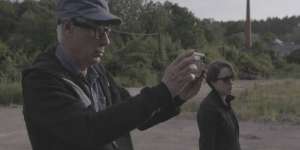
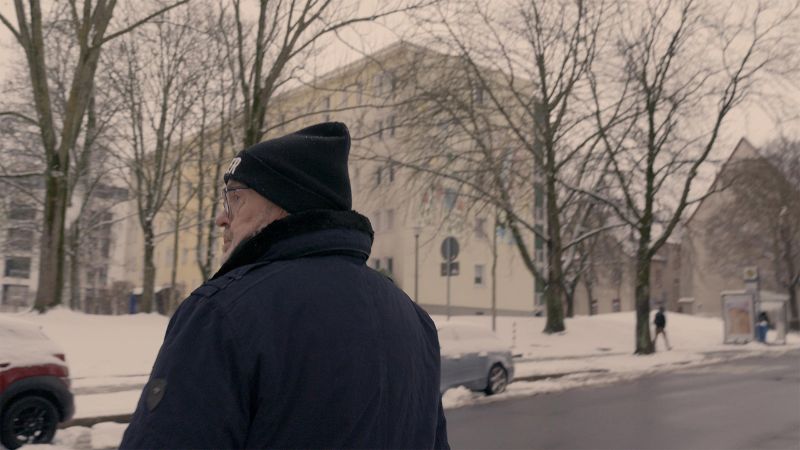
This human perspective animates The Spies Among Us, following historian Peter Keup’s research. He, too, was a victim of East German policies, and his work delves into thousands of individual stories of people living in the country at the heart of the #Cold War#, who were affected by the cruel hand of the #Secret Service#. His investigation illustrates the continuing weight the themes of the STASI’s activities hold upon German society today. The suppressed silence, fear, and avoidance of the subject of the political system that enforced or influenced delations of brother against brother, parents against their children, the closest friends against each other, not to mention the members of every possible social gathering or organisation, who were denouncing each other as a norm, are being felt to this day. «The mad system creating mad people,» as Peter Keup puts it; the system that imprisoned at least 200,000 people as political prisoners during the 40 years of its existence still raises the fundamental questions about individual responsibility, compliance with the state crimes, the limits of personal courage, and the influence of social environment on individuals. The Spies Among Us reflects a point in the vast and complex social process of reckoning with the traumatic past; a point in which the German society seems to scrutinise the arguments and ponder how to deal with its historical experience in the years after the fall of Nazism. The forty years of constant fear, which remain relatively unexamined and unaccounted for, underlie current political processes and deserve serious discussion. The Spies Among Us attempts to open a new chapter in the social reappraisal of the late 20th century.