How the revolution betrayed its women
In The Words Women Spoke One Day, Raphaël Pillosio delves into the silenced narratives of Algeria’s liberation movement, focusing on the women of the FLN (National Liberation Front). These female fighters played pivotal roles in securing Algeria’s independence, only to be betrayed by the revolution they helped achieve. Through lost footage, survivors’ accounts, and historical inquiry, the film reveals how these women were erased from the history they shaped.
Silent footage reclaimed
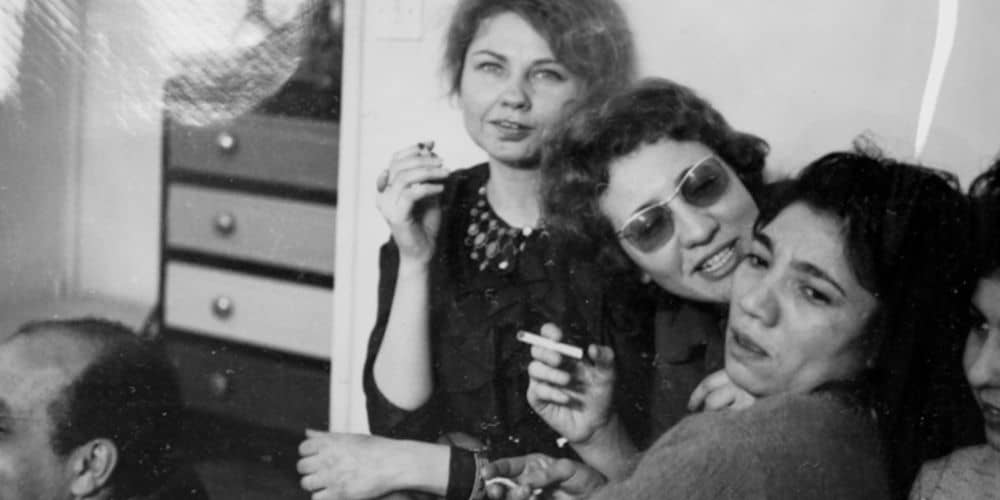
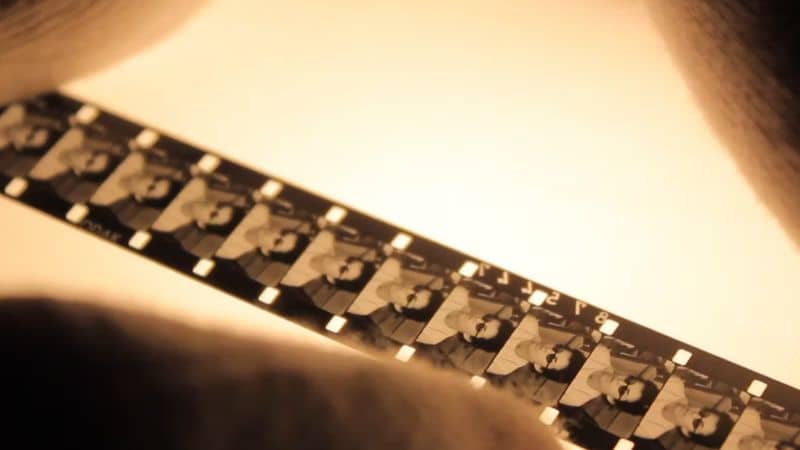
The film pivots on a remarkable discovery: 1962 footage of 15 young Algerian women, members of the FLN’s Fidaiyat—its «urban warriors.» Shot in Paris shortly after Algeria’s independence, the footage captures the women smoking and conversing, their expressions uncertain as they await instructions. Once celebrated for their roles in the revolution, these women were sent to Paris to ensure they wouldn’t «stand in the way» of the male-dominated post-independence government.
Crucially, the original audio of this footage had been deliberately destroyed. In his investigation, Pillosio discovers that the women were asked a defining question: «You, who fought alongside men, endured torture, and faced imprisonment—what role do you see for women in the new Algeria?» Though the film captures their animated responses, their words are lost to history.
These female fighters played pivotal roles in securing Algeria’s independence, only to be betrayed by the revolution they helped achieve.
Unraveling the mystery of their silence
Determined to recover these voices, Pillosio turns to lip readers and tracks down surviving participants. Some women dismiss the past as «ancient history,» while others remain silent due to societal pressures. The film highlights their systematic silencing: isolated after their release, they were kept from their families and Algerian communities. The footage poignantly illustrates their disorientation and their struggle to reconcile their sacrifices with their exclusion from the political order they fought to create.
Selective focus
The Western-looking women in the footage belong to the Fidaiyat group, also known as the «urban warriors.» This minor, elite group of university-educated women became the revolution’s public face. These women, drawn from privileged families, were a stark contrast to the thousands of rural women who supported the FLN’s guerrilla warfare but remained invisible in its official narratives.
The Fidaiyat were carefully groomed by the FLN and permitted freedoms that other women in Algerie could not dream of, such as wearing makeup and Western clothing to integrate into enemy circles. As the revolution’s first female suicide bombers, they shocked Western audiences and became global symbols of Algeria’s defiance. Yet, as the film subtly implies, their empowerment was an illusion. These women were tools of #propaganda, strictly controlled by male family members and FLN leaders. Promises of reform and gender equality were hollow; after independence, their roles were reduced to traditional domesticity, serving tea and cakes to male leaders.
The Untold Story of Rural Women
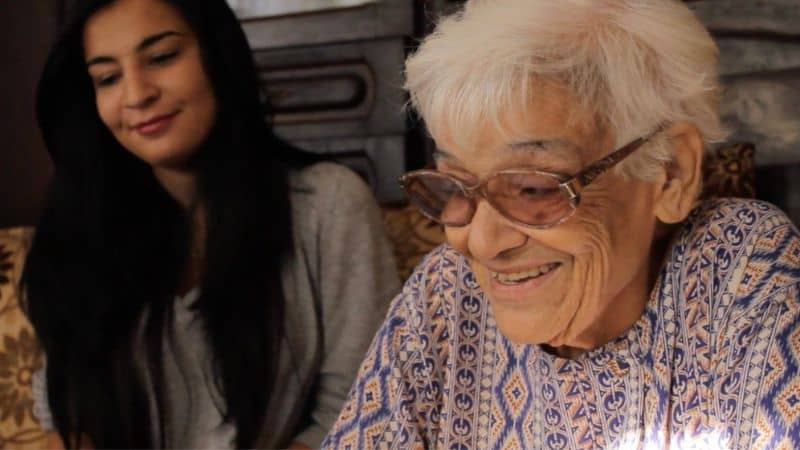
What the film omits is equally striking. It doesn’t explore the exploitation of rural women, who carried significant burdens in the independence movement but were denied recognition. Nor does it address the FLN’s brutal internal purges, where hundreds of women were disproportionately targeted—many raped and killed by their comrades.
For a broader perspective on the FLN’s treatment of women, Marc Andres’ When the FLN Executed Its «Sisters» provides essential reading. André examines the intersection of politics, violence, and gender, exposing the overlooked struggles of women in Algeria’s post-colonial narrative.
Some women dismiss the past as «ancient history,» while others remain silent due to societal pressures.
The betrayal of a cause
The few women that Raphaël Pillosio manages to track down in The Words Women Spoke One Day reflect on their post-independence lives as sobering. One describes the period as a «big, dark hole»—a time when their dreams of a socialist, egalitarian Algeria gave way to a reality even more oppressive toward women. The more outspoken women were isolated and disconnected in the province of other pan-Arabic countries, yet they were far more protected than the women from the provinces. Over time, their revolutionary zeal eroded, replaced by lives shaped by betrayal and disillusionment. The personal cost of their sacrifices symbolises the unfulfilled promises of decolonisation. Pillosio concludes by acknowledging the weight of this silence. For many survivors, the scars of political and personal betrayal run so deep that reclaiming their voices is nearly impossible. Their stories illuminate the darker realities of decolonisation, where the fight for freedom was inextricably linked to gender injustice and the personal costs of revolution.
The role of Islam
The film briefly touches on the influence of Islam in shaping post-independence Algeria but stops short of a more profound critique. One participant notes how Arab cultural norms tightened restrictions on women’s roles. Contrary to Western perceptions, the FLN’s ideology was deeply intertwined with Islamic principles. Supported by figures like Egypt’s Gamal Abdel Nasser, the movement fused nationalism with Arab solidarity, sidelining women’s rights in its vision of the new nation.
A complex legacy
The Words Women Spoke One Day is a haunting meditation on the erasure of women’s voices in Algeria’s fight for independence. While its scope is narrow, focusing on a specific group of women, the film raises broader questions about the contradictions of revolutionary movements. It forces viewers to confront the uncomfortable truth that revolutions often replicate the injustices they seek to overthrow, leaving a legacy of betrayal for those who dared to dream of true equality.