Russian president Vladimir Putin’s amassing of tens of thousands of troops on the border of Ukraine in recent weeks has stirred unease in the region and prompted alarmed headlines across the world. It presents the possibility of an outright invasion and a stark escalation of the #conflict that has been simmering for years, as #Russia makes hard demands that Ukraine is blocked from joining the military alliance #NATO.

What war means
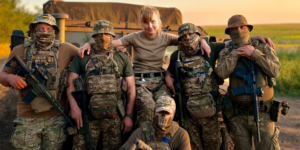
War broke out after Ukraine’s president Yanukovych was overthrown in 2014’s #Maidan revolution#, and Russia sent troops to the #Donbas to support separatists. A shaky ceasefire followed, with frequent violations and skirmishes, meaning the warzone never dissolved. French war journalist Loup Bureau’s debut film Trenches, which screens at Helsinki documentary festival DocPoint, observes what daily life was like for a Ukrainian military unit on the frontline trenches near the town of Svitlodorsk prior to this recent intensification of tensions and hints at what the war means for a young generation of soldiers.
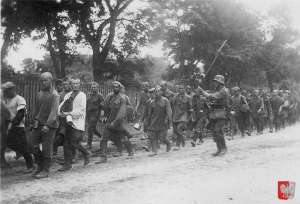
«This place is nerve-wracking,» says one soldier of the limited shelter and safety they subsist in from the range of enemy bombardments. While they have constructed cover, high-calibre weapons can still blast through. Trenches, which echo those used in World War One and underscore that high-tech developments in the way conflicts are waged today have done little to assuage the constant danger of death for these troops, should they not stay hunkered down low in the winding, muddy networks, just as their forebears did.

In service to the troops
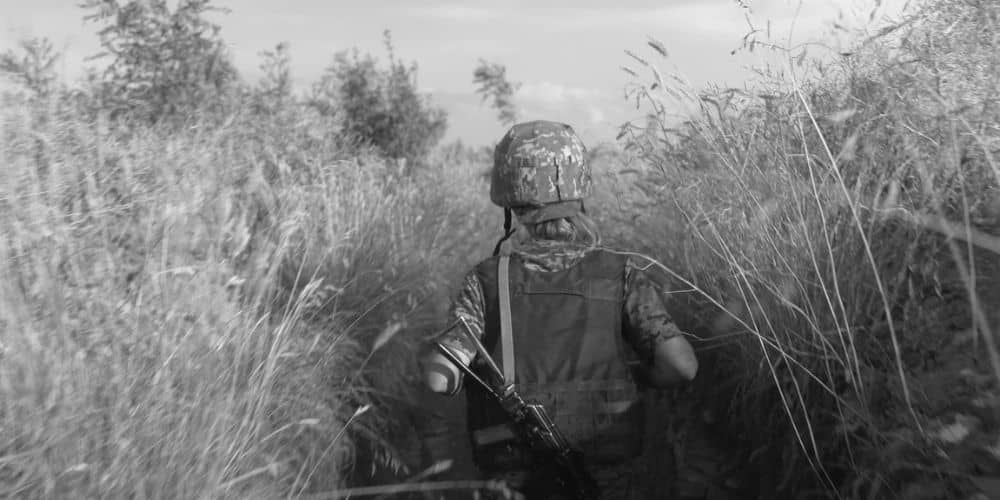
The sense of risk we intimately identify within the documentary feeds the highly partisan nature of being embedded along with one side of a conflict. Loup Bureau has achieved access markedly close to the heart of the fighting in Ukraine — and his perspective here is staunchly and unapologetically in service to the troops who he is psychologically reliant on to protect him (we do not even see a pro-Russia fighter, though the noise of their weapons jolts us.) This is a bias typical of embedded #journalism that here feels a little too baked into the editing choices, as the full range of human character traits is not so on display, possibly through the director not wanting to create any reputational or disciplinary problems for his subjects (there are no drinking bouts shown here, and any breaking of ceasefire from the Ukrainian side is carefully termed «retaliation» against aggression.) What we see instead are moments of affectionate bonding with the labrador and kittens that live at the outpost to show a softer side of the men, casual chats about families back home over meals in the summer breeze, and a straightforward vision of male camaraderie forged in mutual anxiety and peril. Black and white cinematography and occasional rousing music, as the soldiers walk through the trenches, take the documentary into moments of problematically aestheticised, romanticised territory, even as the majority of the film captures the boredom of wasted time, smoking, installing the video game Mortal Kombat, and arduously waiting. Ultimately, this is not a film of vaunted heroism but of the quiet pressures of survival. Rebuilding shelters and maintaining trenches takes up most of their efforts, and they wield shovels more often than weapons in their endeavours to stay alive.
we do not even see a pro-Russia fighter, though the noise of their weapons jolts us.
The longer they remain at war, the more real civilian life the young men miss out on. One soldier recalls two successive girlfriends who said they would wait for him but found two years simply too long within the flush of youth. The unit is overwhelmingly male, but time is made to speak with Oxana, a slightly older woman who endures with a shrug teasing about manicures and sweeping — everyday, ingrained sexism that is the only negative behaviour the film lets us be privy to. «It’s nursery school. They look like grown-ups, but some of them are just kids,» says Oxana of her younger comrades, igniting our sympathy by emphasising their vulnerability.

Generational waiting
Geopolitics and ideology are left peripheral to observing daily routines on the frontlines. However, one soldier does voice his frustration at the cynical manoeuvring around money, resources and influence that has meant the #European Union# are less inclined to intervene or support Ukraine’s independence than they could be (a title at the start of the documentary squarely frames the revolution as an uprising against government corruption.) Endless waiting for peace is not only limited to the few years these men are away but is generational, it’s suggested, as territorial incursions recur through Europe’s history and the wars the soldiers’ grandfathers were caught up in repeat. As the youths return to civilian life, changed, they wonder what it will all be about now. And to what extent they can leave the war behind.