We need to save the planet. We need to reach carbon neutral now. We need to ditch fossil fuels.
Few of us outside the boardrooms of big #oil, #coal or #gas would disagree. The #climate crisis# is upon us, and renewables – solar, wind, waves – are all that will save us in a world where 83% of energy is still #fossil-fuel produced, and energy demand is set to double or treble by mid-century.
But what about nuclear? Gram for gram of carbon per energy unit produced, carbon is cleaner than anything else, except wind power – where it is level.
Nuclear? Nuclear Power? Come on. We marched against nuclear power 40 years ago. Nuclear power is nasty. #Chornobyl. #Fukushima… Nuclear power? No thanks.
But think again, Atomic Hope – Inside the Pro-Nuclear Movement, Frankie Fenton’s fascinating and thought-provoking journey into the obscure world of the pro-nuclear energy grassroots movement, asks of us.
Germany has abandoned its nuclear power and now relies upon coal – with brown coal (lignite) open mining ripping vast dirty holes in its landscape. Countries like the UK and France that still use nuclear (and indeed are building more new stations) produce some 40 grams of carbon per energy unit; Germany 400 grams.
Young, intelligent and convincing
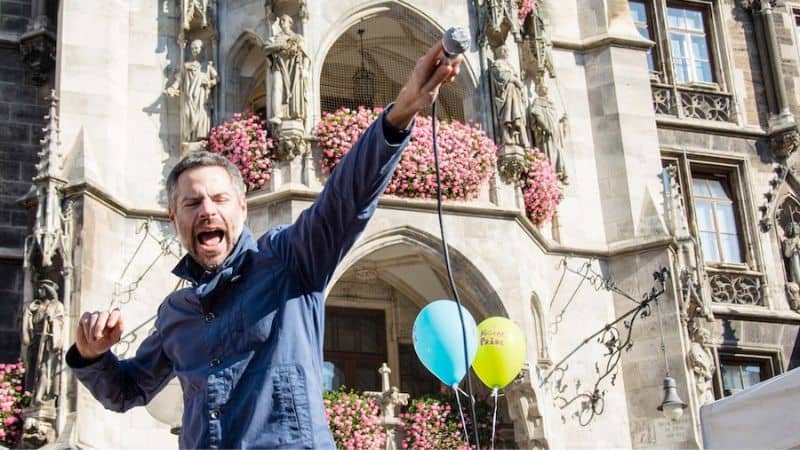
The disciples of the grassroots pro-nuclear movement are young, intelligent and convincing. They are not anti-renewables (although one of them argues that renewables are inefficient and have driven up the cost of producing #electricity) but insist that nuclear energy is the fastest waste to reach carbon neutral – maybe even carbon zero – and that, then we can tackle other ways to complement nuclear from the starting point of having arrested runaway climate change.
These are not easy arguments to hear from those of us who have been anti-nuclear since our youth, but this clever and compelling film does plant seeds of doubt about that staunch anti-nuclear position so many of us still hold dear.
As someone who wore out much boot leather marching against nuclear power (and weapons) in my youth and who has visited the site of the Chornobyl nuclear meltdown twice as a foreign correspondent, watching this documentary felt challenging. But those fears soon faded, and I found myself fast convinced of the science numerous highly qualified contributors quoted, including Dr James Hansen, who has alleged that US government agencies, including #NASA, have attempted to influence his public statements.
These are not easy arguments to hear from those of us who have been anti-nuclear since our youth
From the beginning
Atomic Hope begins where it all began: in #Japan, where the horrific power of nuclear bombs dropped on #Hiroshima and #Nagasaki brought World War Two to an end in August 1945. The subsequent development of peaceful uses for nuclear fusion came later, but nuclear power was forever tainted in most people’s minds.
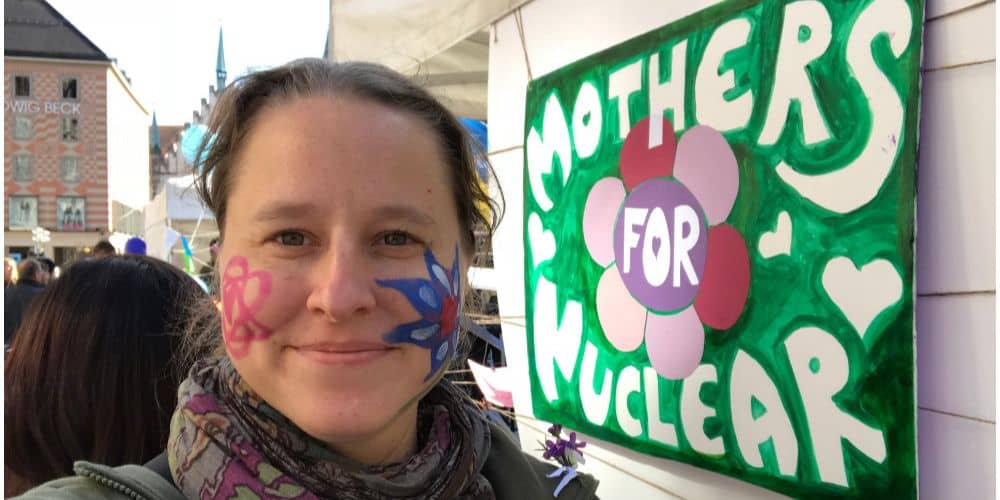
Fenton’s first character is a Japanese chief nuclear engineer who lost a relative in those nuclear attacks… and yet, he argues for the use of nuclear energy in tackling #climate change#. We move on to an enthusiastic engineering consultant who believes an obscure, weakly radioactive metallic element, #thorium, could be the brave new world of carbon-free energy before diving deeply into the world of the grassroots advocates for nuclear energy. These are people with a range of scientific and engineering backgrounds who are committed climate activists. The only difference between them and the Greta Thunbergs of the world is that they see nuclear as a key component of a decarbonised world.
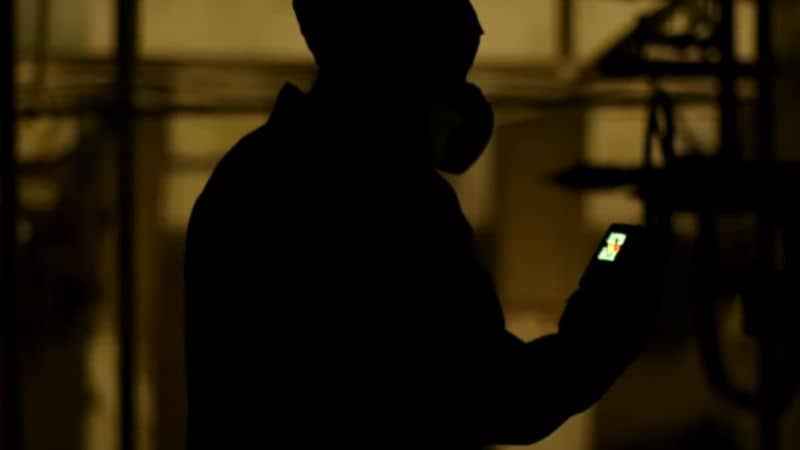
They have a point and – as enthusiastic proselytisers for their dream are hardly any different from greens anywhere. But what about radiation and deaths from radiation poisoning? The director wheels out the scientists – including the head of the Chornobyl Tissue Bank at Imperial College, London (yes, there is such a thing), who dismisses the concerns and points out how few people actually died from radiation sickness after Chornobyl and how low the resultant #cancer cases have been. By now, I am feeling decidedly better about my two trips to the Ukrainian town of #Pripyat, which housed the Chornobyl nuclear power plant workers that went into a critical meltdown in April 1986. There is also a human cell expert from Switzerland who cheerfully records her radiation levels in Pripyat and finds they are mostly lower than a dental X-ray.
Non-mainstream
Still, pro-nuclear power activism is not welcomed by mainstream climate activists, and the facts and figures – and sheer passion – exhibited by the international band of climate activists who are almost literally tilting against windmills – is not enough to make them a mass movement.
That said, as a lifelong opponent of nuclear power, I found Atomic Hope curiously encouraging and persuasive, and can only recommend any climate warrior out there to watch it.
‘Atomic Hope’ screens as part of the 2023 #Docs Ireland#🇮🇪 Pull Focus Irish Documentary Competition