Czech artist and filmmaker Vladimír Turner returns with a feature highlighting forms of art-cum-protest in Prague: the pointedly titled Urban Disobedience Toolkit, which played in One World’s Czech Competition. The film intentionally has no guiding narrative, emphasising the disparate but ultimately collective and solidarity-oriented efforts that make up the landscape of the titular acts of #protest. Instead, it is stitched together through stories, documented acts of protest, and the creation of art installations alongside montages with fast-paced rap music.
Forgetting who lives here
Prague is one of a plethora of European cities overrun by a series of intersecting crises, epitomised by massively inflated housing prices on par with large Western European cities. This is primarily driven by temporary rental platforms like #Airbnb, which cater to tourists, who contribute to urban pollution and increased #consumerism. From ads for politicians to product promotions, billboards further overwhelm the city. Homelessness is also on the rise as parts of Prague are being rapidly gentrified to accommodate wealthy residents who often own cars and contribute to urban clutter. This is all while warehouses are built to accommodate parts of a capitalistic supply chain that services people who don’t even live there. The list goes on and on.
Prague is one of a plethora of European cities overrun by a series of intersecting crises
Turner himself is an artist who engages in the creation of politically charged art. His website notes he is focused on the «enchanted mechanism of consumption-production, the «extraction of non-renewable resources,» «mass tourism,» and «inhumane methods of political systems,» among other themes. But ironically, the film begins with a block of text intent on absolving those involved in documenting these forms of #radical art# depicted, many of which could likely be considered vandalism: «authors of the film do not approve of, promote, or encourage any illegal activity.» Is the film’s message simply a legal precaution? Or does this speak to a larger curtailing of civil disobedience and forms of urban resistance?
«Artivism» in action
The filmmaker gives us a taste of what people are doing in protest against the aforementioned issues, which includes sculptural, sound, performance and other forms of art that overlap with #activism and protest. While Urban Disobedience Toolkit occasionally feels slightly too scattered—focusing on the work of three or four artists would allow for stronger emotional attachment to the subject(s)—the film offers a thought-provoking close-up look at the process behind what we see in many cities, such as street art and protest-driven acts of urban destruction. We witness countless instances of groups marking up billboards, using a paintball gun to create splatters, or directly drawing on the plastic sheets themselves. Other moments captured include using an exciting first-person cinematographic perspective to watch someone use a blade to tear through plastic sheet advertisements, either directly cutting out motifs and faces to repurpose for art pieces or simply slicing them in half so they are unusable.
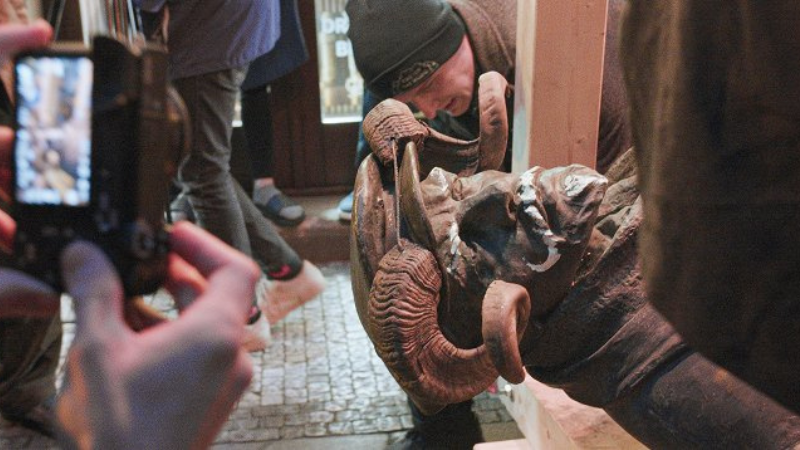
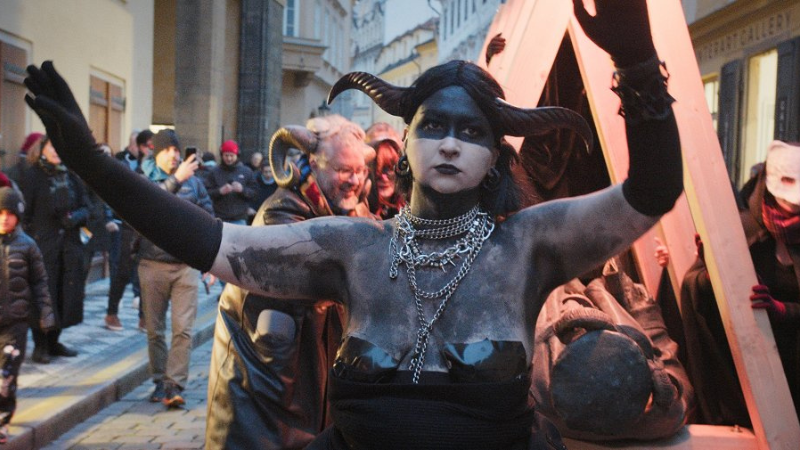
Ram horns are affixed to a one-ton bronze statue of ##Lenin, exhibited horizontally as a sign of protest and paraded around before landing at Prague’s city hall—other sculptures in the city centre prompt passersby to investigate just what they might be critiquing. Various pieces are also created to engage individuals in reconnecting with nature and reclaiming practices that have been increasingly eradicated by growing urbanity. This includes the entombment of a large stone, framed as a sort of replica of a pagan ritual: «In the name of reinforced concrete, the #climate crisis# and bonfire country music,» they bury the stone like a coffin.
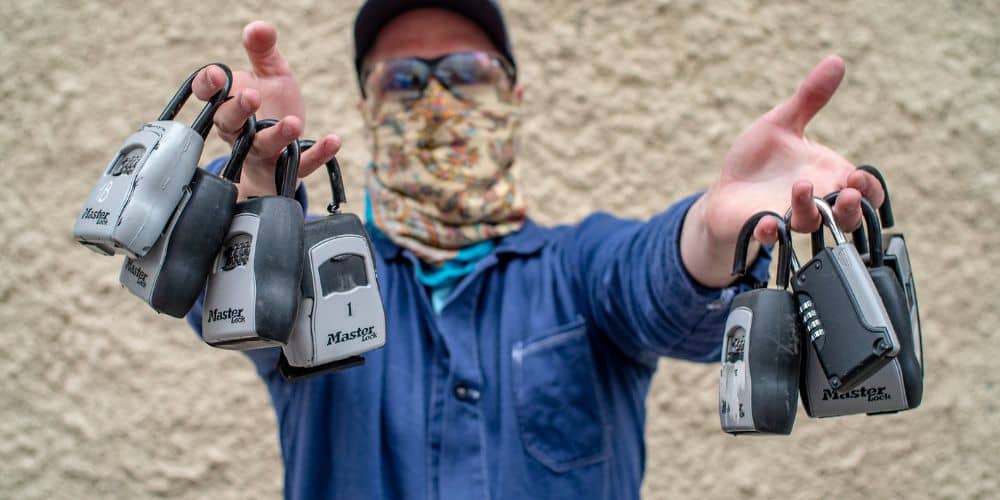
In some cases, the actions are even more direct. A man (whose face is pixelated) saws off lockboxes—which often indicate the existence of temporary rental properties managed by landlords—from the exteriors of buildings. Then, he removes all of the keys from the boxes and uses resin to create a piece of art in the shape of the seal of Prague. The film’s most personal moments are clearly those that are most riveting, where we can understand the intentions behind a specific piece of art, such as that of the lockboxes and keys. The question remains, of course, if those living in the city without context also will—or whether they’ll see these radical acts in a different light.