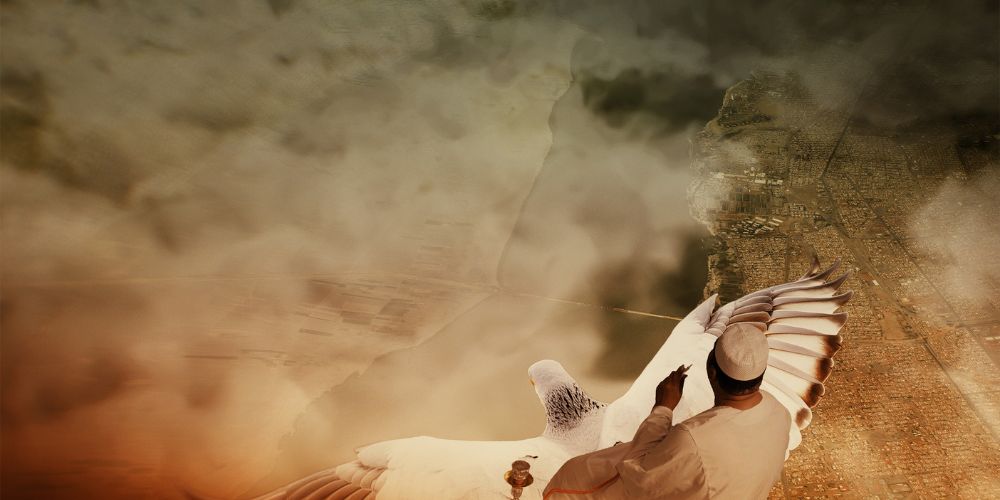
Khartoum is a bold, experimental documentary directed by a collective of Sudanese and British filmmakers Anas Saeed, Rawia Alhag, Ibrahim «Snoopy» Ahmed, Timeea M. Ahmed, and Phil Cox. Set against the backdrop of the 2023 conflict in #Sudan, the film follows five residents of Khartoum as they recount life before and during the #war. Using a hybrid format that blends documentary, fiction, green-screen reenactments, and animation, the film offers an intimate and deeply personal portrayal of identity, displacement, and resistance. It is a story about survival and memory, one that feels as political as it is poetic.

Emotional connections
Watching Khartoum as a Kenyan feels like looking into a mirror that reflects the parts of my own country that ache, the parts that are raw, honest, and often overlooked. The film stirred a deep sorrow in me for the characters and what they endured. But more than that, I felt the love the filmmakers have for their country — a love so profound that it seeps through every frame. You can tell they felt just as deeply as the participants did. The hybrid format is nothing short of genius. I’ll admit I was sceptical at first, but the way they used green-screen, performance, and animation to bring memory and emotion to life is incredibly effective. The characters are so open, so vulnerable; they let us into their pain and their joy in such an honest way that you can’t help but feel with them, not just for them.
All five characters are vastly different but share a powerful, emotional connection to their country. The children, Lokain and Wilson, stood out the most for me. Their innocence and inquisitive nature illuminated one of the most jarring yet strangely wise observations: maybe adults are stupid. That thought lingered long after they said it. Because as Majdi and Khadmallah tried to explain why the war began, the truth floated heavily in the air that everything traced back to a disagreement between two men in power. It wasn’t said in loud words, but it didn’t need to be. The consequences of that fractured leadership, that inability to reach an understanding, unravelled into violence and displacement, forcing an entire nation to bear the weight of their fallout.
These are not just stories from Sudan; they are blueprints of what it means to be African today
Mirroring
The film uses Khartoum as a mirror, reflecting the suffering of Sudan, but it’s the five characters who bring it all to life. Different in age, gender, ethnic background, and beliefs, they show the audience how war and displacement don’t discriminate. Living in #Kenya, I’ve interacted with many Sudanese #refugees, and watching Khartoum helped me understand, on a visceral level, what they’ve gone through. The film opens wounds but also acts as a balm. It hurts to see what they’ve endured, but it’s also comforting to see them build community through memory and be hopeful about a better future.
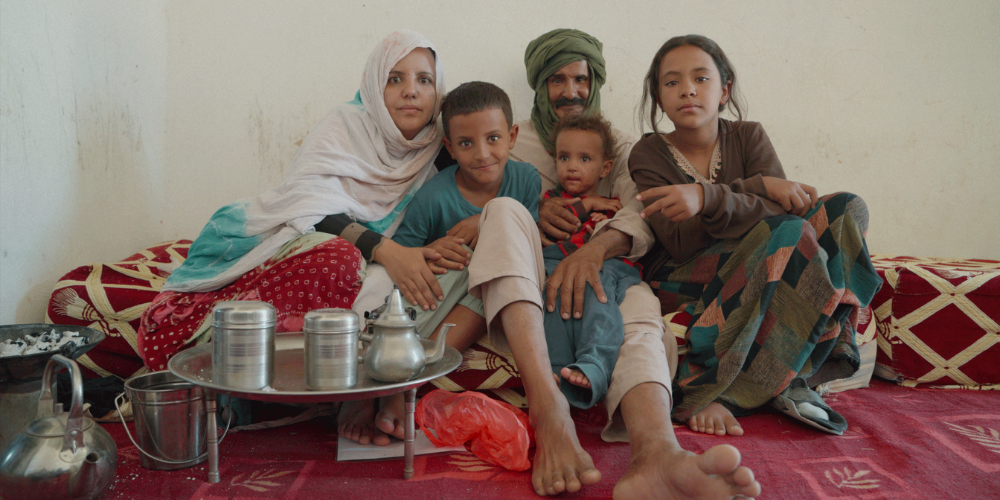
Themes of identity, displacement, and resistance stand out like the fabric of the film itself. Each character embodies these ideas in profoundly personal ways. Khadmallah, a single mother and tea seller, holds onto her identity with quiet strength, representing the everyday woman who builds community even as war dismantles everything around her. Jawad, a resistance committee volunteer, is the personification of Sudan’s revolutionary spirit: calm, intentional, and still burning with fire.
Majdi, the civil servant, is weary but dignified, his story layered with the pain of forced displacement and the #trauma of watching a system you once served fail its people. Lokain and Wilson live through displacement without fully understanding it, collecting bottles, speaking blunt truths, and reminding us that even in innocence, there is resistance.
Their stories reminded me intensely of what it means to protest, to speak up, to hope even when it’s dangerous. Khadmallah’s line about the current generation not being afraid to speak hit me deeply. I saw echoes of this in the recent Gen Z-led protests in Kenya; I thought about Nigeria’s #EndSARS protests, South Africa’s #Feesmustfall, and Uganda’s internet shutdown resistance during elections. Across the continent, young people are rising, angry, aware, and vocal. But with that rise comes grief: arrests, disappearances, deaths, and silence from the very governments meant to protect them.
In Khartoum, the filmmakers capture that duality — the courage to resist and the cost of that resistance — in a way that feels both cinematic and grounded. These are not just stories from Sudan; they are blueprints of what it means to be African today; to belong to nations that often fail their people who still choose to care.

Visual grandeur
Visually, the film doesn’t rely on traditional beauty. It doesn’t have wide shots of majestic landscapes or the visual grandeur we often associate with cinema since they used iPhones for some of the shots. Instead, it opts for intimate faces, movement, and a green screen that places us in their memories. The use of animation is brilliant. The editing, sometimes jagged, sometimes quiet, lets us feel like we are there with them, witnessing pain, recovery, and resistance. The soundtrack seals the emotion. Each song, each note, acts as punctuation on a line of grief or resilience.
Khartoum is one of the riskiest experimental films I’ve seen, and it works. It’s not just about Sudan. It speaks to the entire African continent, to anyone who has known displacement, who has resisted, who has dared to hope. It left me with a feeling I hope stays with many who watch it: that to dream is to heal. That community is vital. That maybe, just maybe, the children are right; perhaps adults are indeed stupid.
This review emanates from the Talent Press programme, an initiative of Talents Durban in collaboration with the Durban FilmMart Institute and FIPRESCI. The opinions expressed in this article are those of the author, Gloria Nkatha, and cannot be considered as constituting an official position of the organisers.