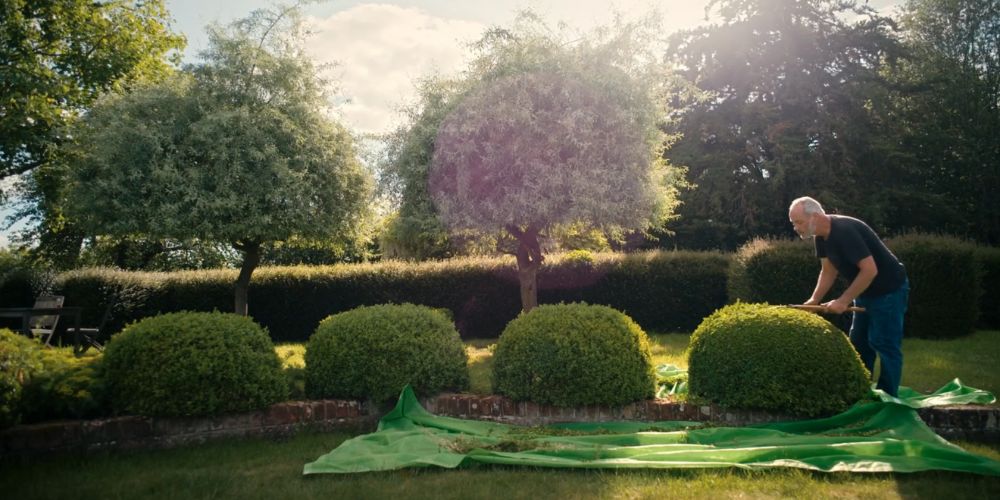
From the start, The Gardener, the Buddhist & the Spy aims to be an investigative thriller. A corporate spy infiltrates environmental activists, switches sides, and desires to expose a deadly global industry. That premise contains all the elements of a compelling documentary. However, what we actually get is different: a film that is mainly comprised of talking heads, debates over who gets to tell the story, and a director who makes the filmmaking process the main focus. The result is a strange hybrid—part moral drama, part self-reflection, part investigative report—that doesn’t fully satisfy in a cinema setting.
Asbestos
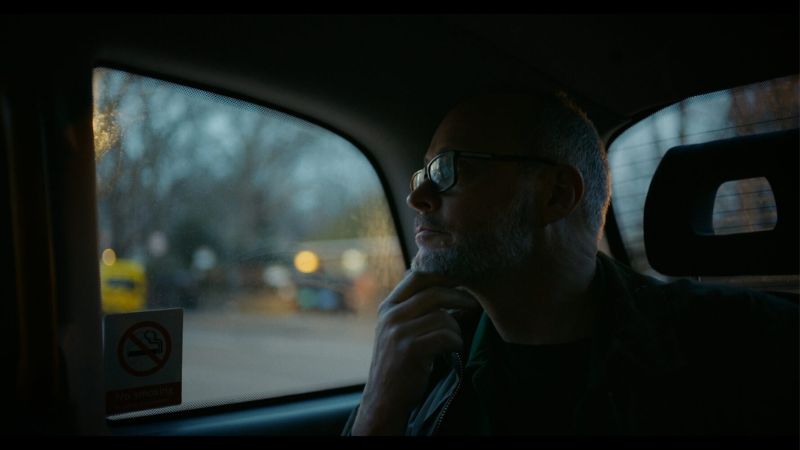
At the centre is Rob Moore, a former TV producer turned corporate investigator. Hired by K2 Intelligence, he posed as a journalist to spy on global anti-asbestos activists. For three years, he filed reports back to his employer, gathering information about campaigners while secretly wrestling with his conscience. Eventually, he claimed to switch sides, becoming a double agent in an effort to reveal the truth about the asbestos industry. However, Moore also continued to receive large paychecks, never fully letting go of the job that had compromised him in the first place.
The #asbestos background is essential, although the film only shows parts of it. Asbestos is banned or restricted in over 60 countries, yet production and trade continue widely. Most of the demand comes from Asia and Africa, where low-cost housing projects and lax regulations keep the market alive. Russia, Kazakhstan, and China remain key producers, while India has become the largest importer of these products. The World Health Organisation estimates that over 150,000 people (in the film, they say millions) die each year from asbestos-related diseases, though symptoms can take decades to develop. For low-income communities, asbestos-cement sheets and pipes remain the most affordable options for homes and schools. In other words, despite known dangers, the market stays strong, supported by powerful business and political interests.
This is the world Moore infiltrated. According to the film, he uncovered connections between Kazakhstan’s Kusto Group, led by oligarch Yerkin Tatishev, and asbestos mines in Russia, Kazakhstan, and Vietnam. There are accusations of bribes, shell companies in London used for money laundering, and a shadowy global network profiting from an industry that should have been shut down long ago. It’s a story of #corruption on a scale that requires real journalistic effort. And that’s where things get complicated.
Can someone with dirty hands ever be a whistleblower?
The investigation
Two investigative journalists, Ceri Thomas and Alexi Mostrous, end up working on the same story for a Tortoise Media podcast. Initially, Bustnes worries that they are stealing his material, but he then realises they can do the investigative work for him. He decides to document their progress, hoping that their journalistic diligence will strengthen the story. Instead, multiple storylines become tangled. Mostrous quickly falls out with Moore and shifts focus to investigating Moore’s own actions as a double agent rather than following the asbestos money trail. Possibly because building a strong case against Tatishev seemed nearly impossible, Moore unknowingly becomes the investigation’s main subject.
Håvard Bustnes, meanwhile, turned the camera on Moore, the external journalist, and their tense relationship. The film shifted from corruption to questions of trust, betrayal, and control over the story. At one point, Moore snaps at the director, calling him a «parasite» for focusing on filming rather than chasing oligarchs. I sympathise with Moore: after seven years of work, we still aren’t presented with the kind of evidence you’d expect from a serious exposé.
Messy realtities
When Håvard Bustnes finally takes control by hiring outside investigators, the movie begins to move forward. It’s unfortunate that this happens almost at the end of the film, with only ten minutes remaining. New evidence shows that Tatishev is truly connected to asbestos operations, that shell companies in London enable the trade, and that Western governments have long overlooked money laundering. This could have been explosive—evidence of how Russian oligarchs and their allies support illegal industries with help from London’s financial system. Instead of a strong exposé, the film feels like a fragmented collection of case file snippets.
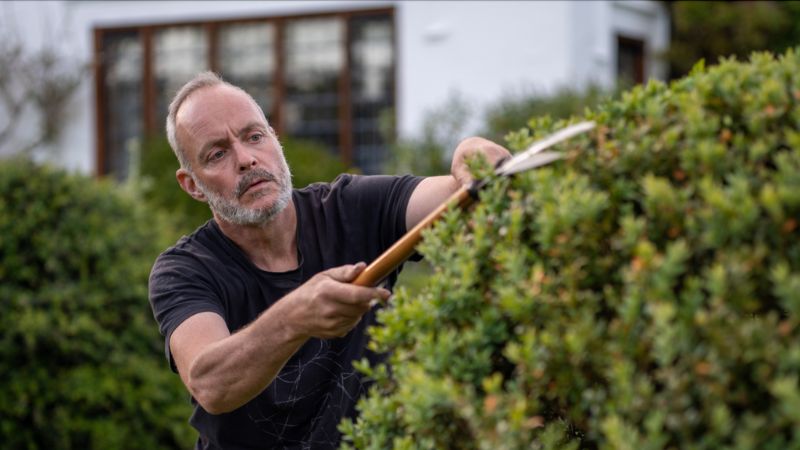
What The Gardener, the Buddhist & the Spy succeeds at is showing the messy reality of investigative journalistic work. Moore is no hero. Even after his supposed change of heart, he continued to send reports that may have endangered activists. He lived off the money of the very company he was betraying. His Buddhist leanings and activist persona clash with his role as a well-paid spy, and the contradiction remains unresolved. The film raises uncomfortable questions: Can someone with dirty hands ever be a whistleblower?
The director also becomes part of that moral dilemma. By focusing so much on his doubts about Moore, he exposes the fine line between filmmaker and journalist. A documentarian isn’t an investigator in the legal sense, yet Bustnes frames his film like one without fully committing. Instead of clarity, we get a hall of mirrors: Moore doubts Bustnes, Bustnes doubts Moore, and the audience is left doubting both of them.
The real tragedy is that the asbestos story itself—the corruption, the deaths, the corporate negligence—remains underexplored. We see its urgency, but leave without a clear understanding. Western governments could crack down on the London-based shell companies that enable oligarchs, but they don’t. Emerging economies continue to import cheap asbestos materials, including for schools, because alternatives are more expensive. And families across #Asia and #Africa continue to pay the price in slow, invisible deaths.
Despite its flaws, The Gardener, the Buddhist & the Spy stays in my mind. What we really learn from this film is how much money corporations are willing to spend to infiltrate environmental groups. That in itself says something: they wouldn’t go to such lengths if these groups weren’t a real threat. Ecological #activism clearly plays a much more important role in the corporate world than most of us think. And maybe that’s the unintended message of The Gardener, the Buddhist & the Spy — not just that corruption thrives in the shadows, but that the people trying to fight it matter enough to be spied on.