

-

The anatomy of neo-nationalist misogyny
JAPAN: Miki Dezaki set out to understand why a network of powerful people find it so important to shut up the women who demand justice for the sexual labour they were coerced into during WWII.
-
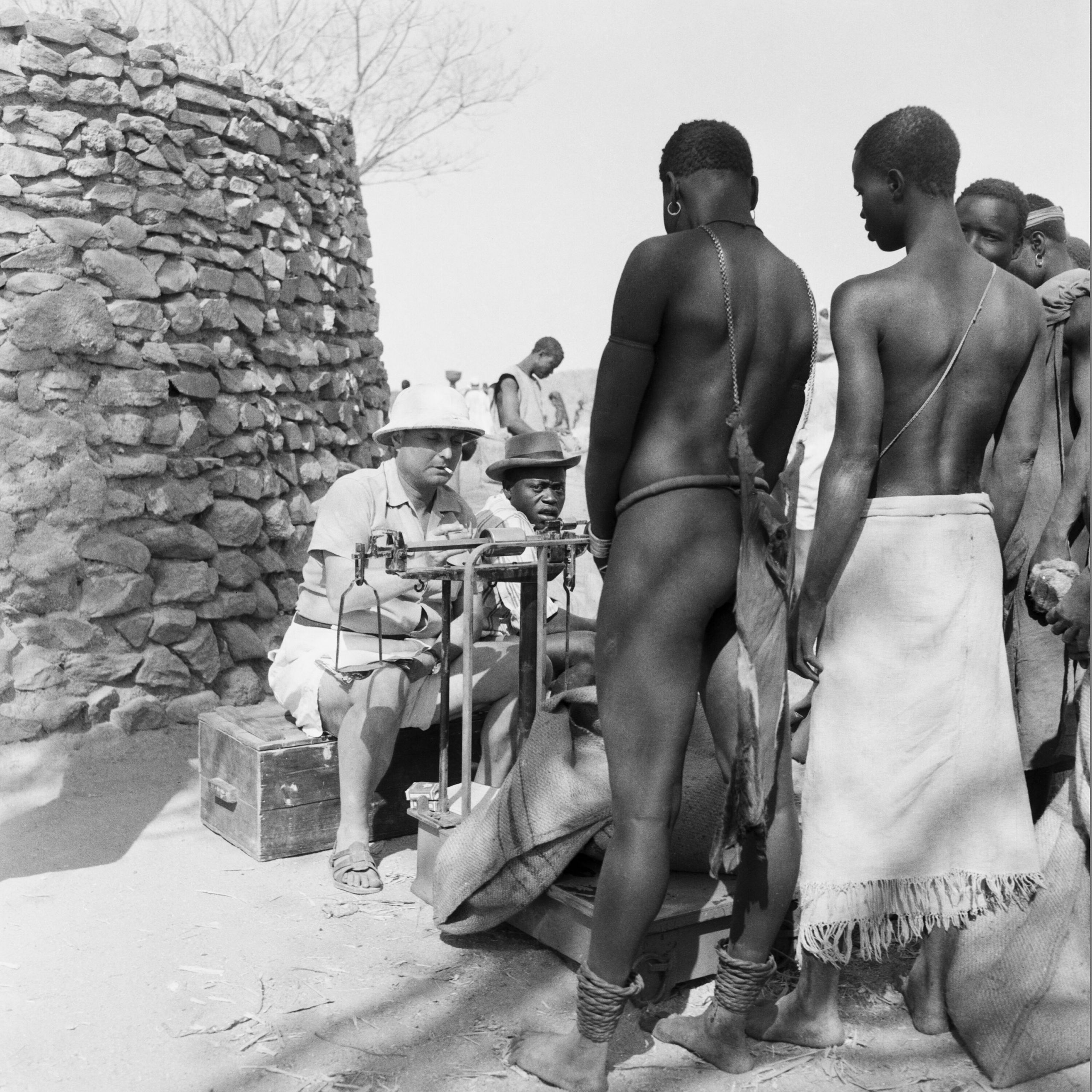
Colonial voyeurism revisited
COLONIALISM: It is hard to tell if the archival documentary African Mirror is a rehabilitation of a colonial mind, a critique of colonialism or a piece of essayistic nostalgia over the colonial gaze. Probably it is a mix, and as such, nothing new.
-
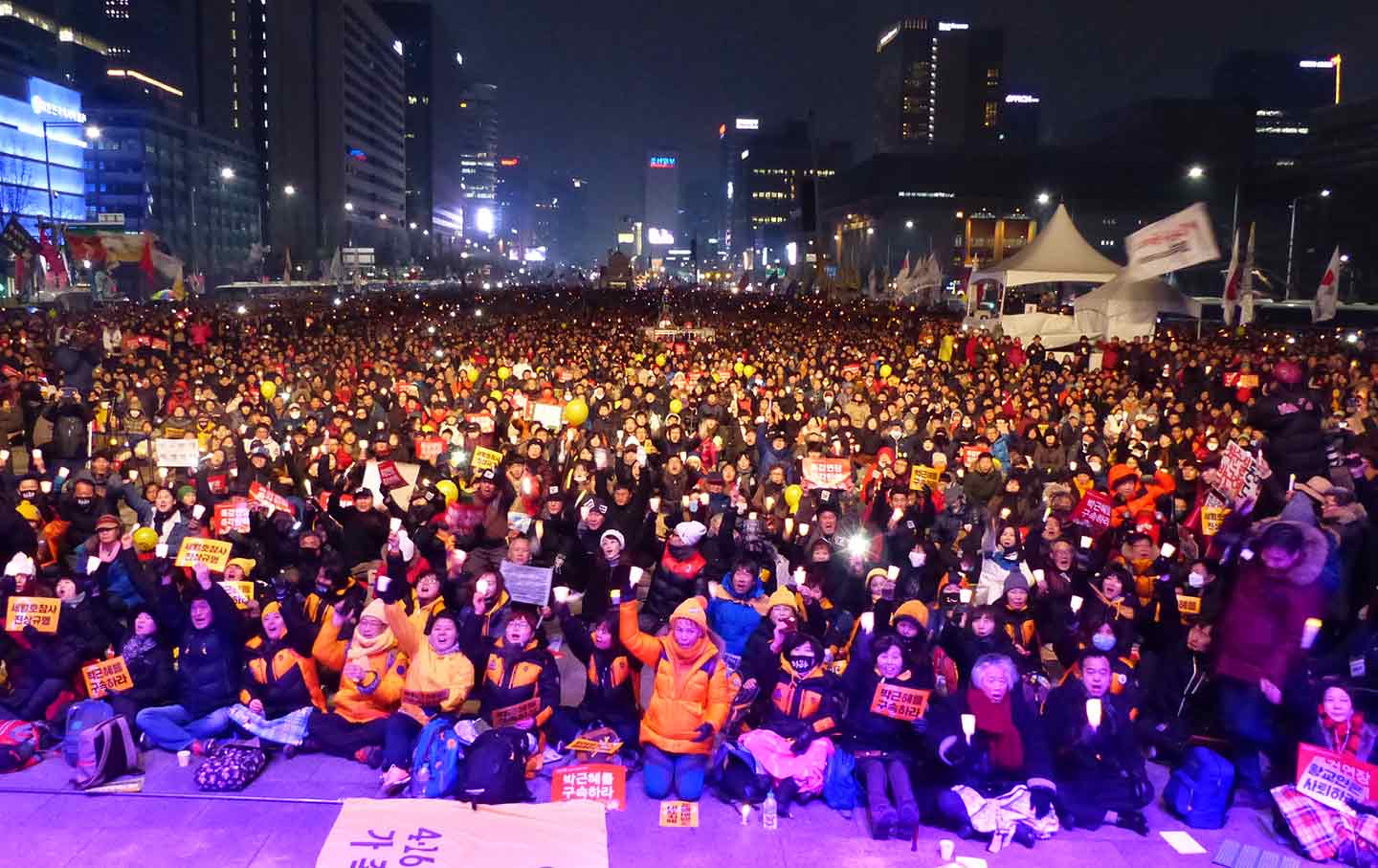
Taking down a regime
South Korean citizens made history when – armed with lighted candles and demands of justice – they brought down president Park Geun-hye and her conservative party in 2017. Director Nungcool and her crew documented the experience.
-

Archival disaster tourism
The archival footage from a court action against leading scientists in the Soviet Union of 1930 has been reconfigured into a narrative drama, which leads today‘s audience to believe the opposite of contemporary spectators.
-

The death of (representative) politics
Two Italian women look back at a decade of representative politics fighting for women’s rights in the (post) Berlusconi era. Amused, dispirited, annoyed, and anguished they assess how much – or how little – they managed to change.
-
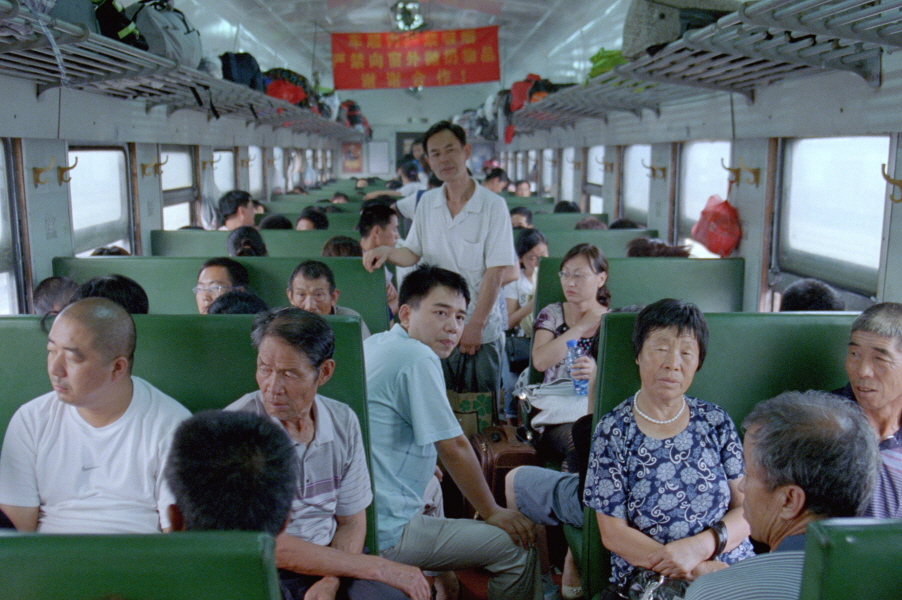
Cinematic portrait painting of today’s China
Award-winning film director Wang Xiaoshuai returns to his home country, capturing an eclectic portrait of modern China.
-

Betrayal and revolt
Michael Moore’s new documentary Fahrenheit 11/9 portrays the gloom of America under Trump and announces the coming insurrection
-

The diaspora as a vantage point to modern China
From the mid 19th century to the mid 20th century more than 20 million people migrated out of China. Shelly Chan analyses the emergence of China as a nation state from the vantage point of the Chinese diaspora around the world.
-
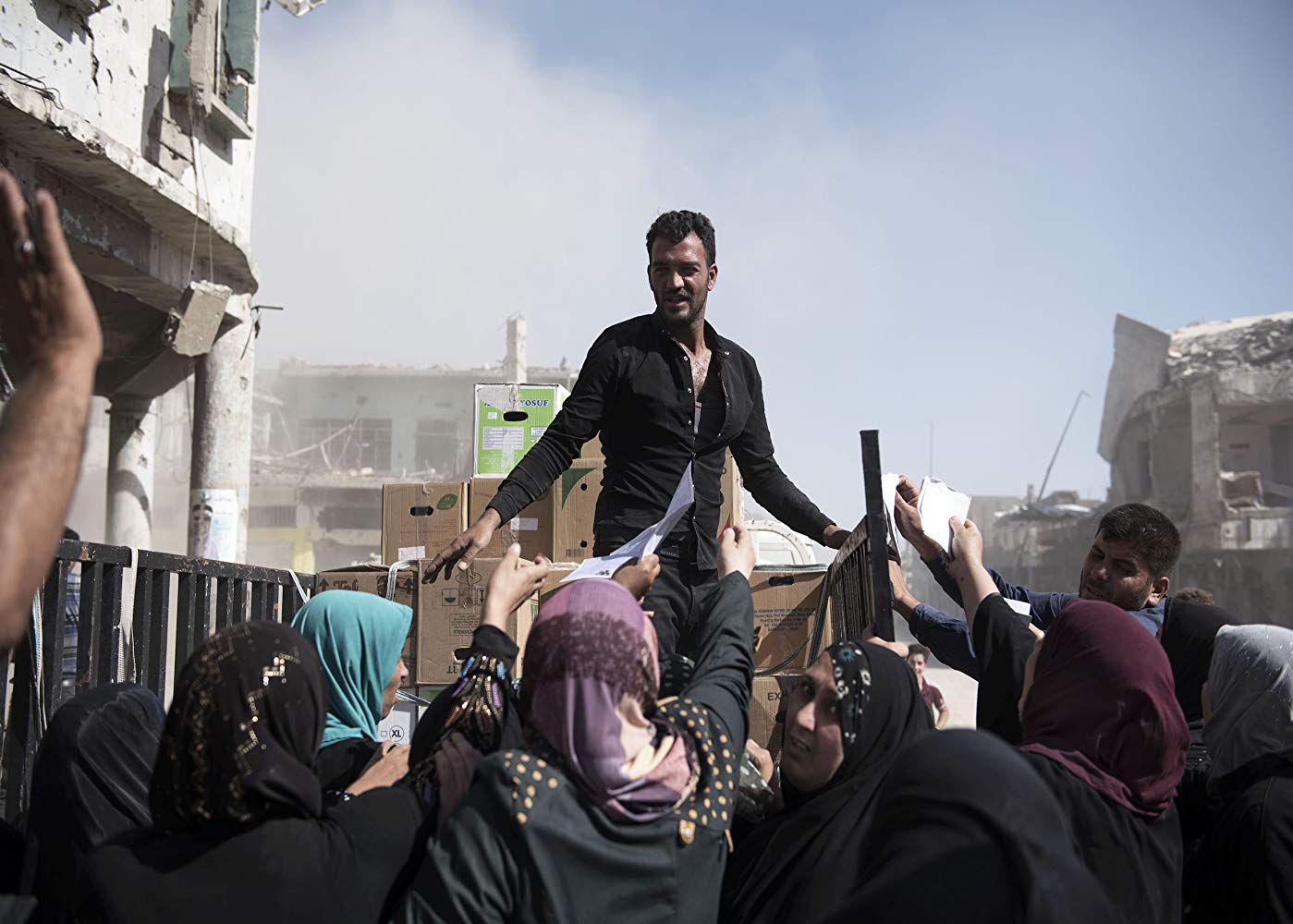
What was lost in the battle of Mosul
The hard times in Mosul are not over. The city that lived three years under Isis is now faced with a destructed infrastructure – on both a physical and social level.