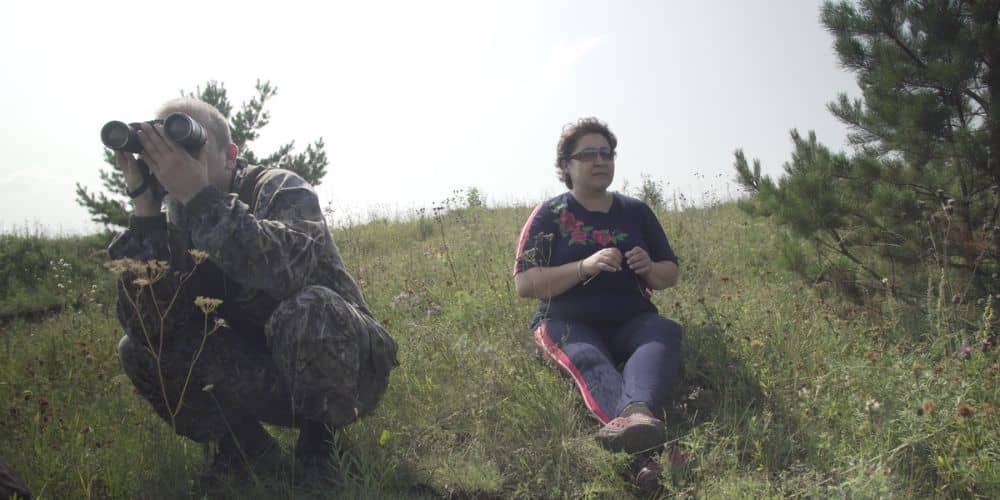
Gripping and blood-chilling, Black Snow, a documentary film debut of Alina Simone, sketches an insightful and multidimensional picture of today’s Russia as experienced by its ordinary citizens, who live seemingly on the outskirts of big political interests. The small Siberian city of #Kiselyovsk, located in the centre of a coal-rich region, is seen through the eyes of #Natalia Zubkova#, a mother of three children, two of whom were born with severe kidney problems. Within just three years, between 2019-22, Natalia learns that asking inconvenient questions is dangerous and threatening and, as a woman in a conservative Russian society, that the personal is political.
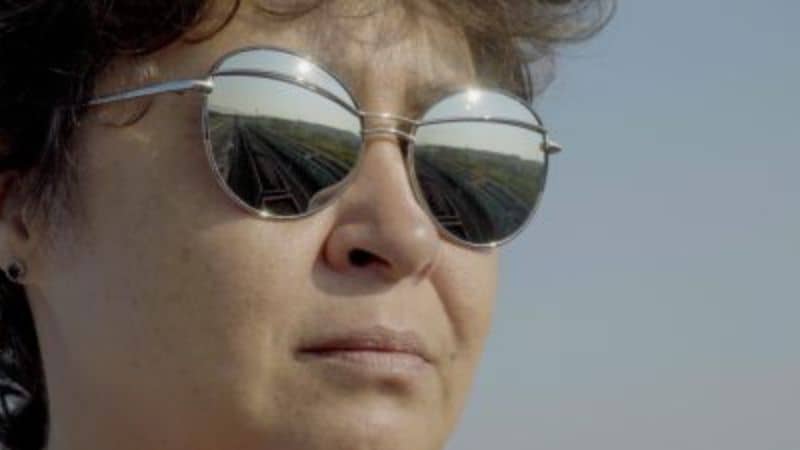
Warm water
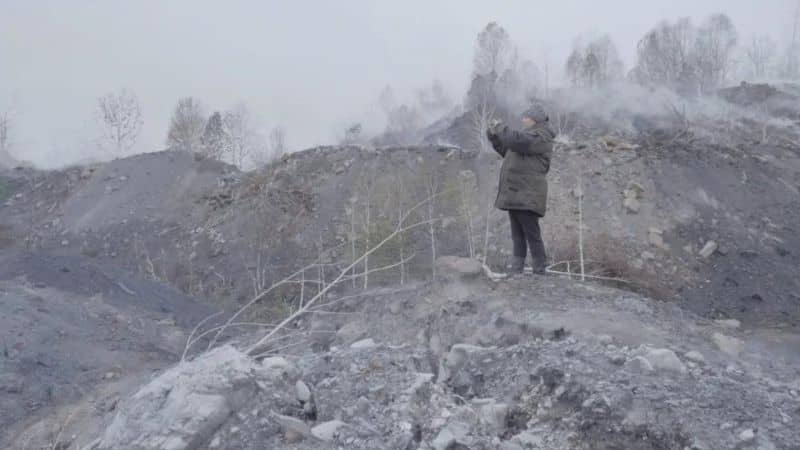
Natalia’s story of rising environmental consciousness and activist #journalism starts with the water she was using in her household and the health problems caused by surrounding the city, massive open coal pit mines that have been the root of many natural anomalies, like the worms in drinking water or black snow, among others. #Coal is everywhere here—in air and water, in people’s minds as a basic source of income and overwhelming #pollution, and in politics and enforcement that reach out to the #Kremlin, keenly watching this one of the main means of sustenance for the whole country. In such circumstances, the protests of local people complaining about rapidly deteriorating water and air quality or toxic gases reaching their houses from underground are being neglected, silenced, blocked, or distorted and manipulated with blatant lies. In any case, the growing desperation of local people suffering serious negative consequences of long-term, direct exposure to coal is being ignored as the local politicians pretend to look into the matter.
Frustrated by the lack of reaction and a rosy official picture of the situation painted in local media, Natalia Zubkova starts observing and documenting the world and events around her by shooting films on her old smartphone and posting them on the net. Her citizen journalism gradually evolves from themes of water and air to meetings and talks with protesters in neighbouring villages, suffering from much more dangerous and life-threatening underground fires devouring empty spaces left in inadequately secured, abandoned, old underground mines. Their plight also does not change the reaction of authorities, who not only do not admit the problem but, worse, do not do anything to stop the fires raging underground. It is then that despaired residents record an appeal to #Justin Trudeau# asking for environmental refugee status in #Canada, which goes viral around the world.
Coal is everywhere here
Not expected
Certainly, this is not what Russian authorities expect from their citizens… They start paying attention not to how to resolve the residents’ environmental problems (as this would be too costly) but to who is protesting and who is the most vocal among them. Slowly, they implement their standard procedure of coercing, as we know so well from thousands of other reports and cases: It starts with a phone call from a distant «friend; a good man» candidly advising that the police are watching, then comes the unmarked cars following a «suspect» vehicle everywhere, stops by certain «officials from a bureau» in the middle of the road asking to come with them as they have some questions regarding the «suspected activity,» SMS and email messages with threats and warnings, and the relentless and ruthless smearing campaign on a local internet site. A «suspect» gradually feels increasingly hemmed, cornered, and scared while the people around them distance themselves out of fear that they, too, might become a target. It is a conscious, planned campaign, straight from the FSB elementary, that here is directed against Natalia Zubkova as the one filming and publicizing the environmental problems. Her life is becoming more and more difficult and terrifying, up to the point of death threats to her and her children and news about a torture specialist coming in from #Moscow. Calls to the police and #FSB are left without an answer, and Natalia is forced to leave the city to save her and the children’s lives.
Political thriller
Black Snow is structured like a political thriller, engaging a viewer in a dynamic, emotional, and tense personal history that sheds light on many levels of today’s Russian society. In a clever, informed, and well-documented way, it builds the case upon extensive coverage and conversations with residents, officials, bureaucrats, and even the unofficial power militias. All these exchanges, sometimes in the form of muffled hints and allusions, create a dramatic narrative full of unexpected turns of events that reveal unofficial, hidden, yet stern, and firm mechanisms by which the current Russian society operates. Many of them come from a long tradition of #totalitarian states, only slightly outwardly modified by the rules of «democracy.» Others seem to be a new addition, an «innovation» of Russia ruled by strongmen of the current century who know each other and keep guard, spreading fear and trembling.
Told mainly from a first-person perspective, the film also discreetly observes the differences in treating men and women and what society expects from them. As such, it outlines a portrait of a brave woman and a price she and her family pay for trying to secure a basic, required by the existing law, environmental protection for the region and its people. Although environmental activism is one of the most dangerous activities on planet Earth these days (the Global Witness report released in late 2022 documented over 1700 deaths of environmental activists around the world during the last decade), the situation in Russia seems to be additionally marred by state power and its inherent inability to listen to and act on signals coming from the people. Environmental consciousness is still a concept unheard of in reality by the country’s rulers and is considered a waste of time and resources; apparently, for them, thinking about the basic quality of water they drink and air they breathe in is «unmanly» and, by extension, «un-Russian.»