Although Bottled Songs 1-4, a collaboration between Chloé Galibert-Laîné in France, and Kevin B. Lee in America, is heavy on artistic and cinematographic analysis, its ability to shock remains undimmed. An analysis of two videos shot by Islamic terrorist organization #ISIS (otherwise known as Daesh) and their relationship with classic Western propaganda films of the 20th century – including Leni Reifenshahl’s 1935 #Nazi hagiography Triumph of the Will and Joris Iven’s 1937 anti-fascist film The Spanish Earth – it contains disturbing triumphal footage shot by ISIS gunmen that includes the slaughter of innocent prisoners.

A detective story
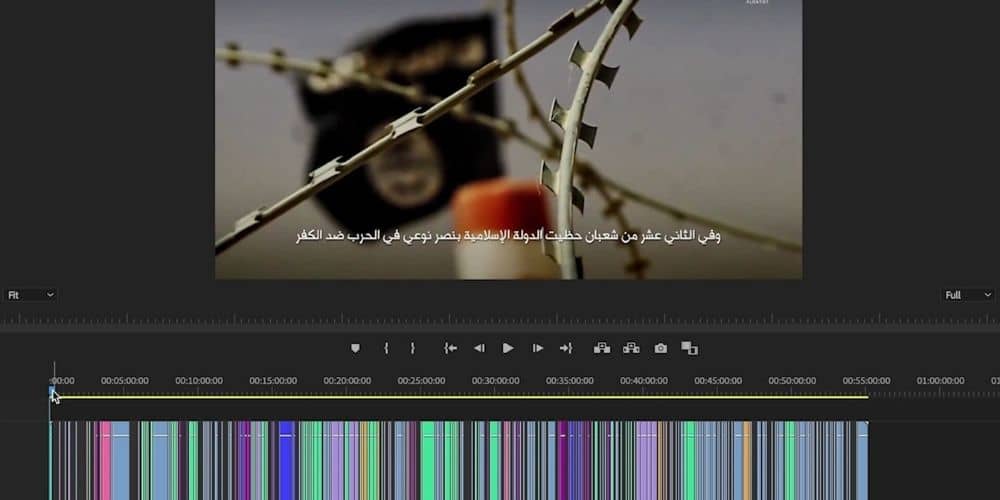
Arranged into four chapters and using footage from ISIS videos (including a 52-minute ‘feature’ Flames of War released in 2014 that now can only be found via the Internet’s #Darknet), classic propaganda, news channels, and real-time screenshots of the directors’ transatlantic online messaging, Bottled Songs 1-4 is as much a film school-style study of how to manipulate through images as a detective story on who – and why – shot the videos.
It opens with Chloé’s letter to Kevin about a video she found dated August 28, 2014, on Les Observateurs, the citizen journalism site of French-state-backed international television network, France 24. The video depicts the humiliation and murder of 250 Syrian prisoners of war marched wearing only their underwear to their mass execution by jubilantly ginning ISIS gunmen. It is set to music and choreographed for maximum effect.
Chloé is both shocked by the content and the fact that it remains online courtesy of a respected international news outfit – although many other copies of the video have been removed from #YouTube on the grounds of offending the viewing public.
Bottled Songs 1-4 is as much a film school-style study of how to manipulate through images as a detective story on who – and why – shot the videos.
Chapters 1 & 2
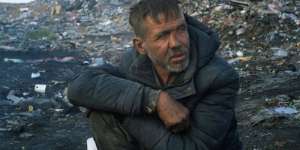
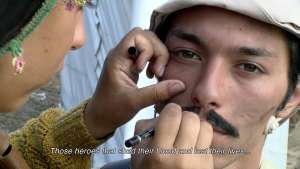
She becomes obsessed with the video and, in particular, the main cameraman, who at one point turns the camera to himself to reveal a quixotic look she finds hard to pin down. As she continues her research into French language video material about ISIS, Chloé eventually identifies the cameraman as an Abu Abda Llah Guitone, also known as Abu Tamima, finding copious photos of him and a grisly mobile phone video where he takes $3,000 in $100 bills from the pocket of a dead enemy fighter, the sound of swarming flies all too evident in her carefully edited sequence. (Readers may not care to, but it is possible to find the full nearly minute-long video via a simple Internet search.)
Chloé never gets to the bottom of Abu Abda’s true identity – whether he was French-born or from #North Africa# – but establishes he is dead (photos apparently show him dead from battle wounds) and finds offensive posts from a German right-wing blogger suggesting that in hell he is now being sodomised by 70 virgin men. Hatred is not the preserve of Islamic terrorists, she suggests.
Kevin’s examination of Flames of War introduced in chapter 2, Looking into the Flames, is even more academic in its approach. Unwilling to expose himself to its horrors (summed up in a final sequence showing more Syrian prisoners forced to dig their own graves before summary execution), he conducts a scene-by-scene analysis, noting contents such as “53 shots of battle; 27 shots of rockets.” He refutes Western media coverage of the release of the film’s 2-minute Hollywood-style trailer (strangely they failed to cover the release of the full film a few days later) as aping Triumph of the Will via the same technique – that film is mostly made up of shots of Hitler and parades of the SS
But as he watches the film and how it celebrates artillery explosions and the firing of weapons, the faces of men about to face death, he is disturbed to find clear parallels with Ivens’ film shot to celebrate and support the anti-fascists during the Spanish Civil War. It was this 1937 film that set the tone for all war documentaries to follow, he realises, and ISIS film producers have apparently taken note.
Chapters 3 & 4
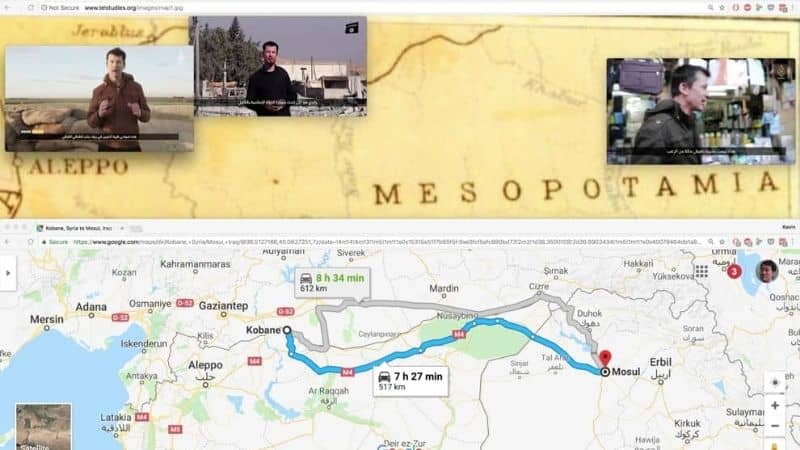
Wrapping up with Chloé’s further investigations into Abu Abda and Kevin’s look at the fate of a British journalist #John Cantlie#, who was taken hostage by ISIS and later became the frontman for its English-language propaganda news videos (his fate is unclear, but there are reports he died in a coalition bombing raid or was executed), Bottled Songs 1-4 is very much an academic study of how ISIS co-opted Western film and media styles to spread its message of hate-filled #Jihad. As a contribution to that debate, it is worth watching for those who seek a greater understanding of how #visual media# can be manipulated to whatever ends its producers wish.
The directors invite comments and contributions to the debate via: [email protected]