
We are living in the age of #extinction. The average size of global wildlife populations has declined by 73% in 50 years. Nature is disappearing at an alarming rate, but sometimes, we must see it to believe it. Witnessing how terrible the state of affairs is is a political act.
Surprisingly, for the last 50 years, the decline of natural habitat has been alarmingly faster in Europe than in the USA. This year’s WWF report concludes that «EU consumption continues to be a significant driver of global biodiversity loss,» but during the 1970s, the situation was reversed. At that point, North America was the world’s most consuming region, associated with progress and #overconsumption, which also brought the smell of ecological destruction.
Public awareness
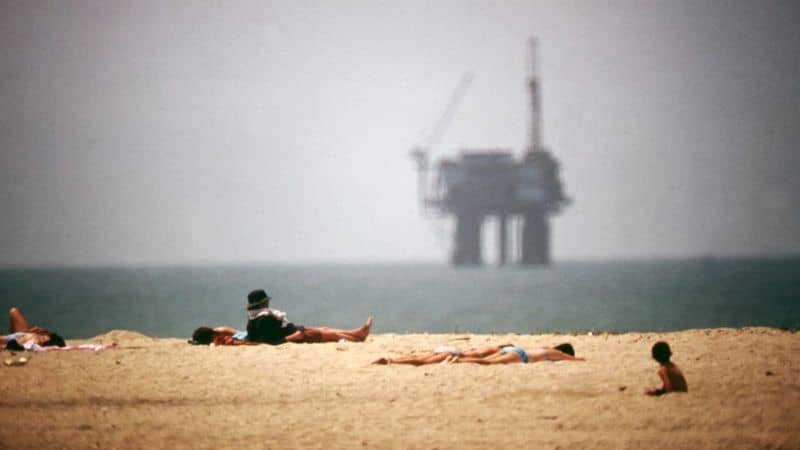
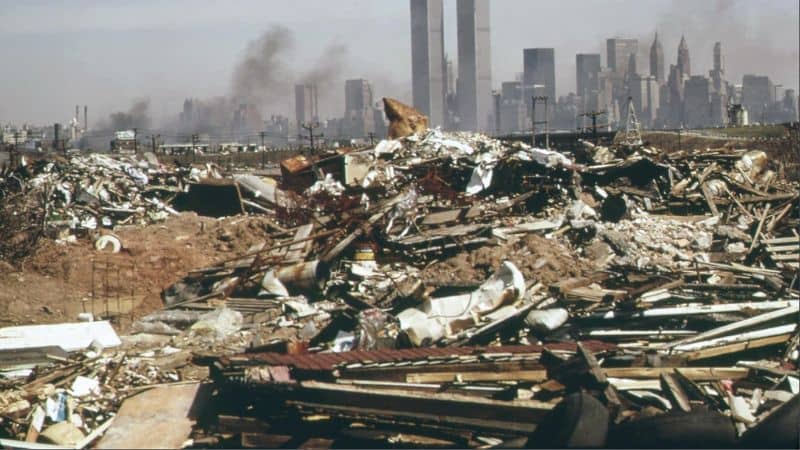
Documerica, Self-Portrait of a Nation on the Brink by Pierre-François Didek gives us a unique insight into the state of the environment of the USA during the early 1970s. The film also discloses how environmental protective policies came to be that, to this day, attempt to protect the environment. It was during the 1960s that the public became aware of the ecological disasters the USA was facing. The Cuyahoga River caught fire from all the #petroleum products being dumped into it. The photos of a river bursting into flame were a potent image that immediately indicated the state of affairs. Then, the oil spills in Santa Barbara, California, caused ripples in the society of the rich because this was the beach where they would typically enjoy their vacation. Thousands of sea birds soaked in oil became a disturbing image often seen in the news.
There seemed to be no technical solution to reverse the ecological disaster, and American policymakers felt pressured. Surprisingly, compared to today’s standards, policymakers agreed that immediate action was needed to conserve humanity’s livelihood. The Republican president, #Richard Nixon#, appealed to Congress, «Should we surrender to our surroundings or make peace with our nature and begin to make reparations for the damage we have done to our air, land, or water?»
The average size of global wildlife populations has declined by 73% in 50 years.
Documerica
With the support of both political parties, Nixon established the Environmental Protection Agency (EPA) and passed several environmental acts that are the only efficient protective measures we have today in the USA. The EPA decided to make a composite of documentation showing the degradation of the environment, and they named this project Documerica. Just like the Farm Security Administration had photo-documented poverty, despair, and ecological disaster of the Dust Bowls during the #Great Depression# in the 1930s, Documerica was going to capture a nation on the brink of environmental disaster in 1970. However, while the photos from the Great Depression became legendary, the Documerica project was archived and seemingly forgotten for over fifty years until Pierre-François Didek opened their archives by making this film. The photographs are astonishing, showing the dire ecological situation and the social aspects of environmental degradation. The collected images shattered the myth of unlimited nature. No nature was left where humans had not intervened.
The mission was to document an incredible transformation in the landscape and portray the human conditions caused by environmental issues. The photographers knew they had to combine the image of a person with the pollution to give the public a subject they could relate to. In this way, the project became a social study, capturing the landscape’s political and social circumstances. In one series of images, poor children swim in the waters of industrial waste with the worst environmental pollution and trash in their near background. It became apparent that people suffering the most from #pollution problems also live in poverty. Documerica portrays the overconsumerism at its height. The thought of purchasing one’s way into happiness was visible in everything, including the trash left behind.
The Documerica project ended abruptly in 1973 with the #oil crisis#. America’s economy went into a recession, and the funding abruptly stopped. The surviving photographs demonstrate that the project never received the exposure it deserved. Some believed Washington wanted to avoid projecting these images to the public altogether. Others think a good picture editor was missing from the start, and the project lacked direction. A personal story was needed for the pictures to make complete sense, but the magazines were declining as Television became the primary source of information. One expert ponders that perhaps the climate crises we face today could have been prevented if the photography project had been better promoted then. It is hard to believe that these photographs did not pass through the policymakers and did not play a hand in persuading them to take action. Hence, the collective unity among the politicians that environmental acts needed to be passed. I believe that this is also why the USA is doing better than others when protecting their natural habitat, and still, it is not enough.
Bewildering incompetence
As we approach the «irreversible tipping point,» maybe we should create a similar photographic project to document the depletion of natural habitats as it is happening in our backyard. Trees are being cut down everywhere, and fields turn into massive warehouses. We are depleting our natural habitat piece by piece every day. Monitoring the state of affairs is always the first step in a healing process. This is the time to act, look, see, and acknowledge that saving the planet is not about fighting for abstract numbers. It is about restoring the nature right where we live. If we cannot reverse our race towards self-destruction, at least we will have documentation of our damages, which future generations can study in bewilderment at our incompetence.
Documerica, Self-Portrait of a Nation on the Brink screens its Czech Premiere at the 2024 Ji.hlava IDFF