A cinematography with a history reaching back to the early years of film media. Films that have the power to engage the imagination and emotions of audiences all over the world, with directors that are regular guests at major film festivals, and the only cinematography of the Global South with a record of producing some of the world’s best – this is cinematography of the Islamic Republic of Iran.
Audiences, fascinated with Iranian feature films, are no doubt also curious about Iranian documentary films.
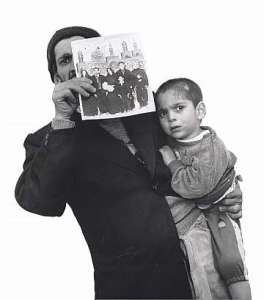
What about their documentary films? Audiences, fascinated with Iranian feature films, are no doubt also curious about Iranian documentary films. This year’s documentary festival Dok Leipzig will present a large selection of contemporary Iranian documentary cinema. In addition to Family Relations by #Nasser Zamiri#, which is part of the Dok Leipzig International Competition where it will have its world premiere, other selected films also demonstrate the power to challenge the viewer’s mind, engage, and fascinate.
Exodus by #Bahman Kiarostami#, a son of the legendary Abbas, provides a close-up look at the illegal migrants to Iran from Afghanistan at a return centre in Tehran. After the US sanctions against Iran in 2018 caused the collapse of the Rial, their hard work is no longer worth the effort and now they are waiting in line to be taken back to Afghanistan. The film portrays them as they face, one by one, the Iranian officials. This minimalist conceptual approach underlines the universality of contemporary surveillance techniques and shows the absurdity of their capacity to strengthen the grip over freedom, the grip in which the state laws and divine laws merge.

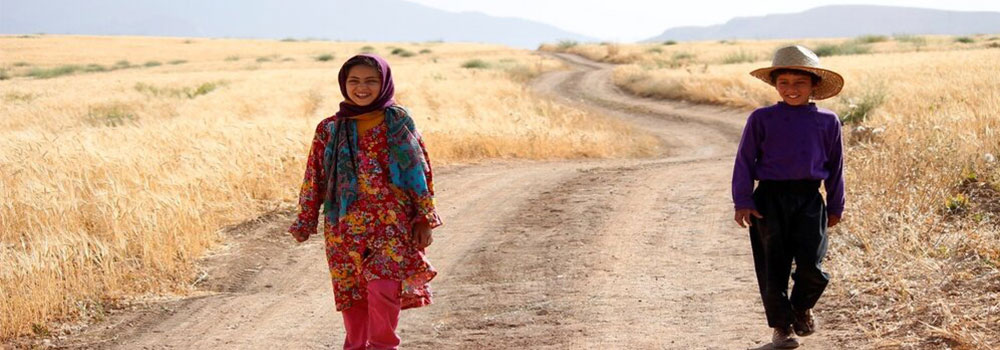
Another aspect of humanity and love is explored in the short film #Asho# by #Jafar Nafaji#, also in Dok Leipzig International Competition, about a kid shepherd Asho, «the Eagle» in English, who is safeguarding the sheep, watching films on a tablet and dreaming of becoming an actor. Skillfully, this idealised rural portrait brings up the human rights issue of forced marriage with quite unexpected turns. In a globalised world, in which a shepherd carries a tablet instead of a stick, rural tradition and urban media culture mix into novel cultural flows: a girl who was promised to Asho as a bride as soon as she was born, is dancing and singing the name of Emma Stone, worried that cinema will take her future husband away. The products of media culture are taken up, transformed and reused in various ways across the globe, and the film Asho shows how easily it happens that globalised media culture further enforces social practices that are considered non-acceptable within the culture that initially produced them.