The region’s political situation makes Moldova a place of special attention, as it lies at the crossroads of several long-established traditions and ways of thinking. Bordering Ukraine and Romania, and with Russia holding vested interests, the country struggles politically between its Soviet past and its strong family ties to Romania with its EU membership. The current situation adds a specific tension to Raisa Răzmeriță’s fluently edited documentary debut Electing Ms Santa, in competition at the Sarajevo Film Festival, which centres on the behind-the-scenes of local elections in a small Moldovan village.
 Electing Ms Santa, a film by Raisa Răzmeriță
Charisma
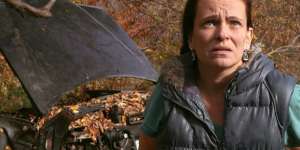
The film’s charismatic protagonist, Elena, is a natural-born social activist who supports those in need, helps solve community problems with the municipality, and regularly visits villagers as Santa to bring sweets during Christmas. She works diligently on her farm, where she lives with her mother and two almost-grown-up children, and, at the film’s beginning, she marries a kind and supportive man who knows what hard work means. Her dynamism and energy move everyone around – despite her impairment, she is an achiever who gets things done by gathering information, learning, contacting people, and taking advantage of opportunities wherever they appear.
Only 8% of respondents believe a mayor should be a woman, and 36% believe it should be a man.
Electing Ms Santa follows Elena with sympathy and understanding, observing several years of her life as she gradually realises the power of her social work and starts to think about rallying it into political activity. As she approaches elections, she tries to step out of the shadow of a long-serving mayor, but despite extensive preparation, she is discouraged by the seasoned political player’s sneaky comments and veiled threats. As a woman, she feels weak and fragile in a clash with the experienced political candidates, and the support from other women she gets seems to be insufficient to break the entrenched male rule. For the local community, though, male rule is not satisfactory, leaving most villagers frustrated by problems and shortcomings the village has suffered for years, with no end in sight. Over time, Elena gathers her courage and campaigns in the next elections, this time as a strong and capable rival.
Reclaiming rights
Elena’s story symbolises the recent widespread rise of women in Moldovan political life and the gendered nature of campaigning in the country. A recent study distributed by the UN Development Programme (UNDP) cited research on stereotypical representation associated with the mayor position in Moldova: only 8% of respondents believe a mayor should be a woman, and 36% believe it should be a man. Women also face covert and overt attacks, smearing campaigns, and disregard based on their gender, which adds additional weight to their prospects of active political life. Raisa Răzmeriță’s documentary draws strength from unobtrusive observation of the meandering course of Elena’s personal story, detailing the numerous struggles rural women face before they can openly take responsibility for their own work, which they have done earlier in the name of men. As the film swiftly and lightly shows, the process of reclaiming their right to self-determination has, however, already begun.