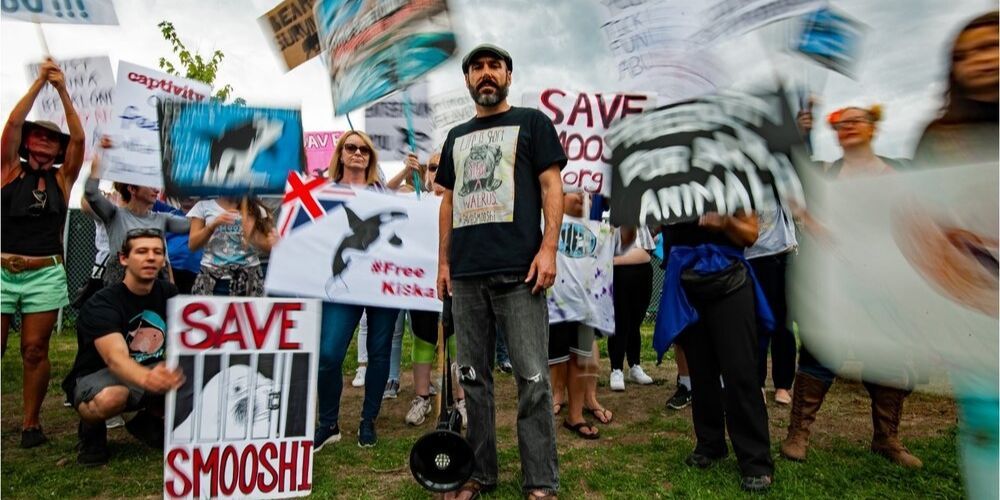
«Everyone loves Marineland.» This was the line of a catchy jingle advertising the famed #Niagara Falls# waterpark in #Canada Since it was opened in 1961, and few at the time saw any reason to contradict it. The keeping of marine animals in #captivity was assumed by the wider public, with little second thought or scrutiny, to be a humane form of grand entertainment for family outings. The park’s founder and owner John Holer, who had cut his teeth working as a #circus animal trainer in Europe, had become known as the «King of Niagara» due to his clout in the otherwise economically depressed region creating jobs and harnessing tourist dollars. But below the frothy media hype and wholesome reputation of #Marineland, life was far from fun and games for the orcas, belugas, and walruses upon which its shows depended. Director Nathalie Bibeau sets out the story in her documentary The Walrus and the Whistleblower, which was named audience favourite of this year’s online incarnation of #Hot Docs#.
The walrus whisperer
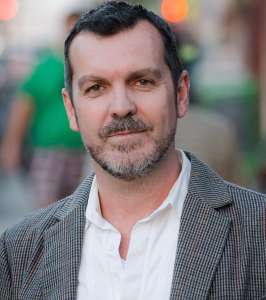
Ex-trainer Phil Demers called out malpractice and animal mistreatment at the park upon his resignation in 2012 after more than a decade there. He’d initially been paid only $6.45 per hour as an inexperienced trainer to swim with killer whales but had found it his dream job, and was a substitute mother to Smooshi, a performing walrus who he’d developed a close bond with after it was brought over from a Russian facility. However, as he describes it, he ran out of excuses to justify the cruelties that he was complicit in. Becoming a popular social media presence under the twitter handle «Walrus Whisperer» in his newly declared mission to save Smooshi, he was able to crowd-fund and mobilise support to take on the highly litigious waterpark, even as it tried to muzzle him and his former colleagues with lawsuits. While Marineland declined to cooperate in the making of the film, Demers is front and centre. He adds emotional texture to the much-reported story, and insight into the psychological shift that happens when an apolitical larrikin (the only kind of whistle-blowing he had done before investigative journalists applied the label to him was signaling to dolphins to fetch fish) has their conscience ignited enough by wrongdoing to prompt them to speak out.
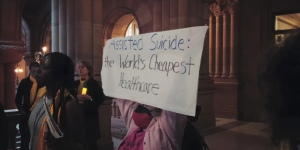
The protracted legal wrangle between Marineland and Demers was, on one level, a battle to control the narrative around the park and whether or not it was a force for good in the community, which coalesced with a much broader shift in values around the globe. #Animal rights# became less a radical, niche idea in the public’s perception (a handful of anti-speciesist activists had objected to the park, to little effect, since its inception) and went mainstream, as awareness grew of the catastrophic impact captivity has on marine mammals’ physical and mental wellbeing. Beyond public image and relations, ample distressing evidence in the form of video footage of suffering and emaciated captive creatures at Marineland makes it impossible to consider that the park could have any sound comeback argument, even as the rambunctious and scrappy posturing of Demers means he doesn’t adhere to a cliched model of humble resistance. Smooshi’s desperation to attach to Demers was a byproduct of the cruel manner in which calves are caught, as their real mothers are slaughtered and they are corralled and abducted. The boredom of life confined in pools is compounded by the detrimental effect of chlorinated water, which has at times been toxic enough at Marineland to cause chemical burns to the animals. Valium and human antidepressants inserted into fish have been fed to the mammals in an attempt to artificially perk them out of their misery. And that’s even before the exploitation and indignity of being coerced to do tricks. «All training is based on food deprivation — all of it,» we hear from whistle-blower ex-trainers (more than fifteen of whom eventually spoke out), contradicting management’s denials. A mass grave nearby holds the remains of the many mammals who prematurely died at the park. The financial temptation of $50 per head for 2,000-strong audiences was too strong, it’s argued, for the park to have prioritised even minimally responsible care.
life was far from fun and games for the orcas, belugas, and walruses upon which its shows depended.
Shifting Opinions
«Life is short, steal a walrus,» is a tweet by Demers that Marineland pounced on to support a $1.5-million lawsuit against him for allegedly plotting to steal Smooshi (they’d earlier sued him for supposedly «trespassing» at a protest). The delightful absurdity of the image of walrus robbery and the emotive story of a man living just a kilometre away from the park (with his partner, also an ex-Marineland trainer) and pining for the blubbery, adopted child separated from him by a self-serving corporate entity has bolstered the shift in public opinion toward support of marine mammal welfare at zoos. The Senate bill S-203 was finally passed, banning the capture and keeping of whales and porpoises in Canada for commercial purposes. Crucially for Phil and Smooshi, the captivity of walruses is still permitted — and his legal wrangles with Marineland go on.
Featured Image: Joseph Michel Gratton