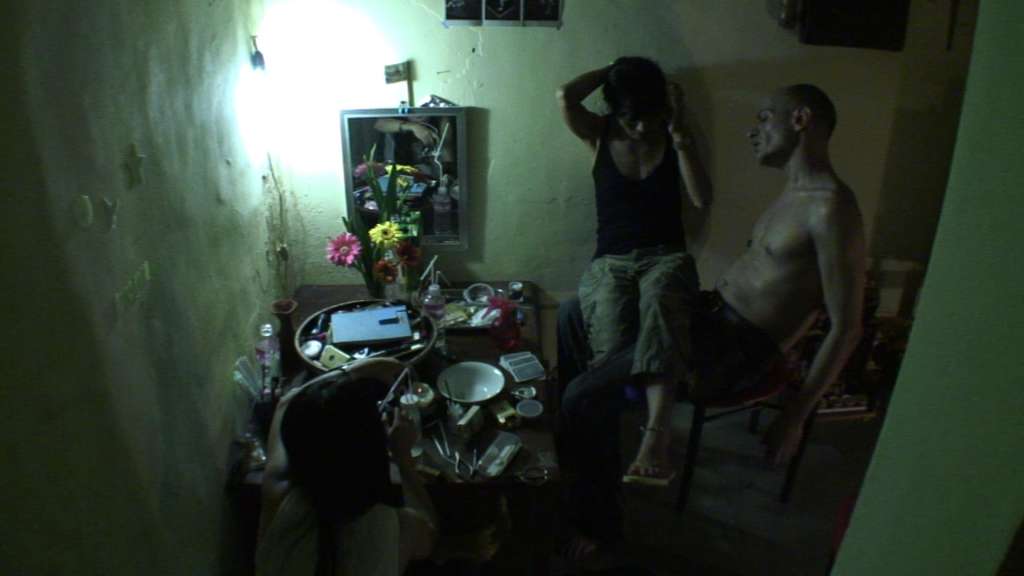
The heart of darkness
The Cambodian Room takes us into the uncompromising and claustrophobic world of D’Agata’s search for the intrinsically human.

The Cambodian Room takes us into the uncompromising and claustrophobic world of D’Agata’s search for the intrinsically human.
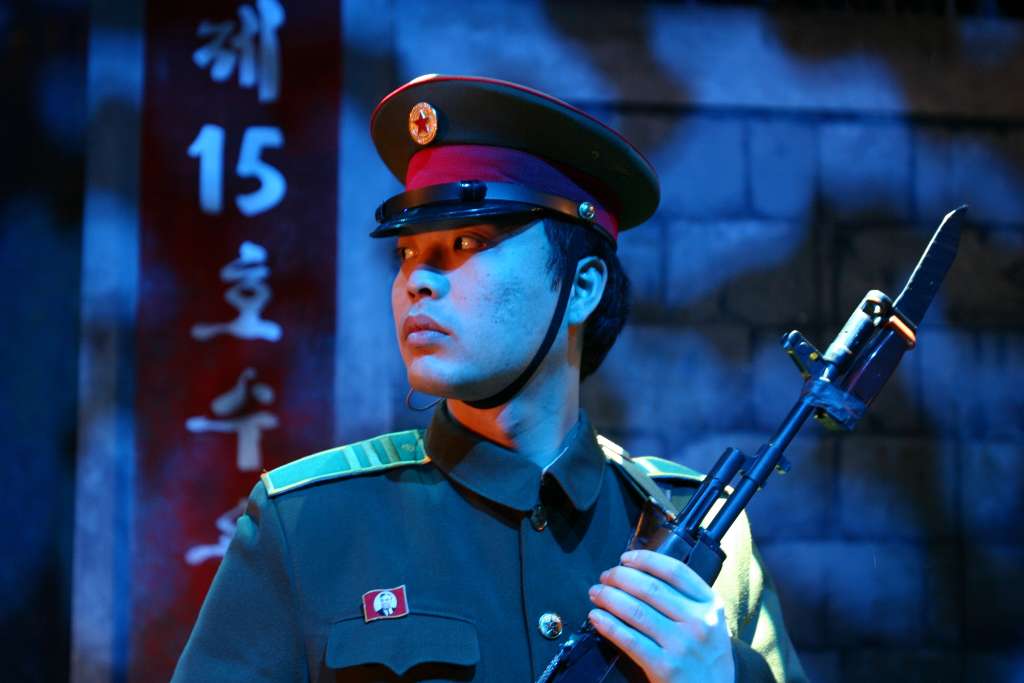
Tension escalates between North and South Korea after the torpedoing of a South Korean military ship in May. In North Korea, prison camps, murder, rape, gnawing starvation and freezing temperatures are all par for the course. How can the global community let such extreme oppression go on?
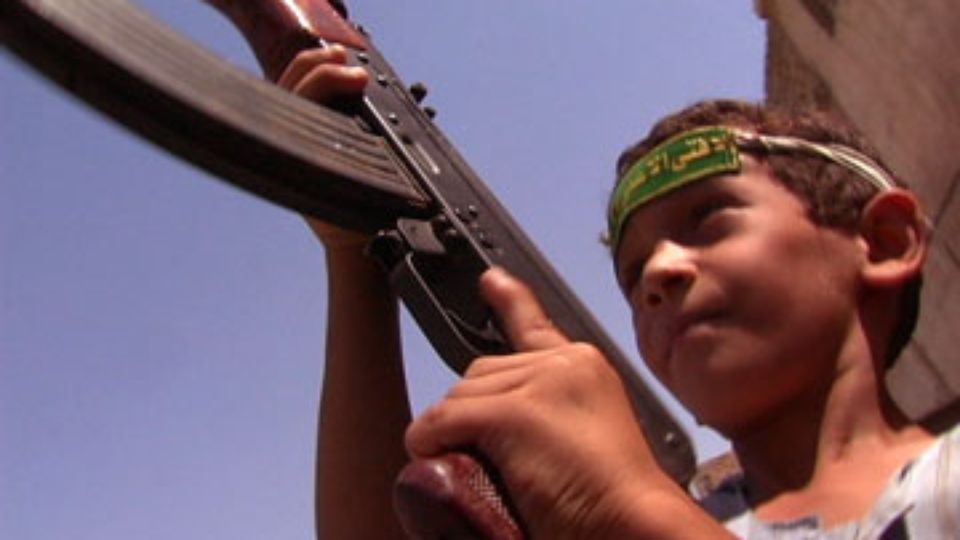
What are the ethical dilemmas of telling real stories in war time? And, to what extent will filmmakers go to tell those stories?
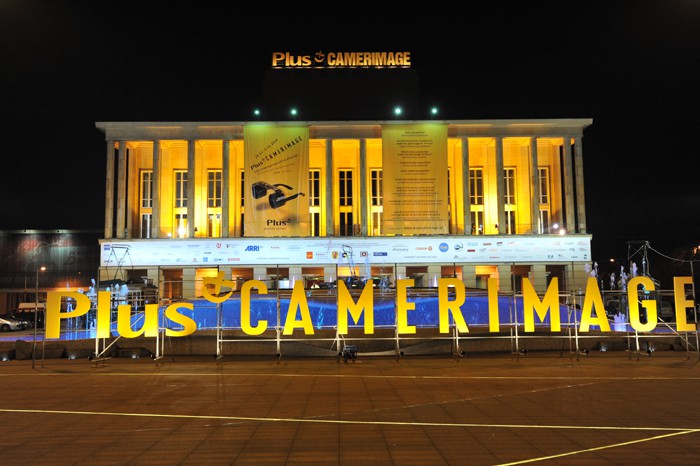
The Cinematography festival Camerimage in Poland in december is virtually the only one of its kind among the 370 lm festivals held worldwide. Both the festival and the town made a real impression. But where on Earth does our incurable urge to bear witness to a never-ending succession of images come from?

We are all obsessed with the universal law of morality. But in this film they make love without feelings; they cannot love; their power is to become their wound – one of the girls sees her actions as a slow death. But the film also turns the savage moments into a prayer.
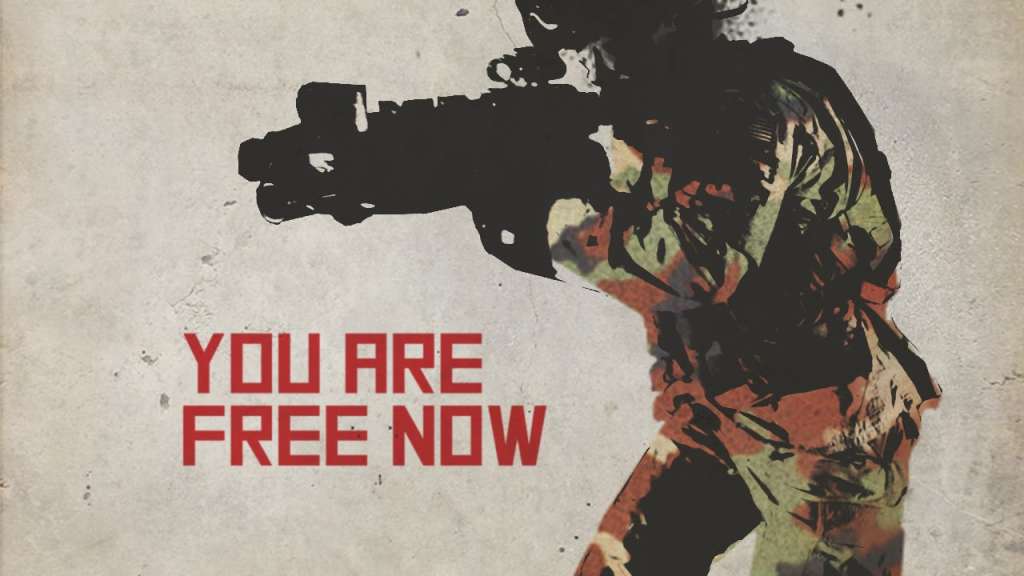
Is all the talk about ‘national priorities’ in the aftermath of hurricanes, coups, and wars, usually just a cover for the imposition of the of-the-shelf policies of neoliberal economics? And is the US response to Haiti following this same form?
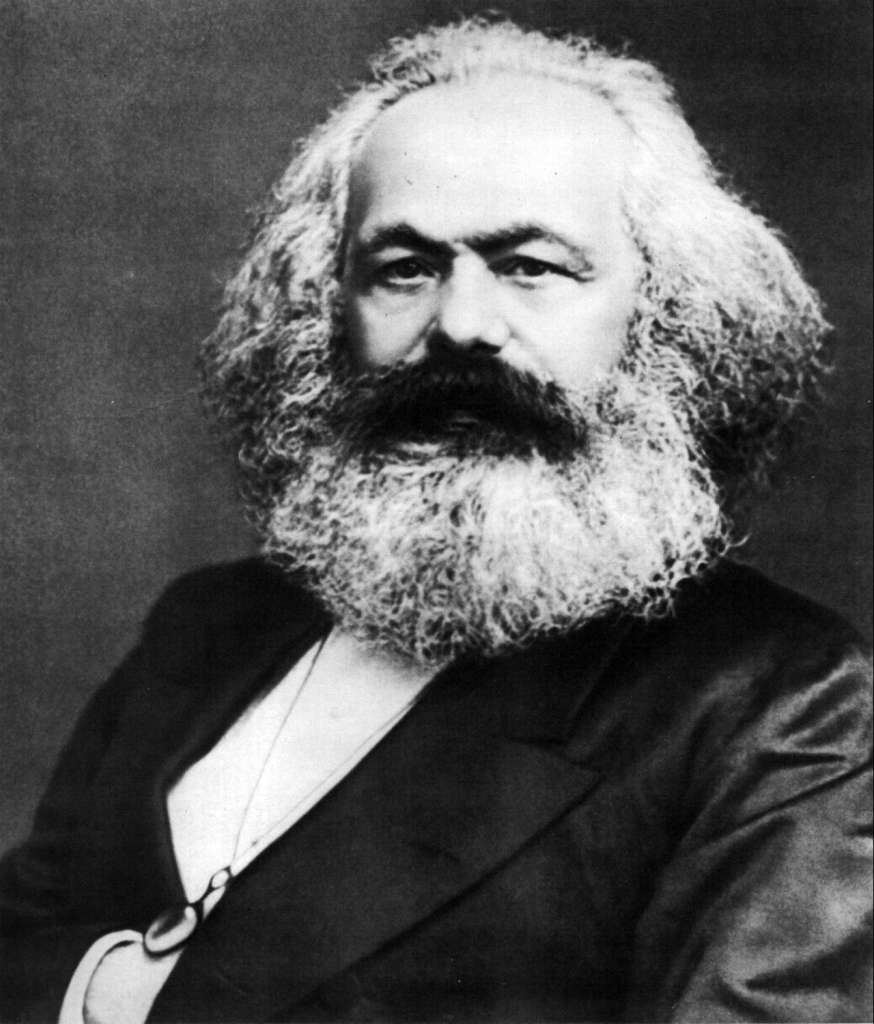
In the current period of global economic crisis, Kluge’s documentary can be seen as a toolbox for investigating what is happening to our modern lives. Marx is relevant because he was occupied by the forces extending our understanding of what it means to be real. But is cinema itself another form of capitalism?

Documentary’s effects span from long views of history to intimate life. A movie may rewrite the past through the present, or a documentary may modify perceptions of the mass media. The following soliloquies and monologues from this year’s IDFA provide a summary of documentary’s capacity, or inability, to enable change.
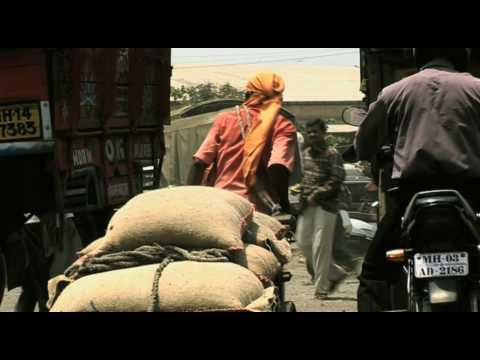
Over the past 10 years, more than 200,000 farmers in India have committed suicide. The current oligopolistic structure of international food trade has translated into sustained degradation of food security amongst nations, while bringing small-scale farmers to the brink of annihilation.