
TG4: MINORITY-LANGUAGE BROADCASTER: A Window for Embattled Languages
TG4, the Irish Gaelic language broadcaster, faces the same struggle for ratings that ‘normal’ broadcasters do, i.e. going for the least expensive programmes.

TG4, the Irish Gaelic language broadcaster, faces the same struggle for ratings that ‘normal’ broadcasters do, i.e. going for the least expensive programmes.
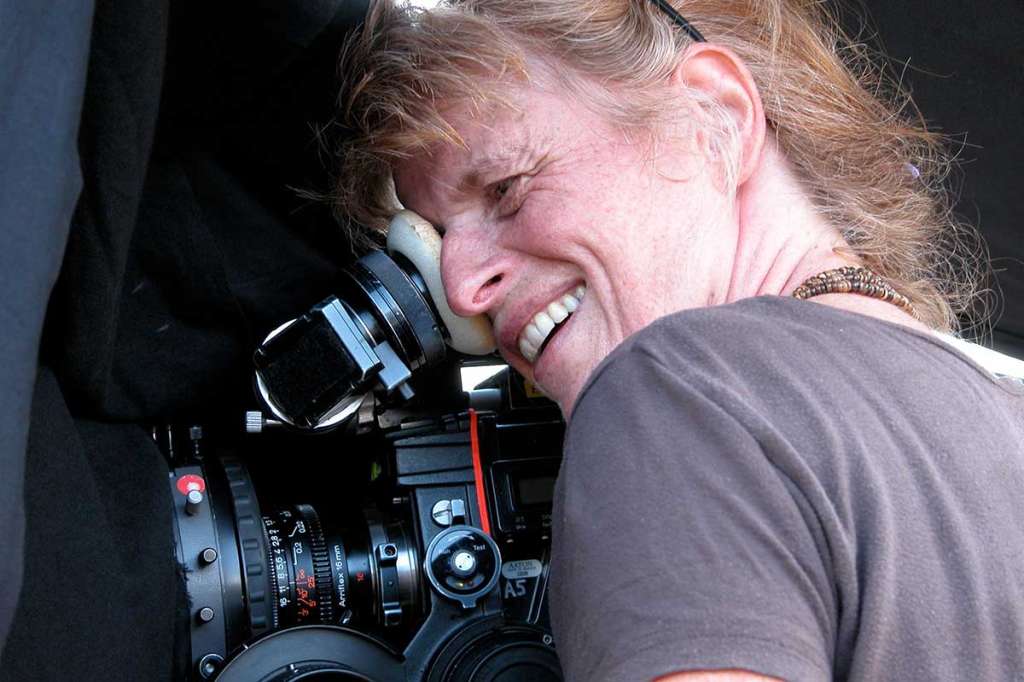
The new film by Claire Simon bears the name of Simon’s friend Mimi whose story and personality make the film. While Mimi Chiola tells about her life, the film slowly takes form as a sort of imagery story created in the listener’s head by Mimi’s words and voice.
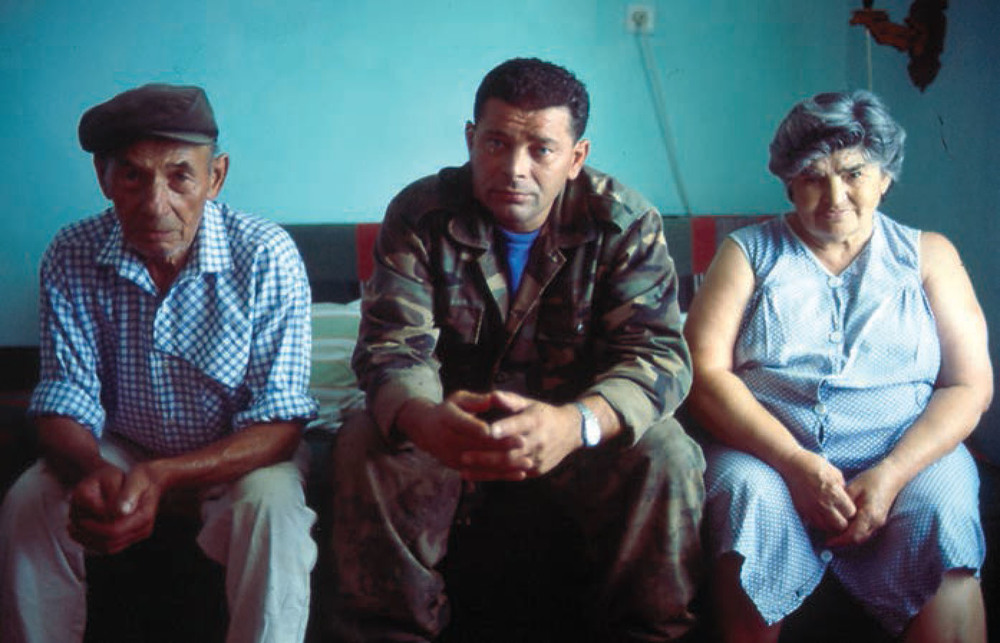
Hungarian fishermen along the Tisza River had been earning their living from the fish in the river for generations.
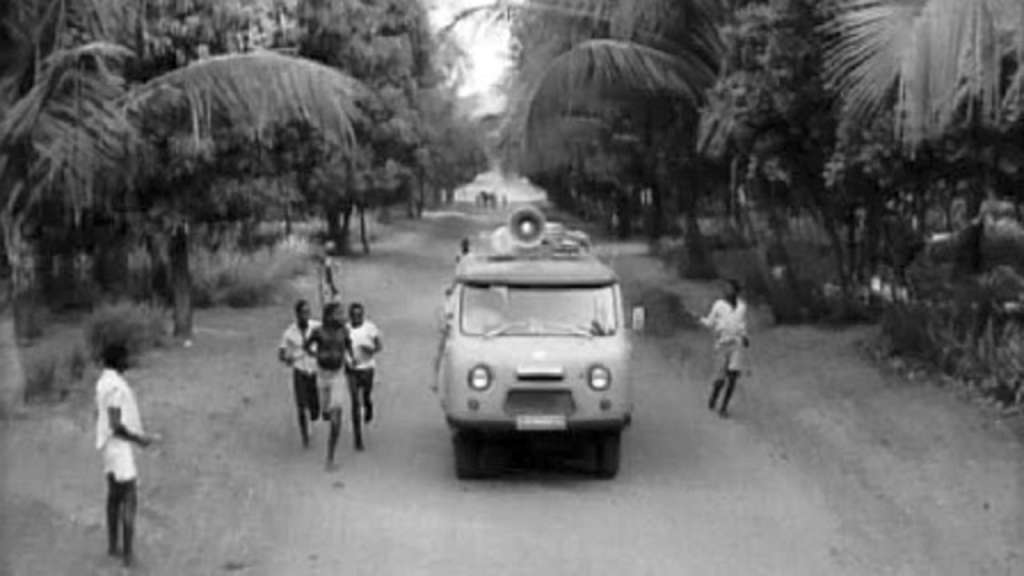
“These are the first images of a country. One rainy night, one flag is taken down. Another takes its place.” A woman’s voice pronounces these simple words that with picture and sound constitute a masterly opening of a film, which takes a sentimental journey back to 1975, when Samora Machel and FRELIMO declared the independence of Mozambique from Portuguese colonialism.
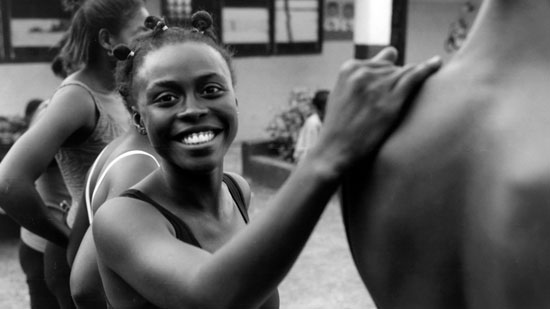
Sylvain L’Espérance’s video documentary La Main invisible (The Invisible Hand) is, in one way, about globalization, taking as its jumping off point the mining of Bauxite in the outback of Guinea.
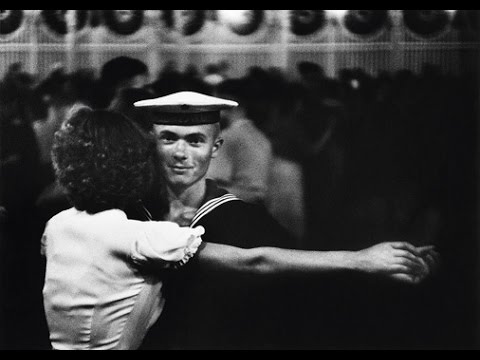
In the year of homage to Henri Cartier-Bresson, it is good to be reminded of other great observers in the art of photography, such as Georg Oddner, Sweden. First of all he deserves world recognition for some astonishing documentary photos from Russia after the Second World War.
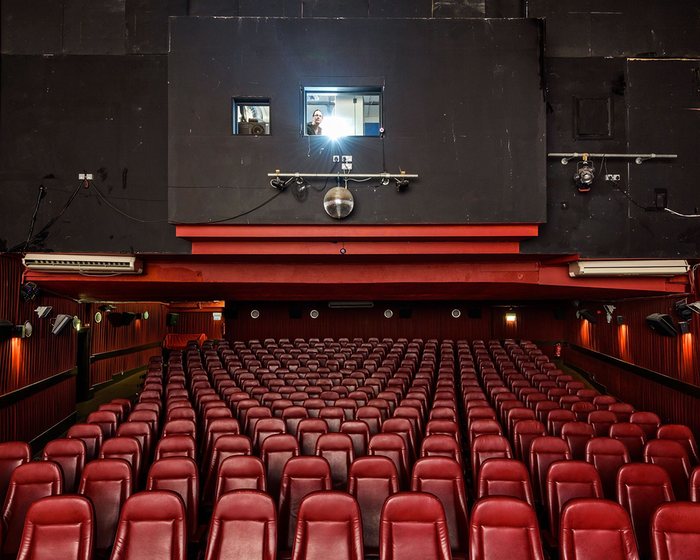
With usual modesty, the organisers of Cinéma du Réel celebrated its 25th edition this year: filled cinemas at the Centre Pompidou for a high-quality competition programme; a window on the world; an invitation to discover foreign cultures, human life, pain and joy; an extensive French panorama and a retrospective of Algerian documentary cinema. You know what you get when you visit Cinéma du Réel; that’s why I have been there from the very beginning.

Women Make Movies is one of the most successful ‘educational distributors’ in North America. Celebrating their 30th anniversary last year, they have a big catalogue with more than 400 titles, and though they also do theatrical and broadcast distribution, the educational market is where the US money is. ULLA JACOBSEN talked to executive director Debra Zimmerman at the One World festival in Prague this past April.
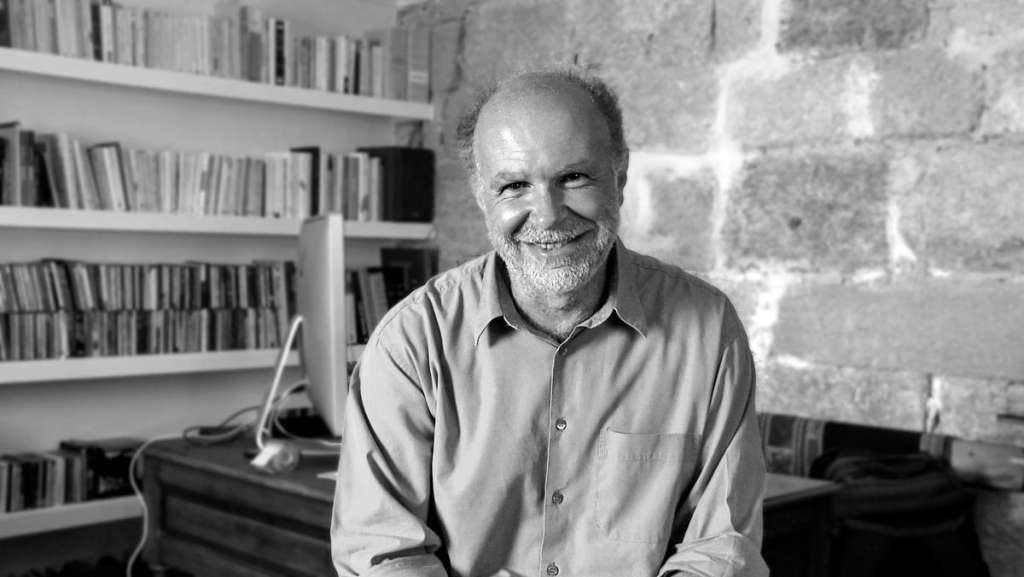
If you have been keeping up with French documentaries over the last twenty years, you have undoubtedly seen a film produced by Les Films d’Ici, a large company with a reputation for high-quality documentaries that win prizes and frequently cross borders to festivals and television channels outside France. TUE STEEN MÜLLER met Serge Lalou, one of the company’s head producers to discuss what it’s like to be a producer caught between ‘industry’ and ‘art’, between ‘television programmes’ and ‘documentaries’.