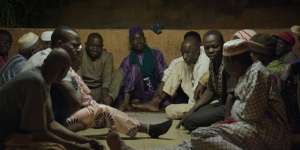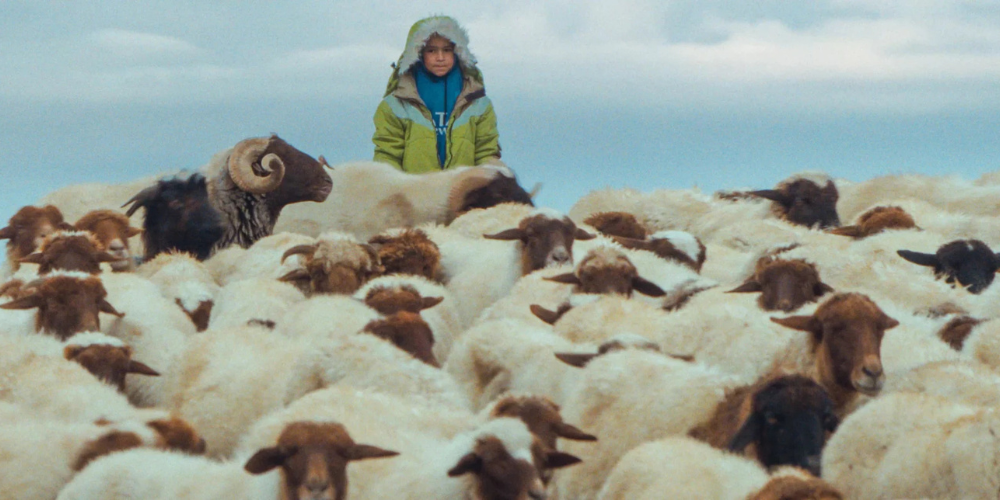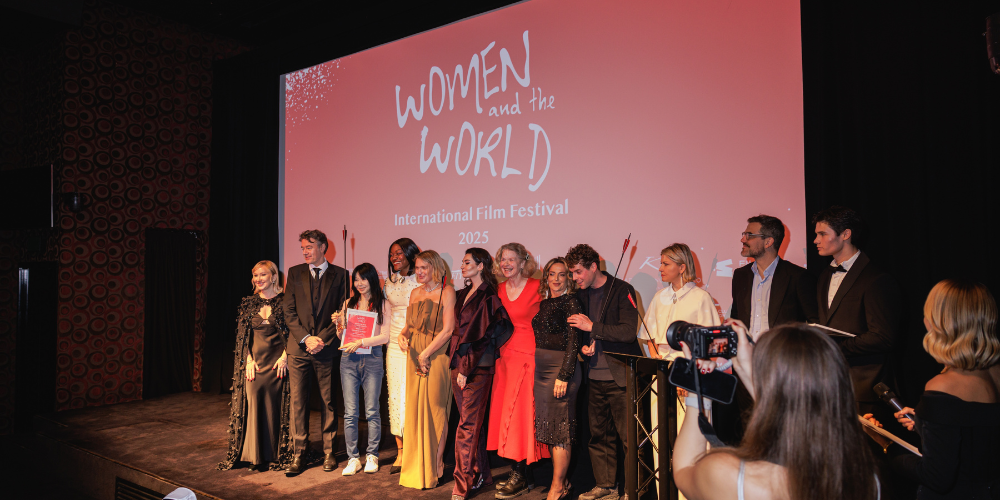
The Royal Anthropological Institute (RAI) has announced the full programme for the 2025 RAI Film Festival, marking its 40th anniversary with an expansive and diverse selection of documentary cinema. The 19th edition will run from 11 to 15 June in Bristol, with a global online programme available from 16 June to 16 July.
Established in 1985, the RAI Film Festival is the world’s leading platform for ethnographic and anthropological film. It serves as a critical forum for stories about humanity, identity, and cultural expression told through independent and often experimental lenses. This year’s edition will feature 94 films from 36 countries, including 14 world premieres and 39 UK premieres. More than half of the selected works are directed by women or non-binary filmmakers.
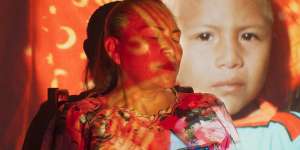
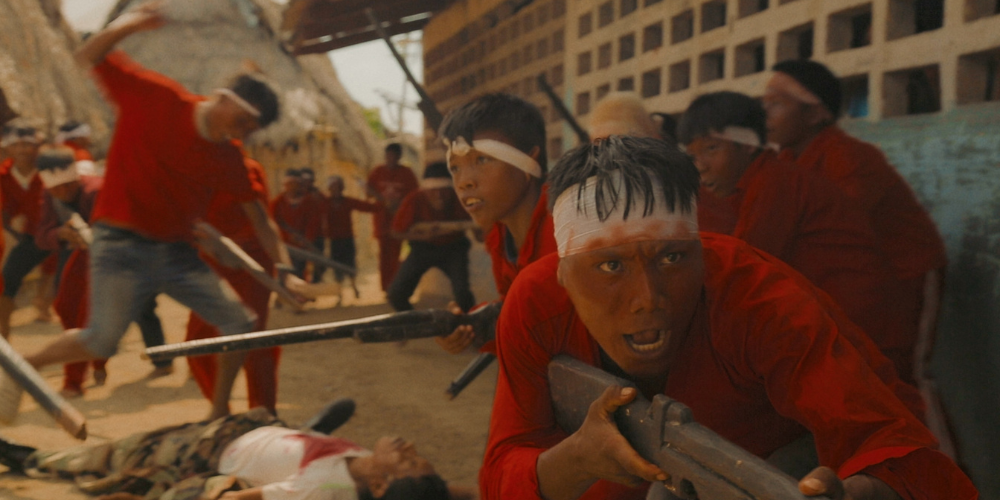
The 2025 theme, Looking Back, Looking Forward, echoes the festival’s origins and future trajectory. Highlights include God Is a Woman (2023) by Andrés Peyrot — the recipient of this year’s President’s Award — which explores Indigenous self-representation in Panama through the recovery of a lost 1970s film. Also featured is Bila Burba (2023), directed by Duiren Wagua, commemorating the centenary of the 1925 #Dule Revolution# with a cinematic reenactment of Kuna resistance.
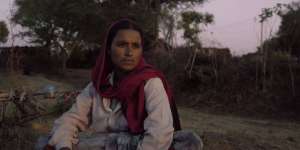
Two curated strands — Echoes from the Archive and Decolonial Revisions — delve into archival reimaginings and anti-colonial cinematic practices. The former includes the world premiere of The Queen of the Hills (1988–2025) by David and Judith MacDougall. The latter features A Century After Nanook (2025), which revisits the site of Flaherty’s 1922 film Nanook of the North with a critical eye.
The festival will honour pioneering feminist anthropologist and filmmaker Melissa Llewelyn-Davies with a Lifetime Achievement Award. A restored screening of her influential film The Women’s Olamal (1984) will be accompanied by a panel discussion on her enduring legacy.
Complementing the main programme are seven competitive awards, including the RAI Film Award and the Richard Werbner Award for Visual Ethnography. A wide thematic spectrum is reflected in films on gender, indigeneity, environmental justice, spirituality, and more-than-human encounters.
The festival will also host seminars, workshops, and conversations, including a discussion with filmmaker #Bruce Parry$ on ethics and evolution in television anthropology.
More information and the full programme are available at raifilm.org.uk.