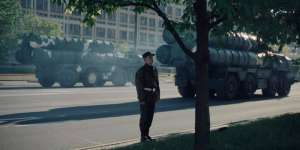
Belarus
-
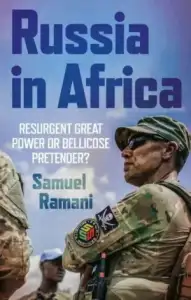
Russia’s Africa Policy
AFRICA: Russia has been very committed to the principle of non-interference and allowed authoritarian regimes to conduct their own politics without setting any political demands for their trade or aid. But they forgave debts to several African countries while signing several military-technical agreements.
-
-

«We see it as our mission to bring people together and create a conversation»
CPH:DOX: Head of Industry & Training Tereza Simikova discusses the 2023 CPH:FORUM.
-

The WHY Foundation to curate over 50 fact-based documentaries to Russian speakers across the globe
THE WHY Foundation has launched a new project to provide reliable, fact-based information to Russian speakers. The organization will release 50 carefully chosen documentaries, dubbed in Russian, on its YouTube channel over the next few months. The films cover topics directly affecting Russian-speaking citizens, such as #corruption, #war, children’s and women’s rights, #LGBTQ+ issues, and…
-

Battle royale
NAM: In a documentary diptych, Mila Turajlić examines the birth of the Non-Aligned Movement via an expansive unexplored archive of former Tito cameraman Stevan Labudović.
-
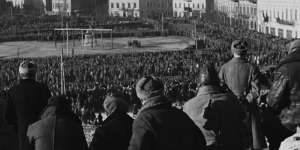
History repeating
WAR: Footage from a Soviet war crimes trial in Kiev in 1946 underscores today's atrocities committed by the heirs to the Red Army in Ukraine.
-

The revolution inside
BELARUS: A dreamy figure takes us through the protesting crowds of 2020 Belarus as dreams turn to nightmares.
-
B2B Doc moves flagship Pitch Lab to Krakow; presents 13 new documentary projects
Due to the full-scale Russian invasion of #Ukraine, the 2022 edition of the Baltic to Black Sea Documentary Network (B2B Doc) flagship event was moved from its annual home of #Kyiv to #Krakow, integrated into the 62nd Krakow Film Festival. The 2022 B2B Doc Launch Pad Pitching event saw 13 documentary projects representing #Belarus, #Ukraine,…
-
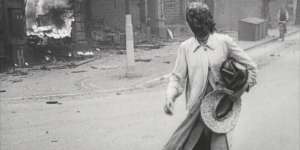
Choices of war
CONFLICT: Sergei Loznitsa’s sombre documentary, The Natural History of Destruction, re-examines the heavy bombing of British and German cities during World War Two, posing the question – ‘is it morally acceptable to kill civilian populations as a means of war?’