
nigeria
-
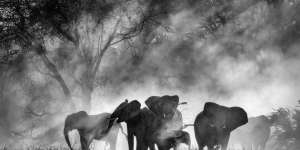
Ghost Elephants
NATURE: With Ghost Elephants, Werner Herzog creates another work within his transgressive anthropology.
-

«African cinema today stands at a dynamic crossroads»
FILM AFRICA: In our conversation with Lead Curator Keith Shiri, we explore how this year's selection highlights evolving African cinema, amplifying voices while addressing funding and distribution challenges.
-

Sunny Side of the Doc 2024: Shaping the Future of Documentary Filmmaking
Sunny Side of the Doc is set to return to La Rochelle from 24 to 27 June, 2024, celebrating its 35th edition with a renewed ambition to shape the future of documentary filmmaking. This year’s event promises to be a milestone, showcasing innovative ideas and fostering global collaboration in the documentary genre. The four-day event…
-
-

When it’s about life
REFUGEES: In Sicily, we meet Morgan Lescot on the rescue ship Ocean Viking for a conversation about boat refugees, challenges, and Europe's responsibility. Is this a tragedy that will only continue to increase?
-
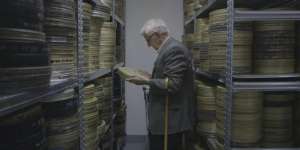
Colonial past, today
AFRICA: An exploration of rare archival material that unveils the significance of Algeria's fight for independence and its implications for modern-day Africa.
-
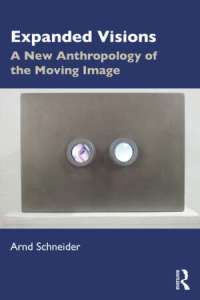
At the border of art and anthropology
Anthropology: On a new, participatory, inclusive artistic anthropology.
-
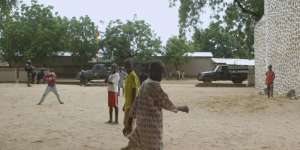
The colour of the sky
CAMEROON: A group of children carve out their own worlds amid the dangers of armed conflict.
-
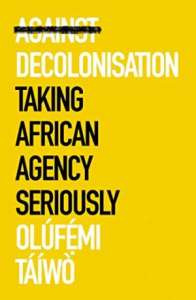
A politically correct decolonisation ideology?
MODERNISATION: Nigerian professor Olùfèmi Táíwò examines power relations between former colonised and colonialists. All states struggle to adapt modern institutions to their own history, cultural context, and ideological climate. But can the demand for decolonizing language become absurd?