A world of expectations
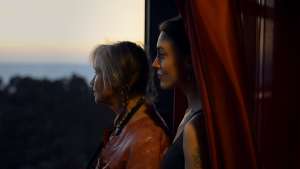
To Be Continued. Teenhood is the long-awaited sequel to Ivars Seleckis and Armands Začs’s 2018 documentary To Be Continued, in which they followed five seven-year-olds across Latvia during their first year of school. Now, seven years later, the filmmakers return to revisit these young souls, each navigating the transformative years of adolescence. What emerges is not just a portrait of five teenagers but a glimpse into the changing face of Latvia itself—its rural-urban divides, generational shifts, and the universal pressures that come with growing up.
The film’s strength lies in its intimate portrayal of the now fourteen-year-olds, who have blossomed into a mix of youthful exuberance and the growing pains of responsibility. The focus is as much on the inner emotional landscapes of these teens as on the surrounding societal backdrop that shapes them.
The rural vs. urban divide
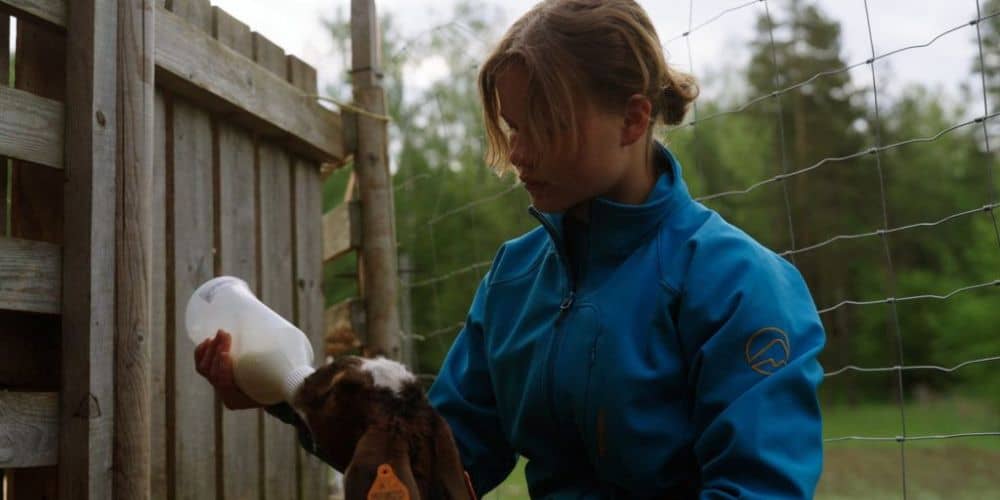
The two worlds at play in To Be Continued. Teenhood is the rural and the urban—both worlds alive with distinct pressures and expectations. In the countryside, we meet characters like Kárlis and Anastasia. Undoubtedly, maturity is related to rural kids’ responsibilities, whether carpeting, tending the livestock, or driving the family car. At the same time, we notice how their mothers tend to mock them playfully: «What is it? Are you nervous? This is just the beginning!» These responsibilities foster a kind of maturity that contrasts sharply with the more carefree existence of their urban counterparts.
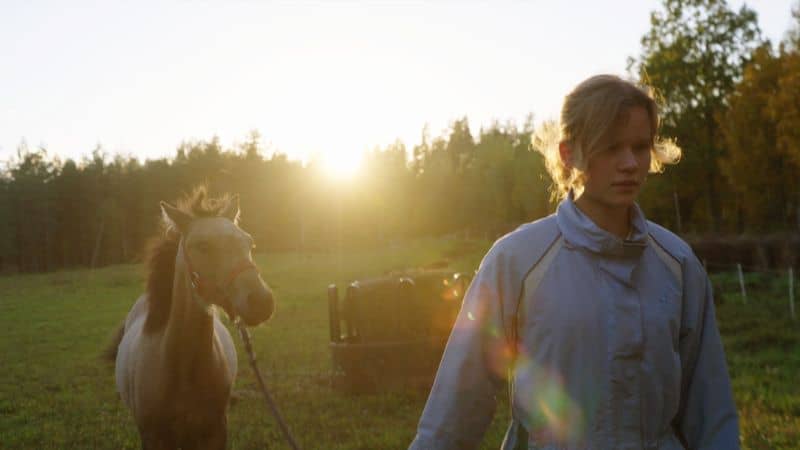
Anastasia tends to her horses with commendable care and closeness. She only wished her mother had seen her as a child and had taken the time to ask her how she felt. As a young child, she spoke of the pristine countryside with deep affection: «I have the same character as my mother, and I belong here.» Yet, in a heartbreaking twist, we see her torn from this life by a problematic situation at home. She feels she has no choice but to move to town away from her mother, whom she claims emotionally and physically abuses her. This shift is a poignant moment in the film, reflecting young people’s personal and cultural struggles in transition.
On the other hand, urban teens like Zane face different pressures—ambition, competition, and a desire to break free. A promising basketball player, Zane dreams of playing in Spain or Italy, but her relationship with her mother is strained. Zena publicly snubs her mother, ignoring her mere existence, and has the upper hand in this dynamic, while the father silently stays in the background as an observer. Zana has been allowed to become the tyrant of her family.
What emerges is not just a portrait of five teenagers but a glimpse into the changing face of Latvia itself—its rural-urban divides, generational shifts, and the universal pressures that come with growing up.
Gleb: The burden of expectations
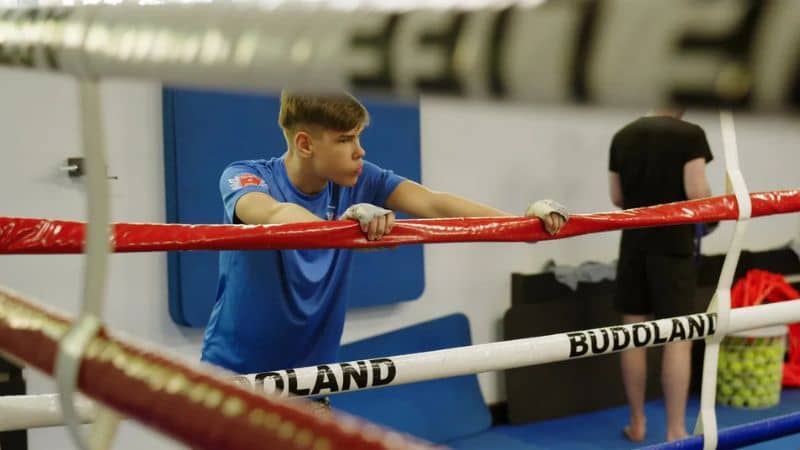
The most striking character in Teenhood is Gleb, a boy from a Russian-speaking family who has been raised with relentless ambition. His parents, determined to shape him into a high achiever, dictate his every move, from extracurricular activities to study habits. Gleb is caught in a strict regime, one that leaves little room for freedom or emotional expression. Gleb is overwhelmed when his father insists on his success, even in the #boxing ring. The boy’s desire for independence and the weight of his parents’ dreams are in direct conflict, leading to a heartbreaking moment when the boxing trainer tells Gleb’s father: «There is no point in putting the boy in the ring when he is not fit in spirit or body to fight.»
This tension between parental expectations and personal desires is a universal theme, and Gleb’s story is perhaps the most poignant in Teenhood. He is not allowed to be a child; his every moment is mapped out, and someone else’s ambitions shape his decisions.
A cinematic time capsule of Latvia
One of the film’s most compelling features is how it uses the lives of these teenagers to reflect the broader context of Latvia’s changing #identity. The filmmakers subtly incorporate elements of Latvia’s national pride, especially in the rural settings, where the countryside is shot in a nearly Neo-Romanticist style—lush, serene, and untamed. All the agricultural scenes breathe as if from a lost world. We are amazed at how tame and harmonious the farm animals seem when no agrarian machinery is used. It is hard to know if what we see in this film represents unique families or if traditional agriculture persists in this country.
The scenes from the countryside show quite a reverence for the country’s natural landscape and way of life and, with it, a sense of #nationalism. One might wonder: Is it wrong to praise nationalism when you are a small EU country squeezed between authoritarian regimes like Russia and Belarus? Should we be concerned when Kárlis and other 14-year-olds of the National Guard learn to disassemble machine guns and build survival huts in the forests? Or is this a new reality of an uncertain world we are approaching? Are the values and resources of Latvia so unique that a sense of nationalism is favourable? By the way, Lativa, also known as The Land of Nature, is the only government in the world that has successfully curbed international cooperators such as #IKEA from exploiting their virgin forests (Are we being fooled by IKEA’s promise of a greener future?).
One of the film’s most compelling features is how it uses the lives of these teenagers to reflect the broader context of Latvia’s changing identity.
The road ahead
To Be Continued. Teenhood is a fascinating, layered exploration of adolescence that does more than chronicle the lives of its young subjects. It reflects Latvia—caught between tradition and progress, old-world values, and the pressures of modern ambition. With each passing year, these characters evolve, but their experiences remain deeply rooted in Latvia’s national and cultural identity.
The film leaves viewers wondering what the future holds for these teens. Will Gleb ever find freedom from his parents’ expectations? Will Anastasia return to her beloved countryside? As we look forward to the inevitable continuation of this documentary series, we are left to ponder the long-term impact of these formative years on their futures and how the struggles of adolescence shape the trajectory of adulthood.
If the filmmakers follow these subjects every seven years, as they suggest, To Be Continued will become a living testament to how #childhood, adolescence, and broader societal changes unfold. It’s a rare and valuable glimpse into how a generation’s formative years can mould its destiny. With it, we will see how Lativa will change with the growing pressures from the outside world.
Ultimately, To Be Continued. Teenhood is a poignant reminder that while time may change a person’s outward circumstances, the internal struggles of growing up remain universal, no matter where you come from.