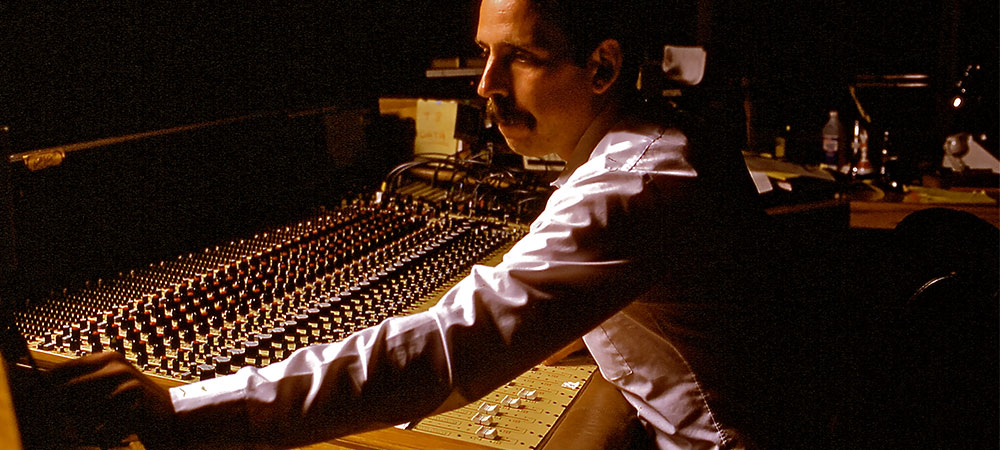
Since the beginnings of the motion picture, understanding and acknowledgment of film sound has often been overshadowed by its visual counterpart. With Making Waves: The Art of Cinematic Sound (screened at DokuArts 2019), director & co-producer Midge Costin looks to rectify this ill, informing along the way, with a comprehensive and entertaining documentary tracing both the history of sound design, as well as providing an informative breakdown of the teams that make up a film’s final audio output – The Circle of Talent.
The current Chair of Sound Design at the University of Southern California (USC), and with a decades-long career in Hollywood (credits include Crimson Tide, Days of Thunder, Armageddon, and Hocus Pocus), Costin is able to gather a highly reputable collection of prominent filmmakers and sound designers to provide insight and context on the topic. Directing titans like Steven Spielberg, George Lucas, Ang Lee, Ryan Coogler, Robert Redford, David Lynch, Barbara Streisand, and Sofia Coppola joins a who’s who of cinema‘s most prominent sound professionals in sharing first-hand experience from the sets of some of sound’s most watershed cinematic moments.
The foundations of Making Waves deal with the simple idea that sound and storytelling have always been intricately related. From the first moments of life, sound acts as the premiere sense we, as humans, are cognitive toward. Thus, a vital aspect of our psychological relationship with cinema. Growing from this central thesis, Making Waves then follows a linear trajectory in making its case, stopping at some of cinema’s most known, loved, and seminal moments in sound history.
A new roar
The film’s first half deals with the history of sound design and recording techniques. Naturally, this starts with The Jazz Singer and the beginnings of cinematic sound, including Tarzan and The Tin Man. Also amongst them is the revolutionary approach of Murray Spivack, who’s rebellion against stock sound produced the innovative roars of 1939’s King Kong.
a who’s who of cinema’s most prominent sound professionals in sharing first-hand experience from the sets of some of sound’s most watershed cinematic moments.
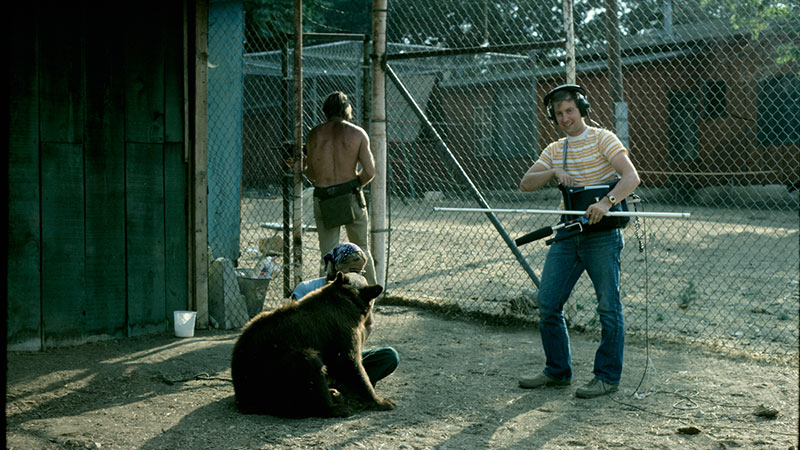
Moving through the years, from Citizen Kane and its War of the Worlds inspired radio realism, to The Matrix and Pixar’s digital sound pallettes, Making Waves makes its case by offering certain figures instrumental status within the field. Amongst them are, perhaps the godfather of cinema sound, Walter Murch, who’s collaboration with Francis Ford Copolla on films like The Conversation and Apocalypse Now set the template for a complete and sensory audio experience. Star Wars Ben Burtt, Saving Private Ryan’s and Jurassic Park‘s Gary Rydstrom, and The Elephant Man (and David Lynch collaborator) Alan Splet also receive the integral treatment, with the film breaking down specific examples of each’s contribution and approach: recordings of a young bear coaxed by food for Chewbacca; sound as world-building for the otherwise intimately shot opening sequence of Saving Private Ryan, to name but a few examples.
With this introduction to the world of digital sound design and mixing, The second part of Making Waves then offers a deeper dive into the sound community, each role responsible for a different aspect of a film’s final audio presentation. This Circle of Talent is broken down into three sections – voice, sound effects, music – with various roles within each. For example, as part of the voice section, Automated Dialogue Replacement (ADR) is explained through the famous “no crying in baseball” sequence from A League of Their Own, while, as part for sound effects, CeCe Hall describes her use of animal growls for Top Gun‘s roaring fighter plane engines.
No more boys club
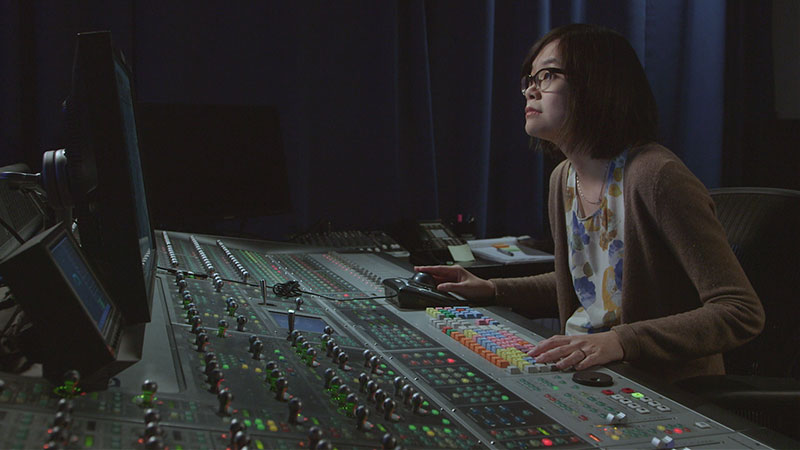
It is in this section where Costin is able to depict the demographic shift away from the almost exclusively boys club of Murch, Burtt, and company, to the pioneering and prominent women who have attributed to cinematic sound over the years. Starting with Barbara Streisand’s meticulous sound edits on A Star is Born and Funny Girl (where she apparently convinced Director William Wyler to record music on-set), and leading into Ordinary People‘s mother/daughter team of Kay and Victoria Rose Sampson, all the way through La La Land and Wild‘s in demand supervising sound editor Ai-Ling Lee, Costin balances representation and respect across gender and discipline.
Making Waves: The Art of Cinematic Sound is a cinematic love letter to some of cinema’s most unsung heroes. An informative and easy to digest take presentation, insightful stories from truly influential figures, and the use of much-loved examples, fuel this documentary into a thoughtful deconstruction of the “hidden power of sound in cinema”. Whether you believe that sound is even more important than image or you’re recording cars outside your window right now, we can all agree that without sound, and the myriad of figures behind it, cinema simply would not pack the emotional potential that it does.