With three million Armenians living in the country and seven million abroad, Armenia is a dreamland. The Armenian people, who have had their own state for only a relatively short period in their nearly three-thousand-year history, have survived thanks to their culture. Their tragic history, especially after the #genocide of 1915, has taught them the valuable lesson that spirit preserves the community more than the common land, whose borders history constantly redraws, or the fleeting material prosperity, which is swept away by crises, wars, and, in these seismic regions, by earthquakes. Hence, it is no wonder that the image of Armenia is woven from dreams and nostalgia, nourished by the diasporas, while the spiritual aura of Armenianness is strongly expressed.
Living in Paris after studying film directing in #Beirut, Tamara Stepanyan is part of the creative Armenian #diaspora, which nurtures the enchanting image of the country. Her very personal yet nationally—and ultimately universally—relevant documentary My Armenian Phantoms, which premiered at Berlinale’s Forum and is currently presented in the #goEast Filmfestival’s Competition, explores Armenian identity through various means. By recalling her Soviet childhood in #Yerevan amidst the artistic environment of her parents—her mother was an internationally renowned cellist, and her father was the popular actor Vigen Stepanyan—she organically reconstructs her trajectory against the backdrop of a collapsing Soviet Armenia while revisiting key works of Armenian cinema. Both repressive and dear to her memory, the Soviet period is the only time period she lived in her native land, and her childhood ended abruptly with its disintegration.

Cinema and the politics
Like many gifted Armenians, Tamara Stepanyan’s artistic destiny was to create her art far from home. She became a filmmaker in #Lebanon, where her family emigrated during the early 1990s and the onset of the war in #Nagorno-Karabakh, when continuous power outages, lack of water supply, #poverty, and near-impossible conditions for survival disrupted the hope for freedom in an independent Armenia.
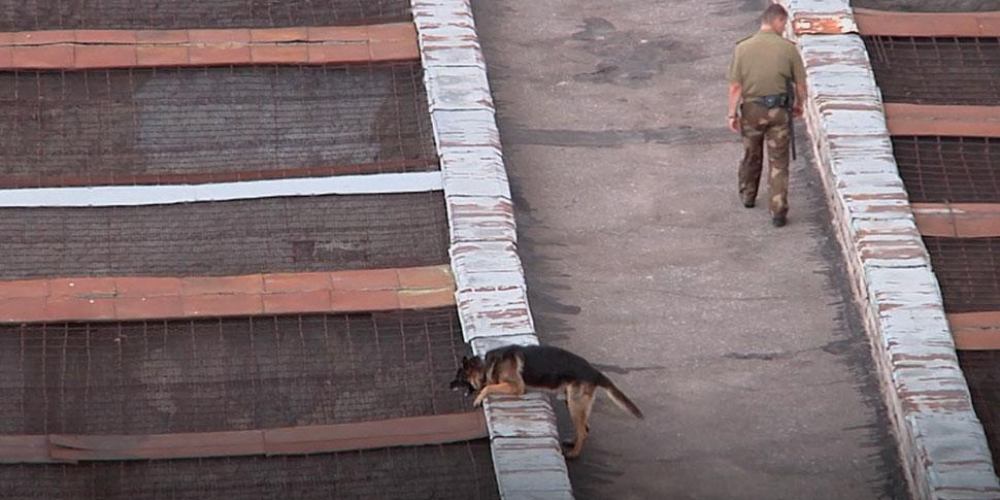
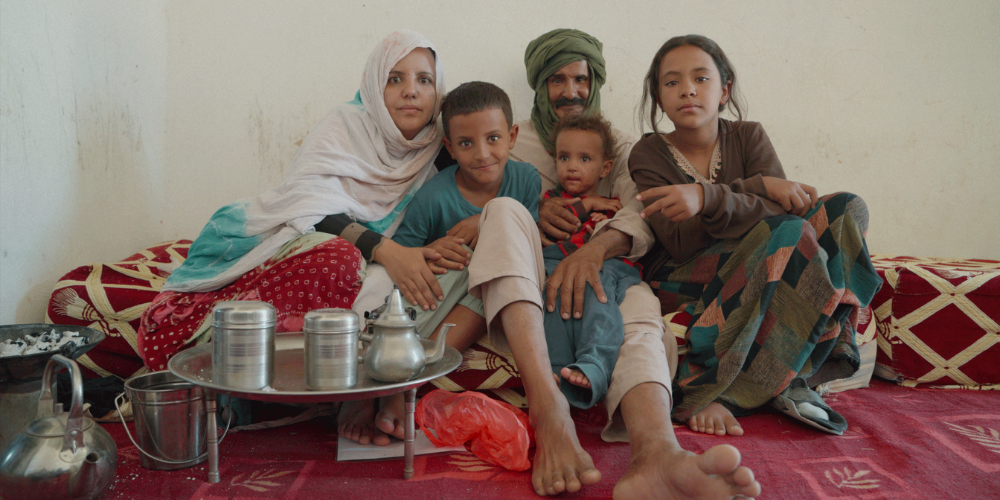
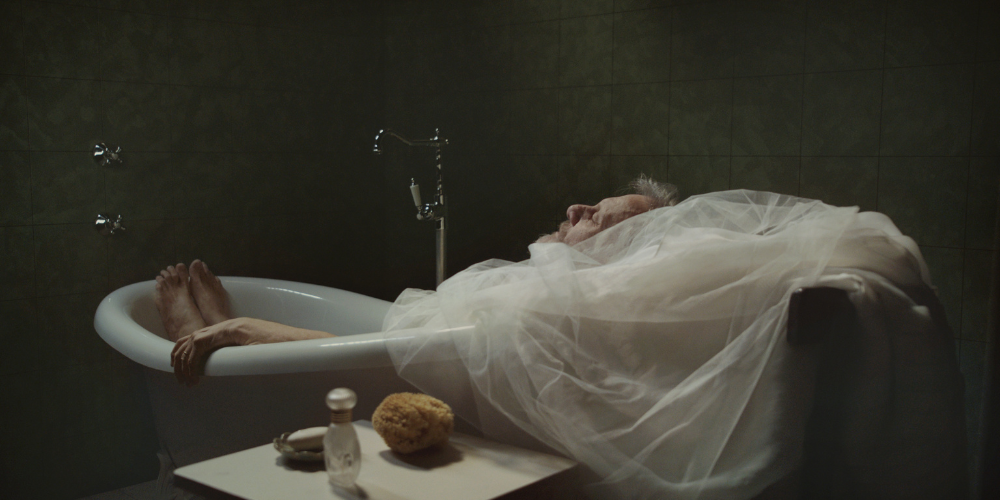
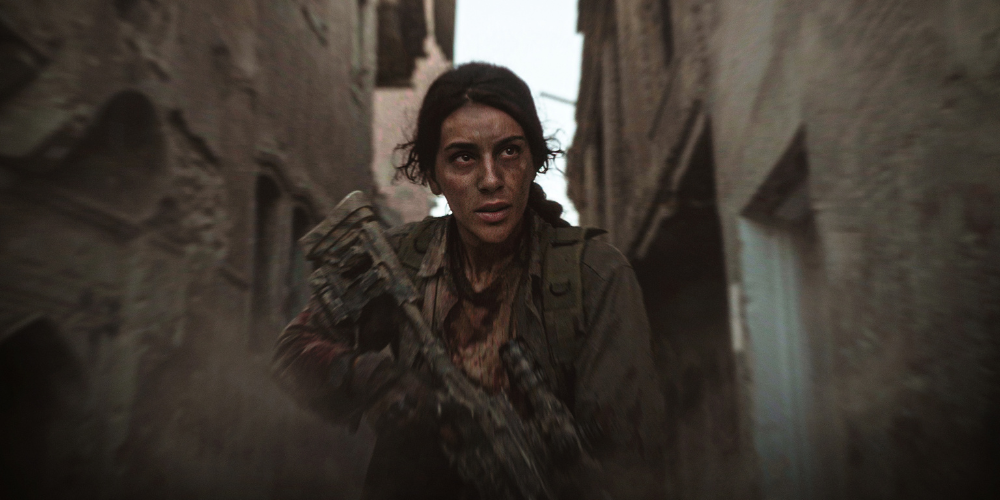
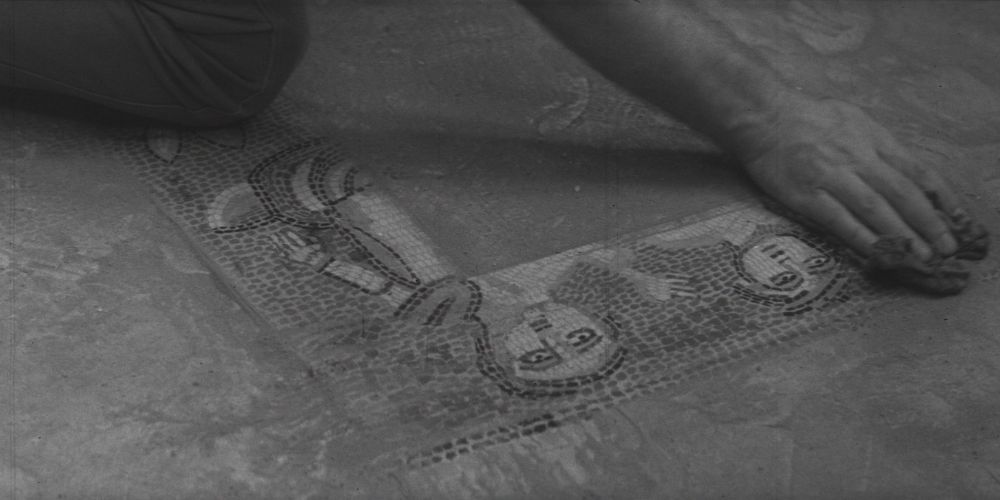
But in order to understand the past, as well as her own endeavours and inspirations, in My Armenian Phantoms, she delves into the history of Armenian cinema—a journey that, through a very personal quest, explores cornerstone topics of national cinematography from Soviet times. Including excerpts from about 30 films, organically woven into a narrative that meanders between private and social trajectories, Stepanyan’s selection of titles openly addresses political themes. Like for example, the Stalinist #Great Purge# is reflected in the fate of the propagandistic film Zangezur (1938), about the creation of Soviet Armenia, whose original director was executed during the brutal persecutions of intellectuals, which is why Hamo Bek-Nazaryan completed the film. The cruelty of patriarchy, criticised by the same Bek-Nazaryan—whom Stepanyan considers a feminist for his unique way of filming the disrespect towards women still in his silent Namous (1925)—is another widely discussed theme in the documentary. Later on, emancipated female characters dared to rebel against the masculine order, as seen in Autumn Sun (1977, dir. Bagrat Hovhannessian). The silence of Soviet authorities regarding the 1915 genocide to avoid conflict with Turkey is also a key motif—a wound subtly present on screen, mostly through melancholic landscapes featuring the Ararat mountain, the symbol of lost Armenia. It took six decades for the trauma to be openly expressed on screen, as seen in Nahapet (1977, dir. Henrik Malyan). Among the most featured directors is Frunze Dovlatyan, whose Hello, That’s Me! (1966) was the first Armenian film selected in #Cannes. Stepanyan names him the Prince of Nostalgia as she considers his films poems about Armenian identity, journey, and roots, while admitting she wants to be his successor.

Cinema and the private
This journey through Armenian cinema is, on the one hand, a continuation of Stepanyan’s exploration of the disappearing past, which she began with her debut documentary feature Embers (2006), portraying people from a bygone era who passionately fought for a cause and ideology—her grandmother Tamara’s friends, who celebrated #Victory Day# every year on 9 May because they had fought in the Second World War.
On the other hand, digging through old films is a way for the filmmaker to get closer to her suddenly deceased father and catch up with the conversations they could never finish. We learn towards the end that Vigen Stepanyan died of a stroke in 2021, just before she could shoot him for a feature film she was preparing. The story of her family, marked by separation, immigration, sporadic reunions, and ultimate loss, resembles that of the Armenian people, reflected in Armenian cinema.
In search of memories to overcome oblivion, Stepanyan revisits the ghosts of Armenian cinema and her personal genealogy, hoping to, if not prevent, at least slow down the process of forgetting. Thus, she manages to put together an excerpt of a solid portrait of a time segment through the dispersed and distant yet obsessively focused and nostalgic gaze of an emigrant yearning for a homeland she may never return to for good. As a result, My Armenian Phantoms is like a publicly shared private selection of moments and audiovisual captions that form the mental kaleidoscope of an individual’s mind, but the logic it follows may also be relevant for shaping the collective experience of any people, regardless of origin; it profoundly touches on universal occurrences of #existence. It is an all-embracing emotional, yet also comprehensive, poetic and intuitive, but also an analytical study of the human condition based on testimonies gathered at the threshold of political and cultural epochs.