Film Africa 2024, one of Europe’s most celebrated showcases of African cinema, is set to return from 25 October to 3 November. Hosted by the Royal African Society, this year’s edition coincides with Black History Month, offering audiences a range of films from across the African continent and its diaspora. Over 70 films from more than 20 countries will be screened at some of London’s most prestigious venues, including BFI Southbank, Ciné Lumière, Barbican, and Rich Mix.
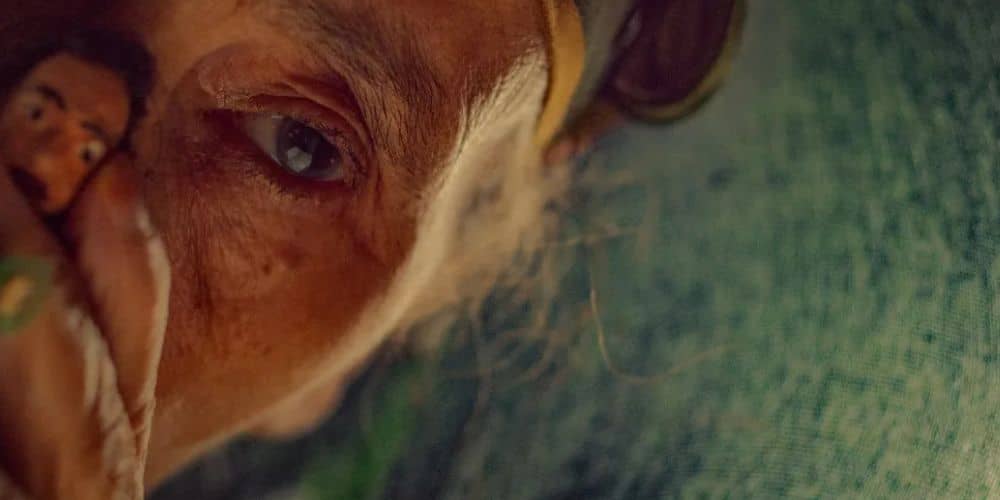
The festival kicks off on 25October with the opening gala screening of Dahomey (2024), a documentary by Senegalese filmmaker #Mati Diop#. The film, winner of the Golden Bear at the 2024 #Berlinale, tells the story of the return of 26 royal treasures from France to their rightful home in Benin.
The closing film, Black Tea (2024), directed by Mauritanian filmmaker #Abderrahmane Sissako#, will have its UK premiere on 3 November at BFI Southbank. The romantic drama follows a young Ivorian woman on a life-changing journey to #China, where she finds love.
After the Long Rains (2024), by 23-year-old Swiss-Kenyan director #Damien Hauser#, is another standout feature. Inspired by #Studio Ghibli#, the coming-of-age story follows Aisha, a ten-year-old Kenyan girl with dreams of becoming an actress.
Another anticipated feature is On Becoming a Guinea Fowl (2024), directed by BAFTA-winning Zambian-Welsh director Rungano Nyoni. The film, which won Best Director at the Cannes Un Certain Regard category, is a dark comedy-drama that explores family secrets in a middle-class Zambian household.
Cameroonian director Rosine Mbakam’s feature debut, Mambar Pierrette (2023), is another highlight. The film portrays the resilience of a seamstress in Cameroon, played by non-professional actor Pierrette Aboheu Njeutha.
The festival also delves into more controversial and pressing issues. Sara Chitambo’s Black People Don’t Get Depressed (2024) confronts the stigma surrounding #mental health# in Black and African communities.
Restored classics also feature prominently, with the World Cinema Project bringing several seminal works to the screen. These include Mandabi (1968), the first feature shot in an African language, directed by #Ousmane Sembène#, and Chronicle of the Years of Fire (1975), an Algerian historical drama by Mohammed Lakhdar-Hamina that won the Palme d’Or at Cannes.
Documentary enthusiasts can look forward to screenings like The Mother of All Lies (2023), an Arabic-language documentary by Asmae El Moudir, and Mário (2024), a documentary by Billy Woodberry that explores the legacy of African revolutionary Mário Pinto de Andrade.
Alongside film screenings, Film Africa 2024 will host a variety of industry events, including workshops and panel discussions aimed at supporting emerging African filmmakers. Notably, Film Lab Africa, held on October 31, will showcase new talent from Lagos, Nigeria, in partnership with the British Arts Council.
The festival will also celebrate African creativity through its live events, such as Film Africa LIVE!. Audiences can enjoy a night of African music and dance, along with a selection of African cuisine.
Film Africa 2024 concludes on 3November with the announcement of the Baobab Award for Best Short Film and the Audience Award for Best Feature Film. Both awards aim to spotlight emerging African filmmakers, with the winners receiving $2,500, sponsored by Rolling Stone Africa.
Find more information and the complete programme – HERE