Anna Dziapshipa grew up in #Tbilisi, the daughter of an Abkhazian father and a Georgian mother.
In Soviet times, #Abkhazia was an autonomous republic within the Georgian Soviet Socialist Republic. Home to 97,000 people of mixed ethnicities, including Abkhazian, Georgian, Russian, Ukrainian, Estonian and others, the fertile strip of mountainous land bordering the warm waters of the #Black Sea# was a favourite holiday destination for Soviet citizens. Seen as a peaceful haven before the break-up of the #Soviet Union# in 1991, tensions led to a bitter and ugly #civil war# 1992-1993 in which more than 12,000 people died. Both sides – Russian-backed Abkhazia and Georgia were accused of atrocities, including the rape and murder of civilians.
Fractured sense of self
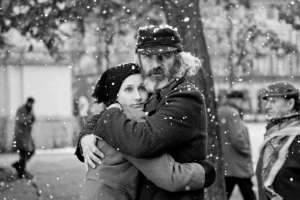
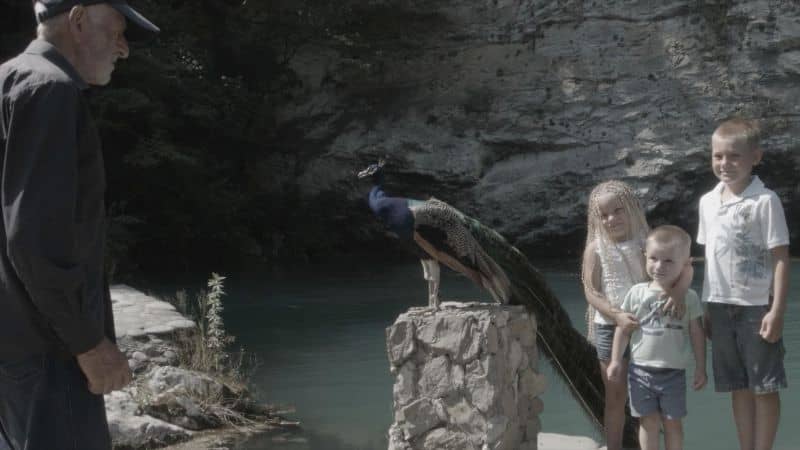
In Self-portrait Along the Borderline, Dziapshipa attempts to draw together a fractured sense of self and identify during a trip back to find the family holiday home her grandfather, a famous Soviet-era footballer who played for Dinamo Tbilisi, built. It is the home of her childhood memories – and a recurring dream centred on her surname, which once elicited enquiries about her relationship to the famous soccer player, but later became the subject of ridicule at school in Tbilisi, where its Abkhazian origins made her a target for bullying.
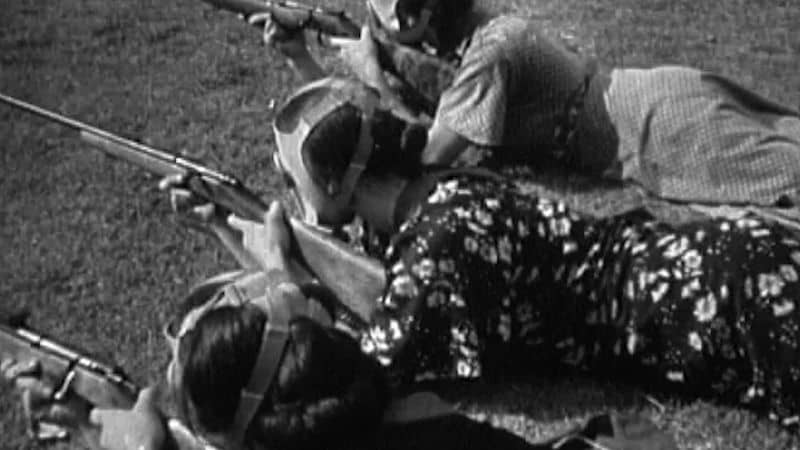
Dziapshipa – who spends the early part of the film repeating how many different, incorrect versions of her name she has heard in her life – combines archive footage (starting with the wedding of her parents before her birth in 1982) with her return to Sukhumi, capital of Abkhazia to try to recreate meaning.
The archival images are like the threads of a spider’s web (an image she also repetitively employs) in her search for a unified vision of herself.
It is the home of her childhood memories
A short journey
Self-portrait Along the Borderline is a short journey into #memory and meaning – less than 50 minutes – that is evocative for anyone whose past is a complex web or who can imagine such a situation. There are no specific images of the #war here, although the soundtrack includes sirens wailing, small arms fire and explosions.
For the director, Sukhumi throws up images of a paradise lost; the halcyon memories of her childhood summers there resurfacing as she tours the run-down and dusty contours of the city, the only urban area in a country that claimed independence in 1999 but is recognised by few countries beyond Russia.
Ghosts
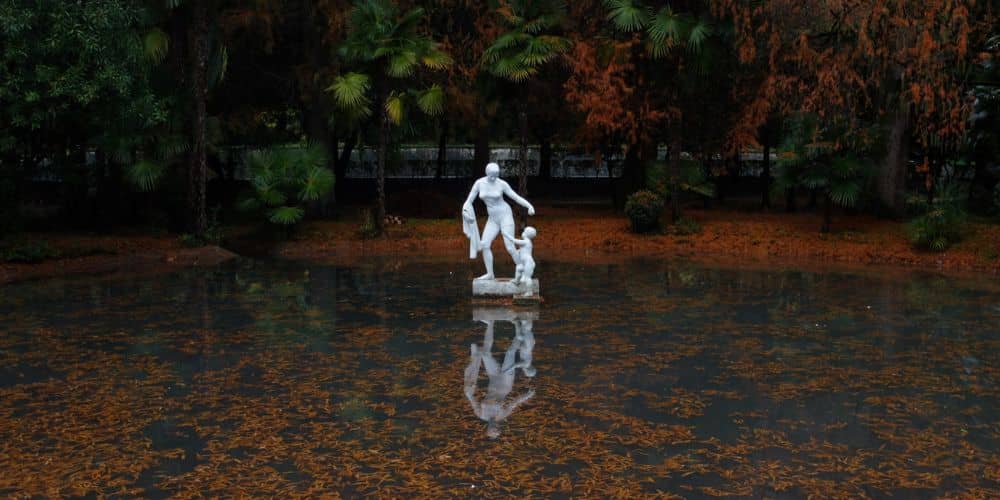
Abkhazia is a ghostly place – emptied of nearly a quarter of a million Georgian who fled during the war – where bombed-out ruins and decaying homes, vacant for decades, are to be seen everywhere. I was there once – in 2008, shortly before the Russian-Georgian war, permitted to enter visa-free for 24 hours by an Anglophile border officer. Dziapshipa’s sense of loss is easy to understand: the entire small country reeks of it.
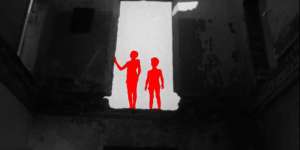
The film concludes with Dziapshipa returning to the semi-ruined holiday home, locked up for decades but full of ghosts and spider webs when she enters. A portrait painted while on holiday the year before the war started of her as a 10-year-old girl stares down from a wall as she enters. It is the same image that has been haunting her dreams.
There is little sense of closure in a film about the open wound of ethnic #conflict and the enduring pain that is its legacy.
Self-Portrait Along the Borderline screens as part of the 2023 Sarajevo Film Festival Documentary Competition