The 65th Kraków Film Festival will open on 25 May 2025 with the world premiere of The Queen and the Smokehouse, a debut feature by Polish director Iga Lis.
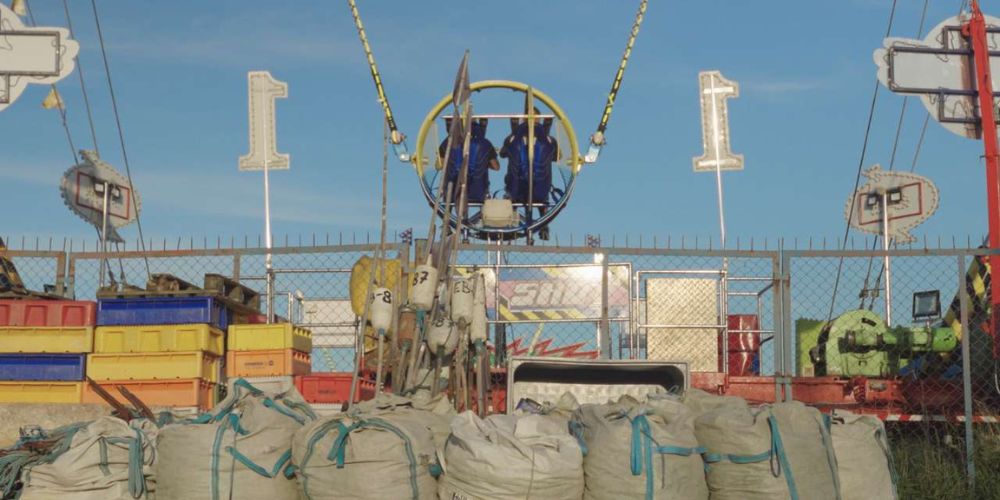
Lis’s film tells the story of Miecia, the formidable matriarch of a smokehouse in the coastal town of Łeba. For decades, her fish delicacies have drawn long queues and become a regional icon. But behind the success lies a story of sacrifice: Miecia’s health has declined, and she must now pass on the business she built. The Queen and the Smokehouse is both a character study and a lament for vanishing local traditions, exploring how #tourism, ageing, and #gentrification threaten spaces built on personality and craft.
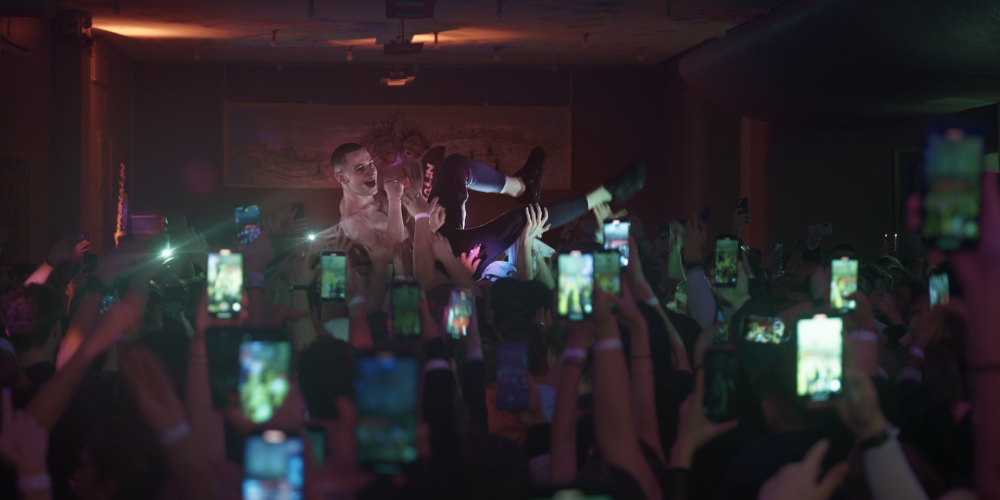
Alongside this portrait, the 2025 programme presents a robust International Music Documentary Competition (DocFilmMusic), offering nine films that chronicle artistic resilience, cultural preservation, and the politics of performance.
Highlights include Monk in Pieces (dir. Billy Shebar, David Roberts), a layered reflection on the life and work of American avant-garde pioneer Meredith Monk, and Any Other Way: The Jackie Shane Story (dir. Lucah Rosenberg-Lee, Michael Mabbot), a posthumous portrait of the trailblazing R&B singer who navigated #racism and #transphobia in mid-20th century North America.
The section also features David Keenan: Words on Canvas (dir. Paddy Hayes), which follows the Irish troubadour’s search for artistic authenticity; Caliu, Nothing Else, What More Could I Do? (dir. Simona Constantin), about a Roma violinist rebuilding a musical legacy; and Fandango (dir. Remedios Málvarez Báez, Arturo Andujar), an ethnographic homage to the Andalusian folk genre passed down through generations of women.
Other entries include Cosmic Balance (dir. Andreas Johnsen), exploring trance rituals in Indonesia; Kyiv Soloists (dir. Trond Kvig Andreassen), a moving account of Ukrainian musicians touring in exile; Sane Inside Insanity: The Phenomenon of Rocky Horror (dir. Andreas Zerr), marking the cult musical’s 50th anniversary; and Ai Weiwei’s Turandot (dir. Maxim Derevianko), which captures the Chinese artist’s radical operatic staging as a platform for political discourse.