
A Young Harsh Reality
Can documentaries benefit from the film techniques used in fiction films? David Kinsella’s “Killing Girls” is exemplary.

Can documentaries benefit from the film techniques used in fiction films? David Kinsella’s “Killing Girls” is exemplary.
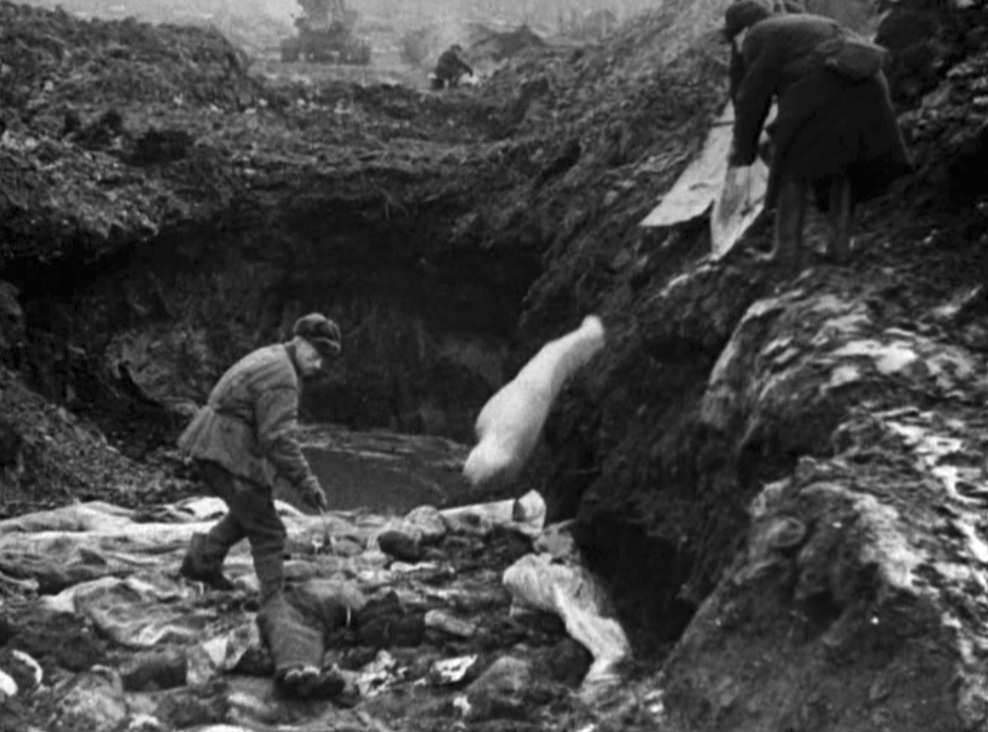
The city of Leningrad and the blockade during the Second World War. No words. No music. Only sounds and black and white images of a dying city.
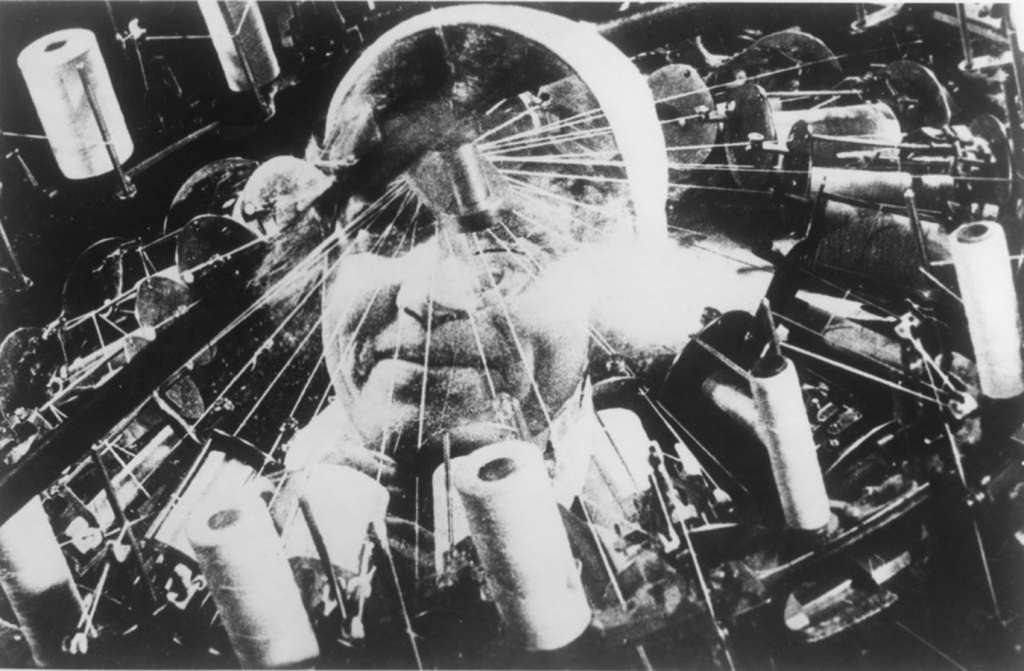
Dziga Vertov (1896-1954) remains one of the most influential documentary filmmakers. Yet – aside from the astounding The Man with a Movie Camera (1929) – his movies are rarely screened and little known. The Giornate del Cinema Muto Film Festival in Sacile, Italy (9–16 October 2004) hosted a retrospective of Vertov’s vital silent films. The programme revealed the growth of this zealous practitioner and prophet of documentary, as well as the freshness of his work as a source for current non-fiction films
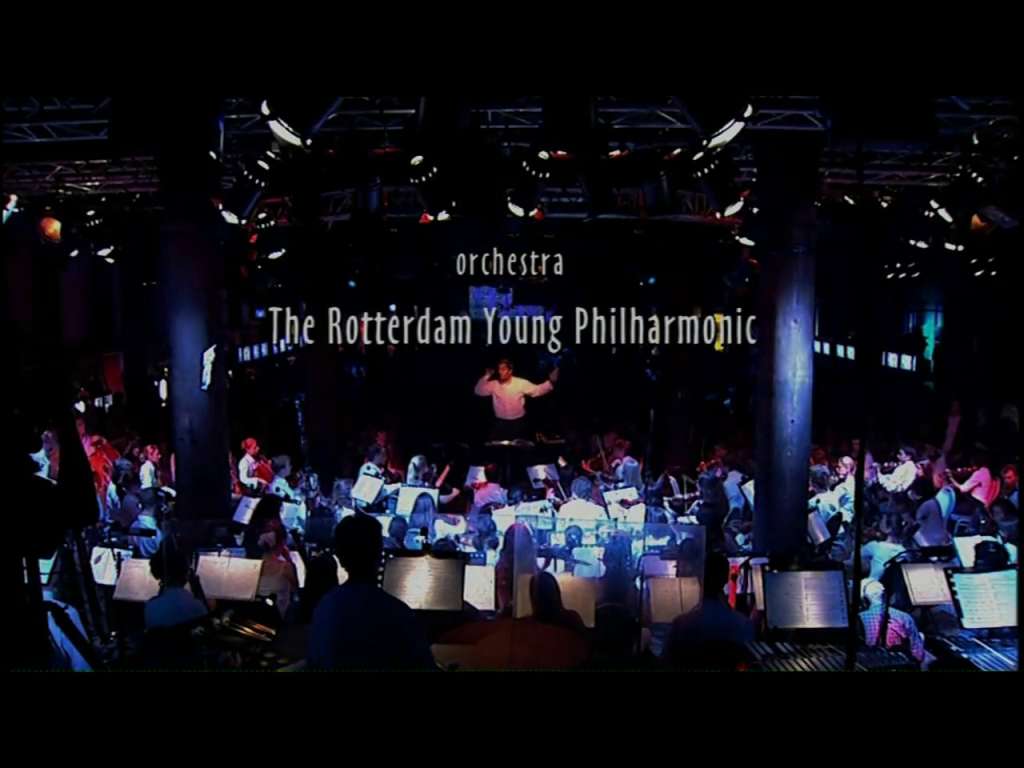
It was a unique experience for me – a novice of classical music – to be totally spellbound for ninety minutes, following the creative process of three young conductors taking part in a masterclass with the world-famous conductor Valerie Gergiev.

There are over 150 IKEA branches all over the world. And now Russia has one of its own. On 22 March 2000, Russia’s first IKEA opened its doors in the Moscow suburb of Khimki.

ANETTE OLSEN journeyed to the most distant corners of the world through the films shown at the International Documentary Film Festival in Amsterdam last November. She reports on some of her cinematic adventures.

The setting is an isolated, remote spot in Russia, the village of Shoina – sixty kilometres north of Archangel. During winter the village is totally inaccessible, and in the other seasons it is only less so.
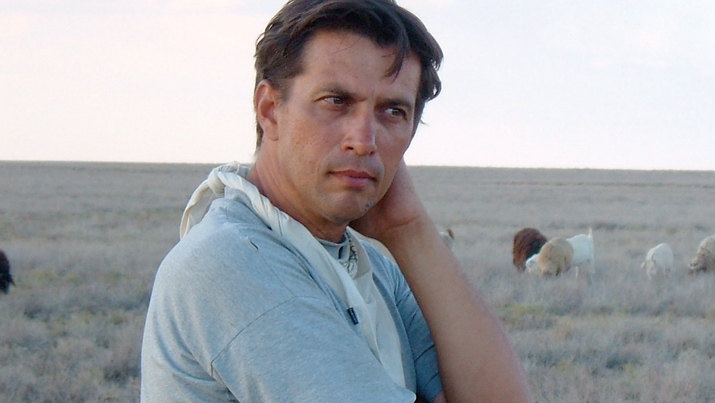
The highway of the title refers to a 2,000 mile stretch of dirt road in remote Kazakhstan. Along this route a traveling family circus journeys in their crowded hand-cranked bus, stopping in villages to perform feats of strength and skill.