Slavoj Zizek
-

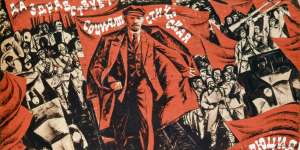
The Pervert’s Guide to Utopias
PHILOSOPHY: In the grand conclusion of his Pervert's Guide trilogy, Slavoj Žižek wants us to embrace the end of the world with a healthy dose of radical pessimism.
-

Porto/Post/Doc announces first titles for 2024 festival
The upcoming edition of the Porto/Post/Doc festival has unveiled several sections of its programme. Spread across multiple strands, this year’s festival confronts issues of identity, memory, history, and cultural expression. One of the central highlights of the festival is the thematic program, «Europe Does Not Exist, I’ve Been There». This program addresses the complex question…
-
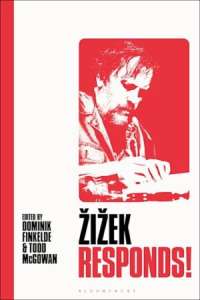
Being in the opposing position
ŽIŽEK: Despite being a public intellectual for at least 30 years, there has been no previous discussion of Slavoj Žižek's thought as multifaceted and nuanced as the one we see in the current anthology. But does Žižek recognise the revolutionary potential of desire?
-
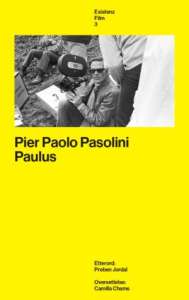
We can all be like Paul
PASOLINI: The apostle Paul shows the revolutionary power of fighting for a cause that defies the usual course of contemporary life. Paul becomes the symbol for creating a new reality and defeating hegemonic power. But can we imagine there is a Paul in Israel today?
-

The last warning
PHILOSOPHY: Drawing from The Triple Life of Antigone by Slavoj Žižek, this film reflects on today’s environmental and political «chaos».
-

Marx, where did all your revolutionaries go?
PHILOSOPHY: Narrating his own reminiscences, Christian Labhart spans decades reflecting on the political earthquakes of his lifetime.
-
-
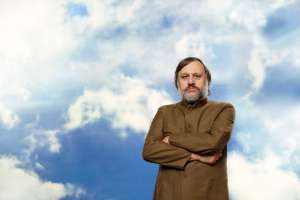
His theatre of thought
Slavoj Žižek’s philosophy in this film continually refers to sequences in films, but also Immanuel Kant, hardcore pornography, Wagner and caffeine-free coffee.