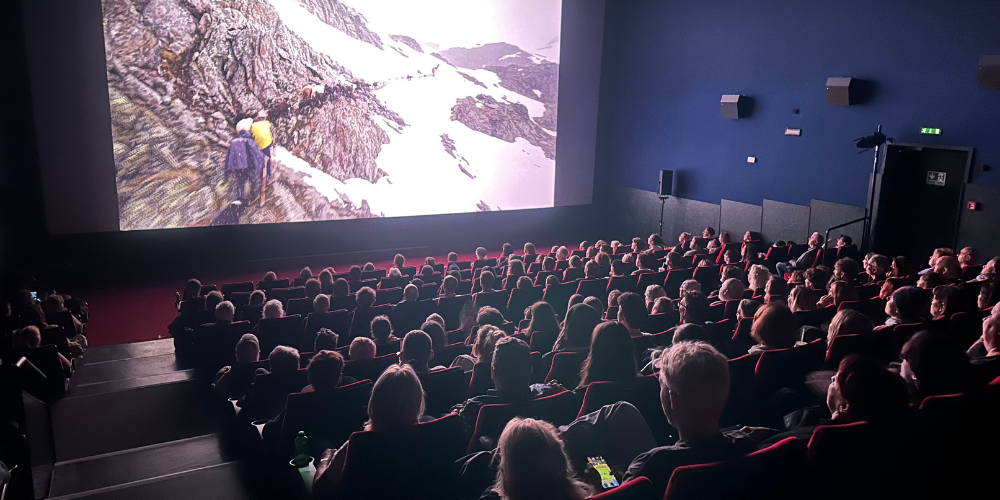
The 65th Kraków Film Festival, running from 25 May to 1 June 2025, with an extended online edition on KFF VOD until 15 June, offers an expansive look at contemporary documentary cinema. This year’s programme is marked by the convergence of the intimate and the existential, with two strands—the International Documentary Competition and Docs+Science—examining the bonds of family, memory, and humanity’s evolving relationship with technology.
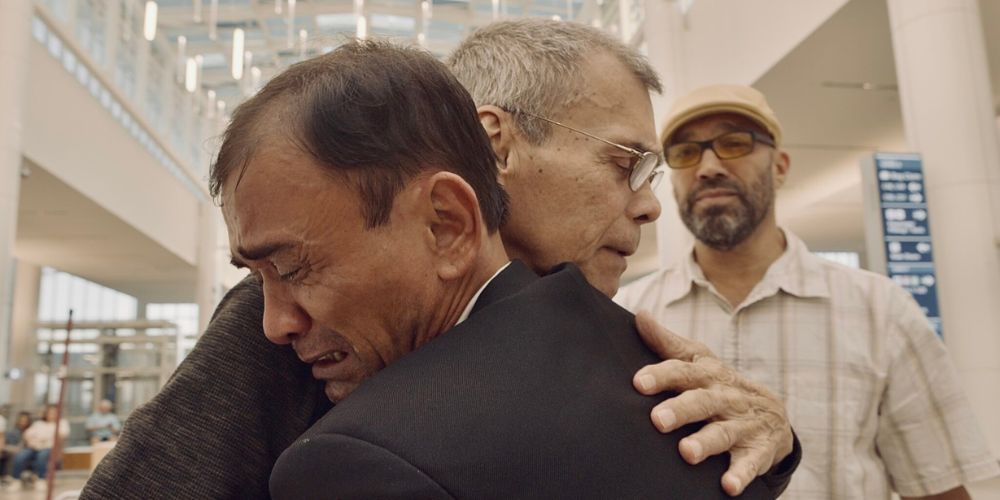
Among the 15 films competing for the Golden and Silver Horns in the International Documentary Competition are Tata, directed by Lina Vdovîi and Radu Ciorniciuc, and Child of Dust by Weronika Mliczewska. Both films explore the long shadow cast by paternal absence, filtered through the lens of intergenerational trauma and reconciliation.
While these films centre on the microcosm of the family, the Docs+Science section of the festival expands the lens toward collective questions about humanity’s future. Curated by science journalist Karol Jałochowski, the programme explores themes such as digital afterlife, scientific ambition, perception, and memory in a rapidly technologised world.
Among the highlights is Eternal You by Moritz Riesewieck and Hans Block, which investigates emerging attempts to digitally resurrect the dead through artificial intelligence. Can’t Feel Nothing by David Borenstein critiques the numbing effects of social media addiction and propaganda production, while Life and Other Problems by Max Kestner responds to a controversial animal euthanasia case with a philosophical inquiry into life and consciousness.
Other entries in Docs+Science include Surfing Einstein by Meritxell Campos Olivé, an expressive hybrid of dance and physics documenting the discovery of gravitational waves; Light Darkness Light by Landon Van Soest, which follows a blind man undergoing sight-restoring neural surgery; and The Arc of Oblivion by Ian Cheney, a meditative essay on the fragility of memory in the digital age.