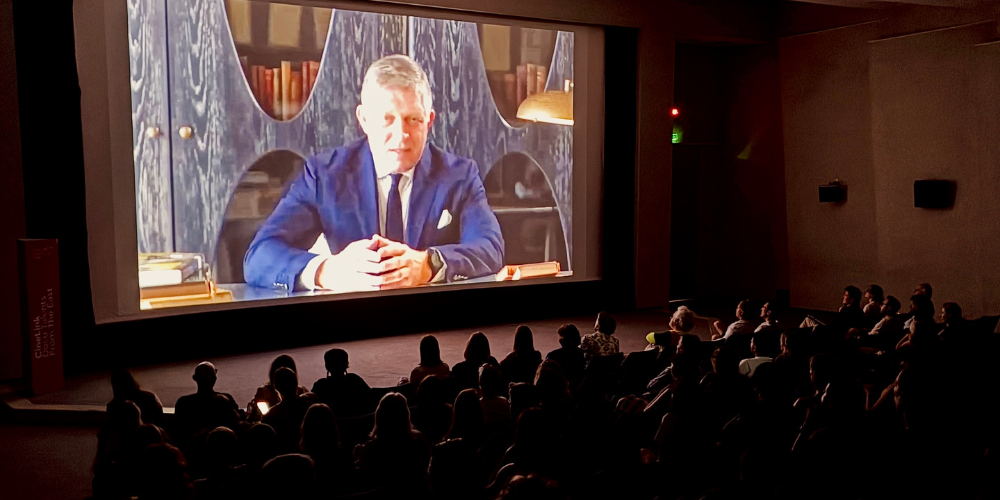
The International Film Festival and Forum on Human Rights (FIFDH) will return for its 24th edition from 6–15 March 2026, presenting a programme framed by the festival as a response to accelerating authoritarianism, weakening international law and growing repression. The festival positions its screenings and public Forums as a platform for dialogue between filmmakers, activists, journalists and artists, with an emphasis on resistance, solidarity and collective action.
The 2026 line-up of public guests announced alongside the programme includes actor and activist Adèle Haenel, UN Special Rapporteur Francesca Albanese, writer Yara El-Ghadban, filmmaker Claire Denis, activist-scholar Vanessa Eileen Thompson, historian Susan Stryker, actor Nina Meurisse and reporter Charles Villa.
A key programme axis, titled «Authoritarian Drift and the Spectrum of Fascism», focuses on democratic backsliding across the United States and Europe, as well as a broader global perspective via Forums addressing repression in Argentina, China and Iran. The strand is set to open with the world premiere of Meloni Rising, directed by Anna Bonalume and Jérémy Frey. In parallel, the festival spotlights works and discussions on how authoritarian policies target those already pushed to the margins, from police violence and racial justice to conservative attacks on trans rights and political control over intimate life.
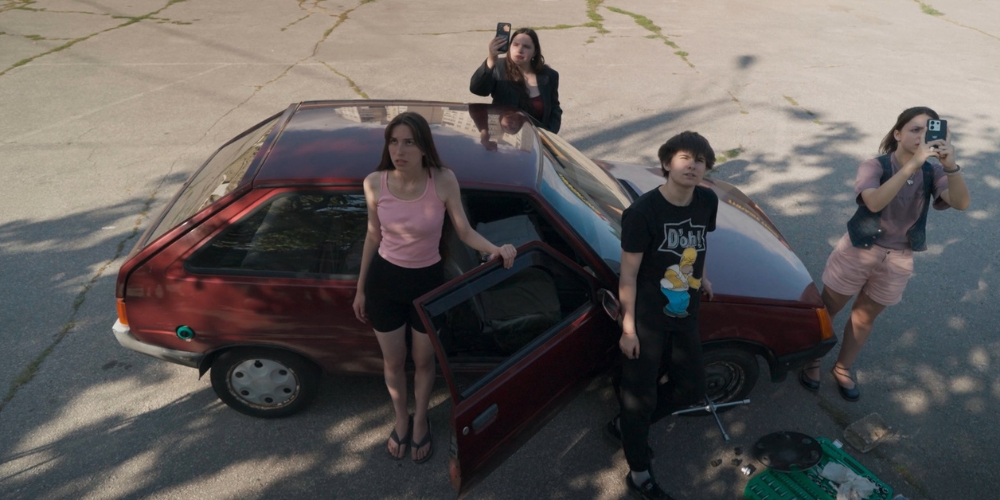
Among the films highlighted in this context are Just Kids (Gianna Toboni), Laundry (Zamo Mkhwanazi), Julian (Cato Kusters) and Between Dreams and Hope (Farnoosh Samadi), each positioned within a broader set of Forums featuring invited speakers connected to the themes under discussion.
International law and multilateralism form the backbone of a second major strand, «The Breakdown of the International Order». The festival points to contemporary imperialism, resource extraction and conflicts in the Democratic Republic of the Congo (Kivu) and Sudan as focal points for two Forums examining civilian harm and geopolitical impunity. The programme also includes Palestine 36 (Annemarie Jacir), which revisits the 1936 uprising of the Palestinian population against colonial domination under the British mandate.
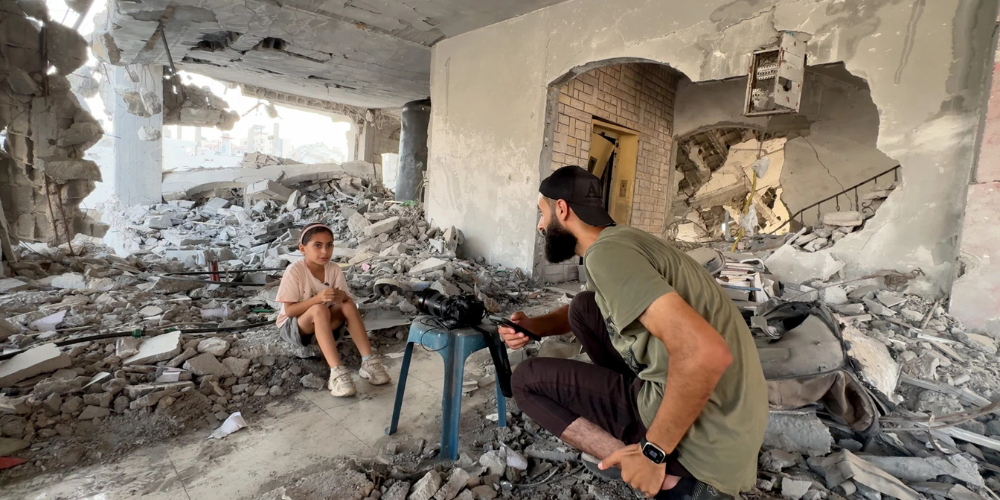
Following a screening of Disunited Nations (Christophe Cotteret), Albanese is slated to take part in a discussion on what FIFDH describes as international paralysis regarding Gaza. Elsewhere, the festival will present «Organising Resistance: Collective Action and Civil Society Mobilisation», including From GAZA with LOVE, a project led by Villa that gives voice to children in Gaza, and a Forum titled «Gaza: Resisting, Bearing Witness, Creating», which will showcase short films by Gaza-based filmmakers produced by Rashid Masharawi as part of From Ground Zero +.
Climate and labour politics also feature prominently. A Forum on citizen action will follow the international premiere of The System (Joris Postema), while Portuali (Perla Sardella), focused on dockworkers in Genoa engaged in trade union struggle to disrupt the global arms trade, anchors a Forum with Haenel and novelist and human-rights activist Sarah Schulman exploring solidarity as a politically situated practice. Additional titles cited in the programme include Mailin (María Silvia Esteve), Black Water (Natxo Leuza) and A Fox Under a Pink Moon (Mehrdad Oskouei and Soraya Akhlaghi).
On the industry side, FIFDH’s professional Impact Days will again support films in development by shaping impact strategies and pathways to change. A new «Impact Spotlight» section will present the European premiere of Yurlu | Country (Yaara Bou Melhem), the international premiere of Molly vs the Machines (Marc Silver) and Traces (Alisa Kovalenko and Marysia Nikitiuk). The festival closes on 15 March with Denis presenting her latest film The Fence as a Swiss premiere, followed by a Denis retrospective at Cinémathèque suisse from 17 March.
Find the complete FIFDH programme – HERE