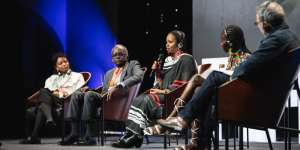
Geneva hosts a dense ecosystem of human rights institutions and civil society actors, with #FIFDH positioning documentary cinema inside that environment. At the opening of the 2026 #Impact Days# annual «Impact Filmmaking for Social Justice» webinar on 15 January, 2026, festival co-director #Laura Longobardi# described film’s capacity to «open our eyes, our hearts» to experiences that policy discourse can keep abstract. Longobardi situated the program in a broader political context, describing FIFDH as «a space of resistance» and linking the festival’s approach to collective durability, since «creating communities» offers «a resilient way forward.»
Sophie Mulphin, representing strategic communications and the NGO program, introduced the webinar’s focus, «Do Yourself a Favour – Choose the Right Team!» and posed its thoughtlines. Mulphin asked how to define impact producing, how impact goals shape collaborators and tactics, how campaign design responds to rapid change, and how teams approach fatigue over long timelines.

Naming the field
Advocacy and campaigning strategist Ishtar Lakhani, speaking from #Cape Town#, proposed a framework for understanding how documentary and organising practices interact. She distinguished between affect and effect. Affect refers to film’s capacity to move audiences emotionally. Effect refers to the operational work that can change conditions through organising, budgets, logistics, and institutional pressure. Lakhani described impact as «the mixing of affect and effect.»
Lakhani also discussed a common outcome of documentary circulation. Films can generate a strong audience response during screenings, but there is limited follow-through once people leave. She presented impact work as a design problem that involves translating audience engagement into pathways for participation and action. «Campaigning is a skill. It’s a muscle. And what do we know about muscles? That, unless you go to the gym and exercise them, they atrophy,» she says.
Communication and outreach manager for Documentary Africa, Prince Odera Onyore Nyambok II, speaking from #Kenya, defined impact-producing in terms of coordination and stewardship. He described an impact producer as the person who holds the campaign strategy and budget while convening partners around shared goals. He summarised the role as «the person who takes the affect and turns it into effect,» connecting Lakhani’s conceptual distinction to a practical job description.
«You have no foundation for social change unless you have interacted with the main community.»
Strategy under accountability
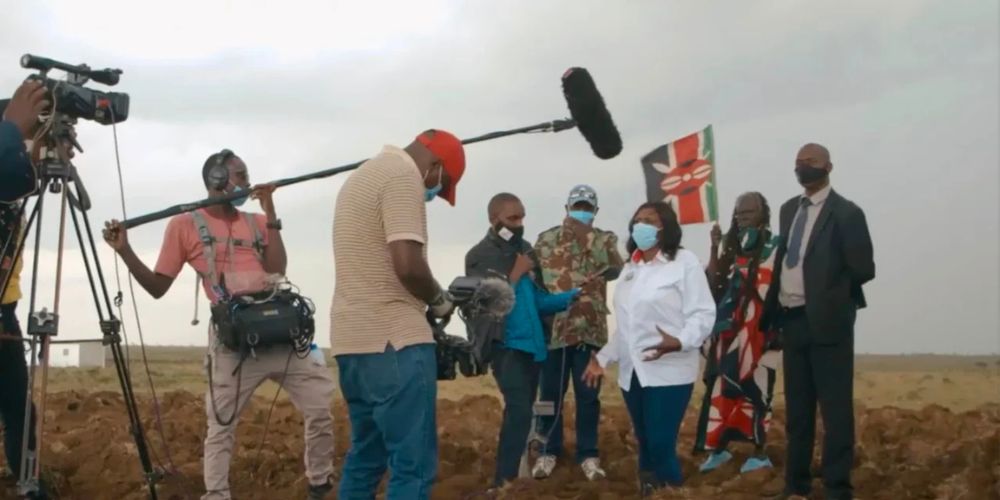
Nyambok used the film Our Land, Our Freedom as a case study. The project addresses colonial distortion of Kenya’s anti-colonial struggle and the framing of freedom fighters within British narratives. Nyambok argued that impact work benefits from early integration with a project’s development process, since many ethical and strategic decisions occur before release.
A central element of his approach involved community engagement at the start of a campaign. He described screening the film with protagonists and with communities represented, then seeking guidance on objectives and direction. «You have no foundation for social change unless you have interacted with the main community.»
Nyambok also emphasised time as a practical and ethical factor. Documentary production spans extended periods, and conditions can change during that span. He described a process of returning to protagonists and communities, then adjusting goals and tactics in response to current needs and risks.
The discussion then shifted toward campaign architecture with Lakhani presenting a planning tool framed as «think, feel, do.» She described it as a method for specifying outcomes across cognition, emotion, and action. Think refers to the information and framing that should stay with audiences. Feel refers to an intentional choice of emotional register. Do refers to a pathway for engagement that can channel audience energy into participation.
Lakhani addressed common default assumptions about emotional outcomes. «We immediately go to where we want people to feel outraged and angry,» she said, then discussed a broader range of emotional registers that can support impact goals. She referenced surprise, curiosity, empathy, and hope as options that can influence the kinds of partners a campaign involves, the language it uses, and the audiences it reaches.
Mulphin asked how campaign strategy responds to volatility across politics, platforms, and funding. Lakhani emphasised team design and critique as planning practices, recommending diverse skills and sectors, early stress testing, and flexibility in response to changing conditions. Nyambok discussed pilot phases as a period for listening, mapping venues and allies, and assessing risk. He also noted that pilots can show that certain goals have already gained traction through community uptake.
On fatigue, Lakhani critiqued awareness as a limited objective. She characterised «Raising awareness» as «step one,» then discussed measurement and indicators as tools for monitoring progress and maintaining morale. Nyambok described relationships and feedback from protagonists and communities as a sustaining factor, emphasising the importance of keeping campaign language and decisions accountable to those most affected.
An audience question addressed ethical challenges in transnational filmmaking and the risk of reproducing extractive dynamics through impact strategy. Nyambok’s response focused on process, continued engagement with protagonists and communities, and alignment of objectives with community-defined needs.
After the main panel, Lakhani presented Rogue Union as a platform addressing skill development and practitioner isolation through training paired with communal practice, including campaigning, futures thinking, and hope-based communication. «We need a space where we all can come together, regardless of our issues, regardless of whether we identify as activists or not,» Lakhani describes the platform’s mission.

Discovery, access, connection
Michelle Plascencia then presented the Global Impact Producers Alliance as a network «strategically harnessing the power of storytelling for social and environmental change.» She highlighted a public directory with «profiles of over 200 impact practitioners around the world,» organised through searchable fields such as location, language, issue area, and expertise, with direct contact options. Plascencia described the directory as a practical response to late-stage hiring and reliance on informal networks, encouraging earlier collaboration in project development.
Across the session, speakers returned to a shared emphasis on early planning, community engagement, and infrastructure that connects documentary circulation with sustained social change work.