The conventional image of the intrepid war reporter abroad and under fire that is typical of classic documentaries disguises a power imbalance in the structure of global journalism today, as activists and fixers on the ground in closed, risky locations often now shoulder much of the risk for a fraction of the credit for the reportage of Western outlets.
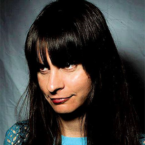
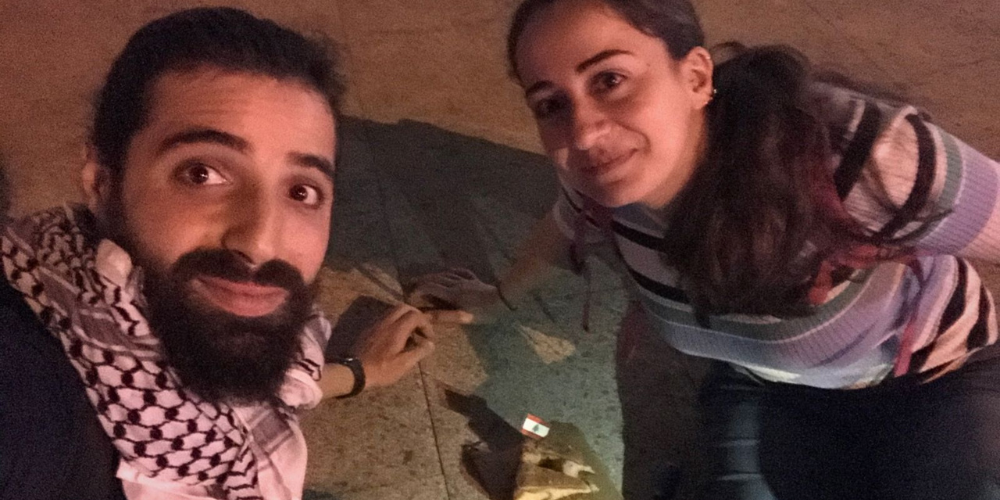
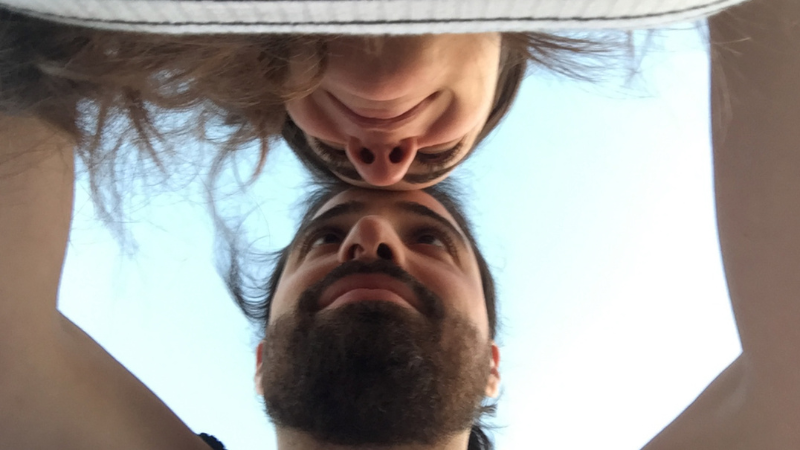
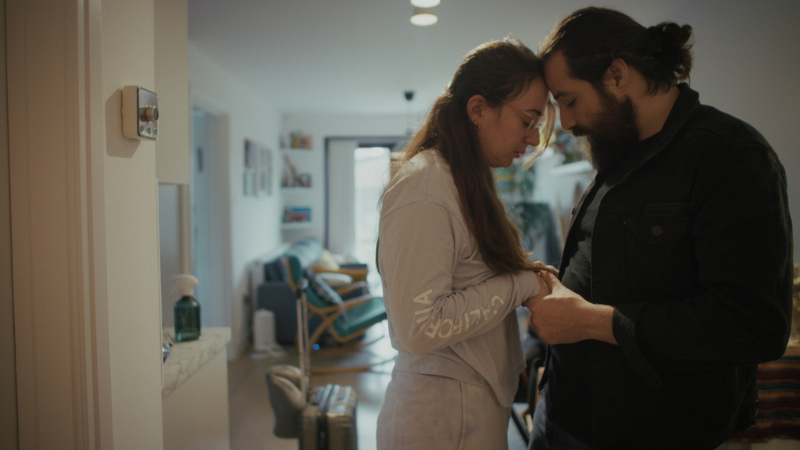
Birds of War, which came away with the World Cinema Documentary Special Jury Award for Journalistic Impact when it premiered at Sundance, and which screens in the International Competition of the Thessaloniki International Documentary Festival in Greece, places that dynamic of unequal and not always mutually beneficial collaboration front and centre. It is co-directed by Janay Boulos and Abd Alkader Habak, a Lebanese journalist based in London and working for the BBC, and the Syrian activist and cameraman who was sending footage he had taken inside Aleppo to the news organisation for use in their reports. Their relationship has evolved over more than a decade from a transactional one into romance and marriage, and a shared life that is still without a stable home, but is underpinned by a joint passion for reporting as a potent means of resistance and change.
As revolution stirred
Boulos was employed in the BBC offices in 2016 when she tried to connect with sources inside Syria, dictator Bashar al-Assad having banned international journalists from reporting there as revolution stirred. At first, she didn’t even know Habak’s name when he started sending her images of what was happening around him in Aleppo — evidence of the realities there that he was committed to showing the world. Boulos, who had left Lebanon to study journalism, realised that entering the media profession at home would mean pressure to become a mouthpiece for a political party, and is also an idealist who believes in the power of journalism but is quickly disillusioned with how things work in London. She feels guilt over the grave dangers Habak faces daily while out with his camera, sourcing stories for her, while editors restrict her fieldwork to royal events or fluff pieces. Habak’s stories, from citizens growing their own food on rooftops to survive the siege, to the chaotic aftermath of a suspected chemical attack in a hospital, are snapped up by the BBC, and as the pair connect regularly to discuss coverage and matter-of-fact requests for angles, a personal bond starts to grow, which we see in the tentative and sweet voice notes and text messages that appear on-screen between these independent figures — or «birds» as they call each other affectionately — who have both branched out from their families to document the struggles of their region.
…this only deepens the problematic profiting of the Western media from his work.
When a photograph of Habak goes viral around the world in 2017 of him running with a wounded Syrian boy in his arms to safety after a bomb hit an evacuation convoy on the outskirts of Aleppo, and he is lauded as a «hero» for setting his camera aside to help, this only deepens the problematic profiting of the Western media from his work. He regards these as typical actions within his anti-government activities in Syria, and he does not do them for praise. The papers abroad get sensational spreads from the photograph — but the attention only increases danger for him, pushing him to have to sneak over the border into Turkey after he learns that Islamists in Idlib, upset over the publicity, have decided to target him. Meanwhile, anxious concern for Habak has over-ridden any interest in saleable content for Boulos.
Even after Boulos, a Christian, married Habak, a Muslim, they gradually began to make their families aware of their relationship. The United Kingdom remains a suspended no-man’s-land between their insecure and oppressed lands of origin, where they are together as they explore thorny notions of freedom and grapple with exile, missing their homelands and being temporarily absent from the nucleus of struggles on the ground.
No simple answers
This is a documentary that offers no simple answers to the uneasy coexistence of the hunger for media content and the exploitation of the oppressed’s pain for monetised attention, and the urgent drive to circulate the truth as widely as possible through the reach of huge news corporations. But, as Habak describes his joy and appreciation of feeling truly seen by Boulos as a person, rather than as merely a source or a story, and as Boulos leaves her job to reconnect with a Lebanon that is also on the brink of revolution as civil protests erupt in 2019 and to find new roads to more meaningful reporting and image-making in her own career, genuine connection around a common sensibility and political commitment emerge as an antidote of sorts for the capitalist profit motive and neo-imperialist capabilities around networked information transmission.