

-
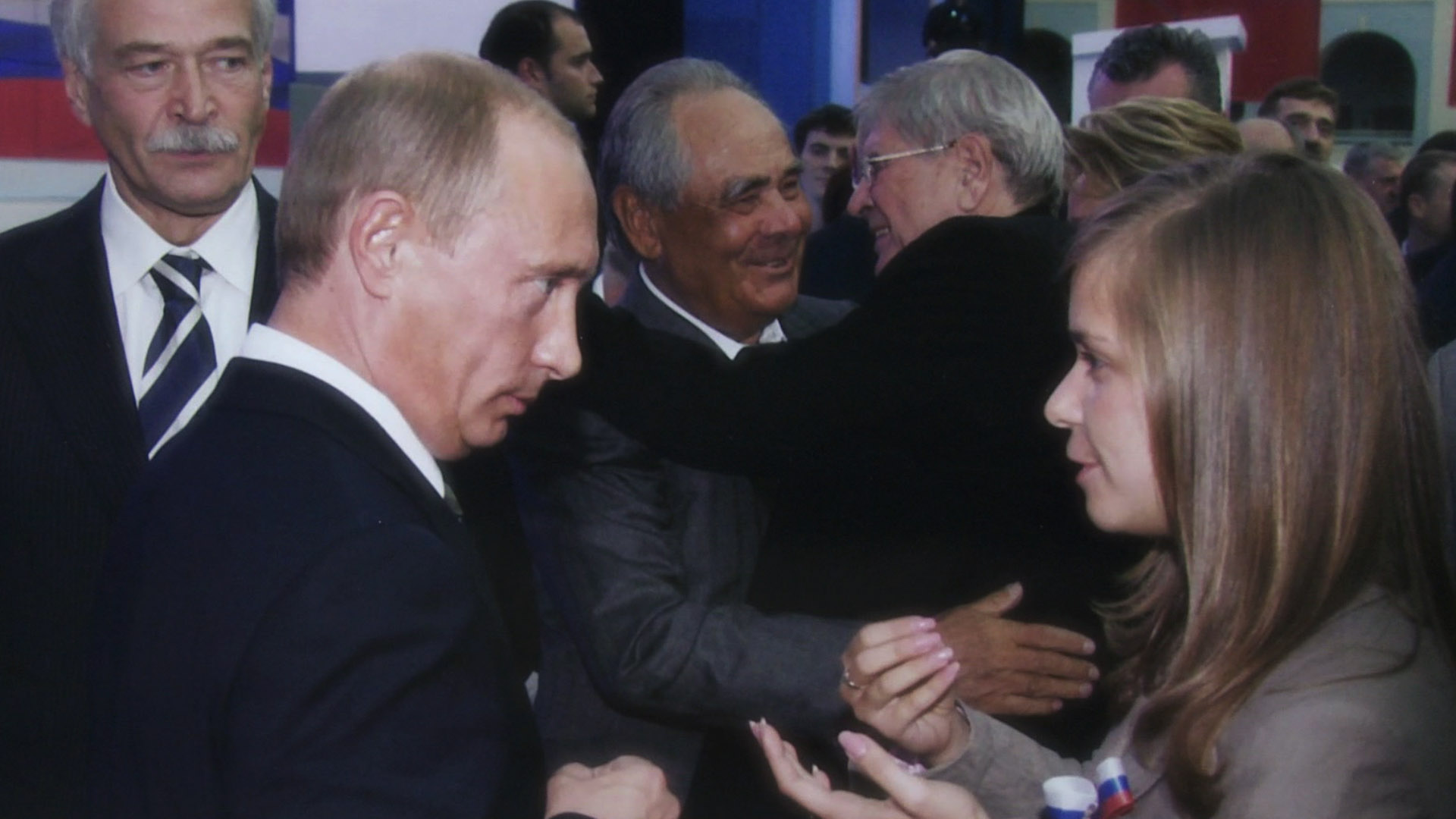
With us or against us
Putin’s Kiss is an interesting look at the Kremlin-loyal youth party Nashi but the film does not get down to the roots and lacks reflection.
-
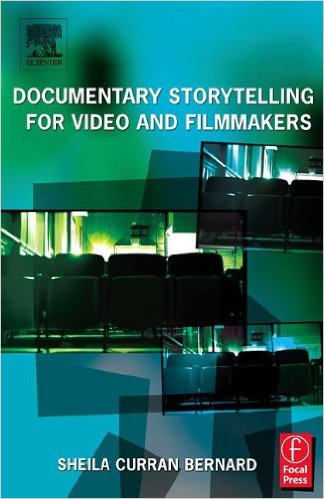
This is how to do it
Sheila Curran Bernard’s Documentary Storytelling is a wellstructured and easily read book on how to create a documentary. It just gets a little too banal and template-minded now and then.
-
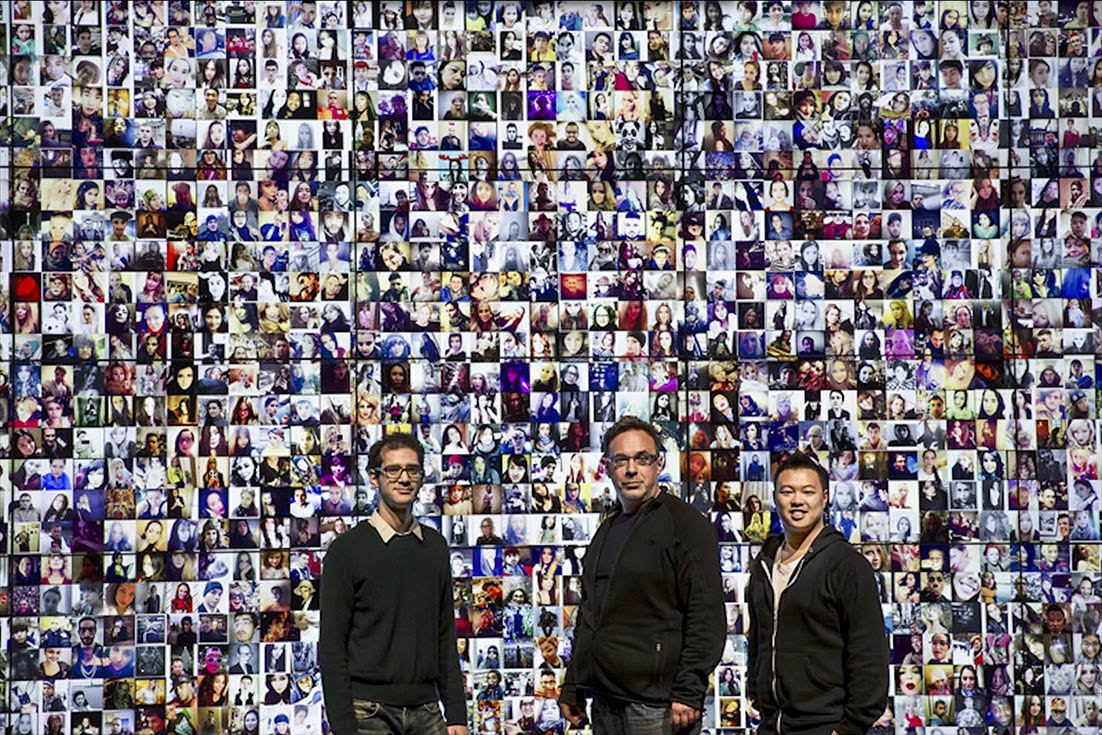
Gone is the “one screen” Logic
Vertov was no fan of fiction films. He considered them a kind of “opium of the masses” with their manipulative content and dreamlike scenes. Today, Perry Bard’s project uses him as an example of how digital culture can transform and recreate the film as medium.
-

The ongoing courage
The director’s artistic vision is to dress environments and surroundings with images of the women’s faces and eyes. To let the world know that they exist. It’s a visually energetic documentary about the power of images; but can an image change the world?
-
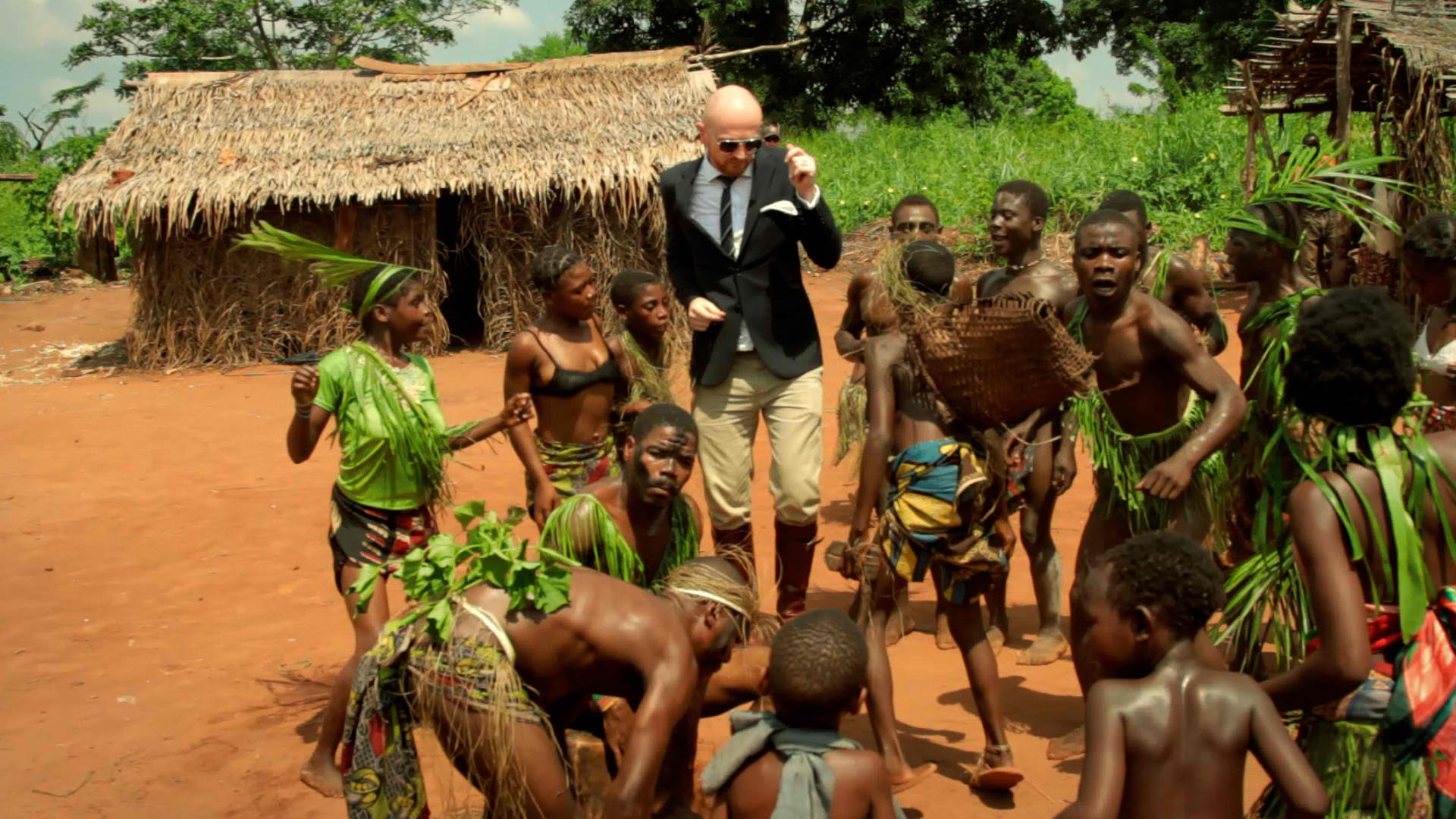
The obstacle of a self-appreciative personality
In attempting to break down stereotypical images of Africa, Mads Brügger’s latest documentary The Ambassador creates just another stereotypical image.
-

Karoline Frogner: Genocide
Director Karoline Frogner tells DOX that she wanted to show how the women in Duhozanye rebuild their lives by taking care of the orphans.
-
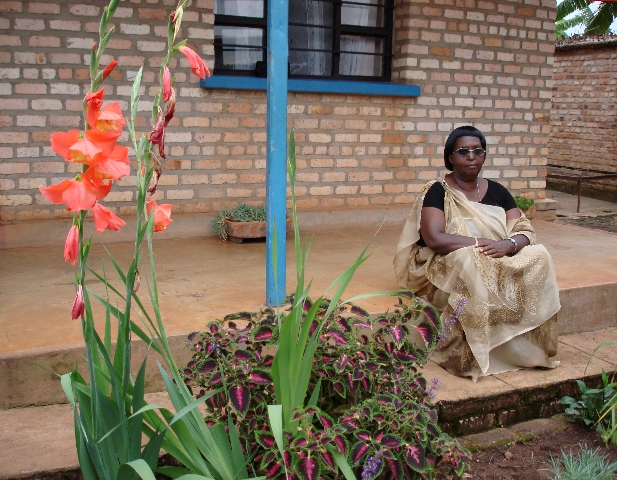
Very sad stories
With Duhozanye – The Widows of Rwanda Katrine Frogner has created a brutal and very hard-towatch film. Additional scenes depicting everyday life in Rwanda today would have created a better, more balanced film.
-
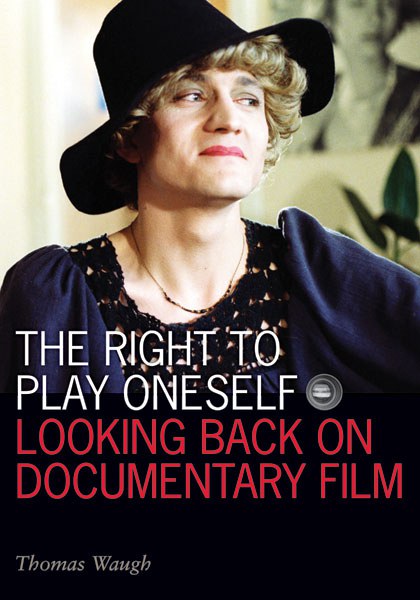
New connections, new methods, new thoughts
Book critique: Thomas Waugh’s book essays show a firm believer in activist media and a strong film scholar who never lets go of his curiosity and the importance of linking scholarly definitions to useable critiques.
-

Nordic panorama: In a cubicle
Two films dealing with political topics in a very non-political way drew the attention of critic and jury member