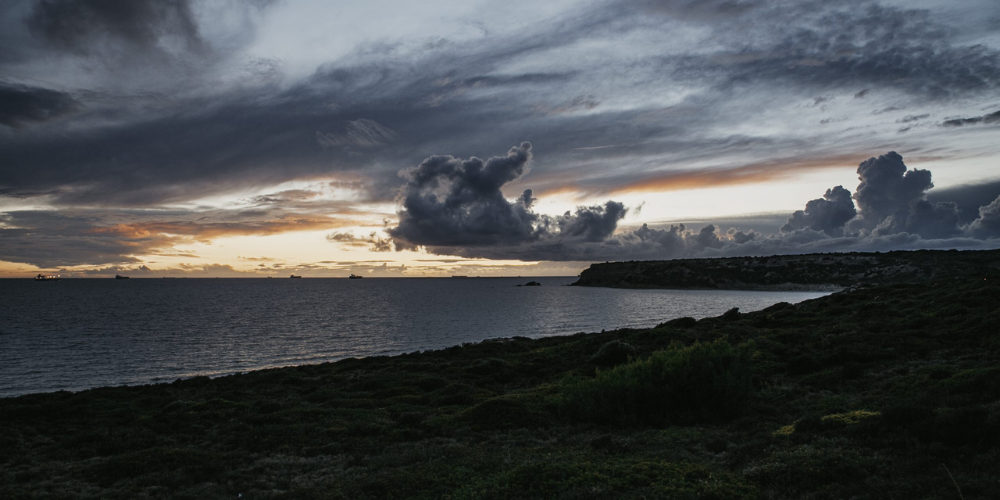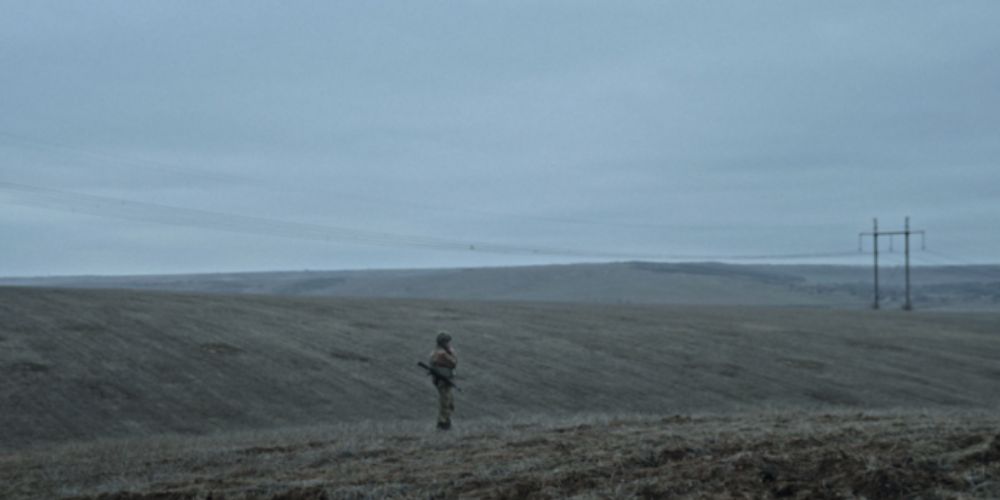
The national competition program DOCU/UKRAINE at the 22nd edition of #Docudays UA# (6–13 June 2025) will present five critically acclaimed documentaries that reflect the rapid evolution and growing global presence of Ukrainian cinema. These films, already recognised at major international festivals such as Cannes, Venice, Berlinale, and Visions du Réel, return to Ukrainian screens with renewed urgency and emotional depth.
In recent years, Ukrainian documentaries have become regular fixtures at top-tier festivals, a milestone that once seemed improbable just a decade ago. This transformation has sparked vigorous debate among critics and scholars about whether Ukraine is experiencing a true «film wave.» Some embrace the term, seeing in it a vibrant movement of national cinema. Others remain sceptical, pointing out the still-forming aesthetic coherence and identity of this new body of work. Still others challenge the idea altogether, questioning whether the concept reflects genuine local development or is simply a product of the international festival system’s framing.
What is clear, however, is that Ukrainian documentarians are crafting a powerful and necessary cinema—one shaped by urgency, intimacy, and a deep reckoning with historical and political rupture. As Docudays UA program director #Yulia Kovalenko# writes in her curatorial article, these films resist #fatalism, instead exploring struggle as a sustained, subjective process.
DOCU/UKRAINE 2025 featured films
Timestamp by Kateryna Hornostai, which premiered at the #Berlinale, captures the fractured rhythms of wartime schooling through a mosaic of offline and online classroom scenes set in both the rear and frontline regions.
My Dear Théo by Alisa Kovalenko, nominated for the Dox:Award at #CPH:DOX, is an intimate audiovisual letter to her son, Theo, in case she didn’t return from the front. Through video diaries and correspondence, it offers a deeply personal archive of love, memory, and maternal care under threat.
In Limbo by Alina Maksymenko, which premiered at #Visions du Réel# 2024, functions as a cinematic diary of her family’s displacement and survival, addressing themes of home, resilience, and the emotional costs of war.
Songs of Slow Burning Earth by Olga Zhurba, first shown at the Venice Film Festival, uses sound, silence, and fragmented imagery to portray the normalisation of war over two years of Russia’s full-scale invasion, transforming documentary into a kind of sonic elegy.
Militantropos, co-directed by Yelyzaveta Smit, Alina Horlova, and Semen Mozgovyi, will premiere at #Cannes 2025. The film weaves together multiple perspectives—civilians, soldiers, refugees—offering a collective portrait of adaptation, resistance, and life among ruins.
Additional Screenings
Audiences unable to attend the Kyiv screenings can see Timestamp, My Dear Théo, and Songs of Slow Burning Earth at the >Mykolaichuk OPEN festival in Chernivtsi, which runs from 14 to 21 June.
For full programme details, trailers, and accreditation, visit the Docudays UA website.