KineDok, an established alternative film distribution platform since 2014, continues influencing documentary film screenings across Central and Eastern Europe. It has announced the launch of a comprehensive manual, «How to Set Up a Screening Venue,» which aims to guide individuals and organisations interested in organising film screenings in non-traditional settings.
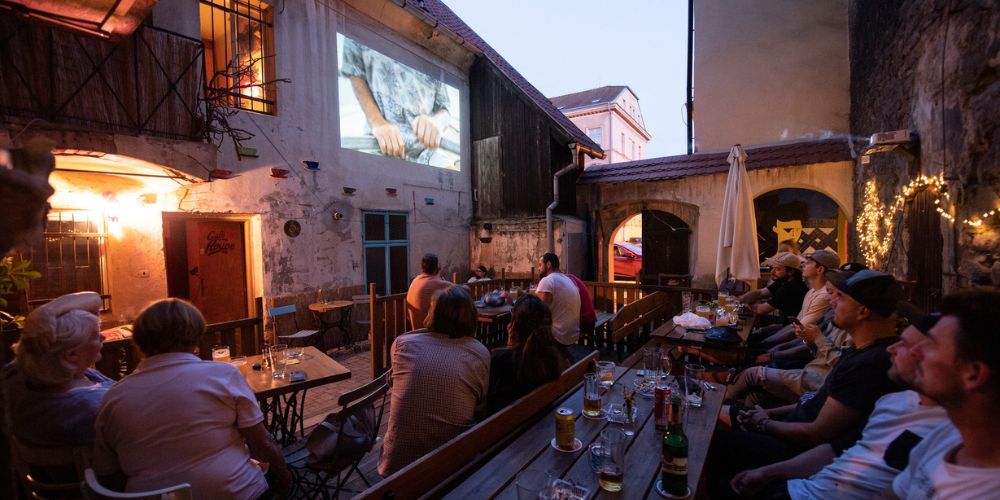
This manual is designed to be a foundational tool for those new to organising film events and a resource for students and experienced cultural event organisers. Edited by film curator #Hana Kulhánková#, it features ten chapters authored by contributors from KineDok’s network spanning six countries (Czech Republic, Croatia, Hungary, Slovakia, Romania, Georgia). On such a topic, KineDok has screened from some 200 untraditional venues across its network, including in galleries, coffee shops and on boats.
The chapters cover a broad range of topics essential to the organization of community screenings:
- Are Documentaries Documenting? – Authored by František Horvát, this chapter examines the nature of documentary films and discusses the interaction between filmmakers and audiences in shaping film content.
- Building Blocks of Your Community – Veronika Hanáková emphasizes the role of film screenings in community building and the active participation of audience members in such events.
- On The Diversity of Venues – Szirony Szabolcs explores the variety of possible screening locations, stressing the adaptability and initiative required to utilize unconventional spaces effectively.
- Navigating Technical Hurdles – Mariam Jachvadze addresses the specific challenges encountered in setting up screening facilities in regions with outdated infrastructure, particularly in Georgia.
- How to Pick the Right Films – Andreea Bratosin outlines criteria for selecting films that resonate with local audiences and support the goals of community screenings.
- Continuous Communication with the Audience – Mária Hejtmánková discusses effective communication strategies to enhance engagement and event attendance.
- Dear Audience: Who are you? – Dina Pokrajac focuses on audience analysis and engagement, which are crucial for tailoring programming and promotional efforts.
- Film Screenings under Pressure – Mariam Jachvadze comments on the external pressures facing the film community in Georgia, reflecting broader challenges in cultural policy.
- Too Cool for School: Building Young Audiences – Dina Pokrajac shares experiences from youth-oriented educational programs that integrate film education and participation.
-
How to Join KineDok – This chapter provides a practical guide for integrating into the KineDok network and starting a community cinema initiative.
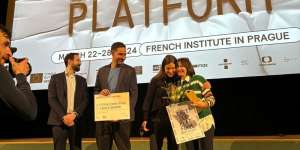
The manual was introduced last month coinciding with the East Doc Platform, an event focused on the co-production, financing, and distribution of documentary projects in the region. Now, the manual is available for free download in a digital format, ensuring wide accessibility for those interested in community-driven film distribution initiatives.