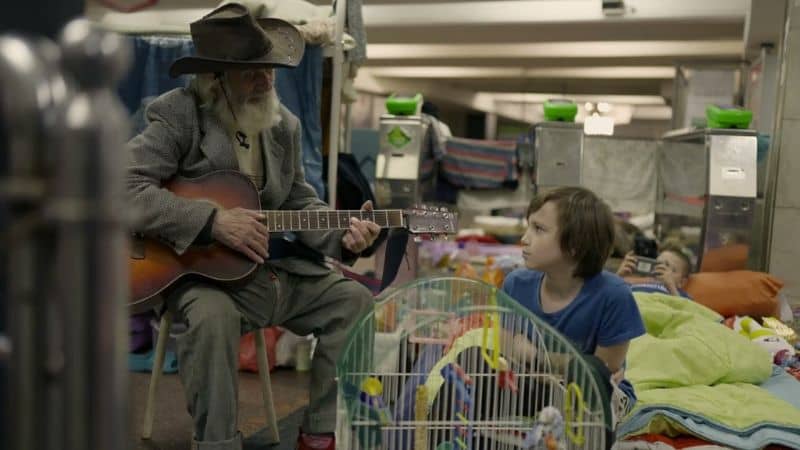
In the first moments of the docufiction Photophobia, the sudden, nearby whistle and boom of an airstrike sounds on a street in the Ukrainian city of #Kharkiv. Workmen who have been there attempting to contain the damage to wires and plumbing in the smoking debris of a building, another recent point of shelling impact, run for cover. The random unpredictability of attacks from Russian forces means efforts to keep infrastructure functioning cannot keep pace with the heavy weaponry that is wreaking destruction in the ongoing war. What is more, it makes just being out in the open risky for survival. Above ground has become largely unlivable for citizens near the front line — and as a result, many have moved underground. A metro station now serves as a bomb shelter in Photophobia, shot in the spring of 2022, and as a makeshift home for the Kharkiv residents and their pet cats and dogs who have been holed up there for weeks. Their everyday lives have been frozen to a standstill, and their futures are in grave uncertainty, as Russia’s invasion of Ukraine shows no sign of abating, and explosions keep hammering the city and the housing they have fled. The hybrid film from Ivan Ostrochovsky and Pavel Oekarchik, whose previous features include Velvet Terrorists (2013), about attacks against the #Communist regime in ’80s Czechoslovakia, opened the Movies that Matter festival in the Netherlands. It takes us inside a surreal underworld, where hastily packed belongings are piled in bags between bedding in rows on subway platforms, and families cook what scant food resources they can get on portable stoves by ticket turnstiles. Children pass the days here away from direct sunlight or familiar schedules, grappling with #depression and confusion in a city turned upside down, uncounted wartime casualties of a faceless but relentless imperialist aggression.
Starved sunbeams
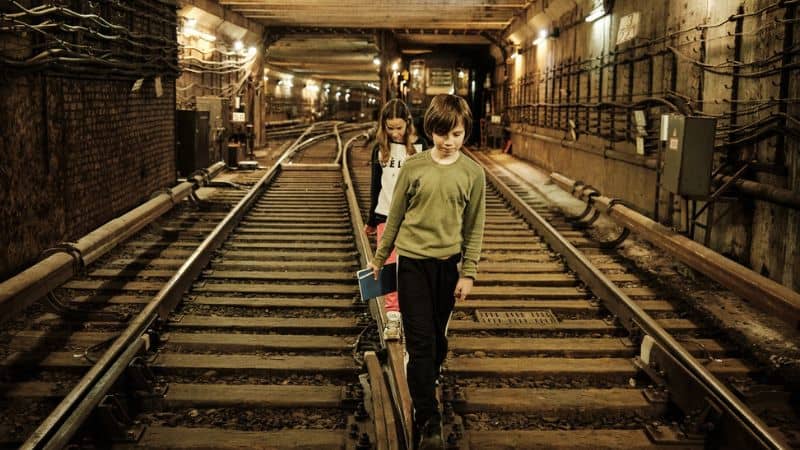
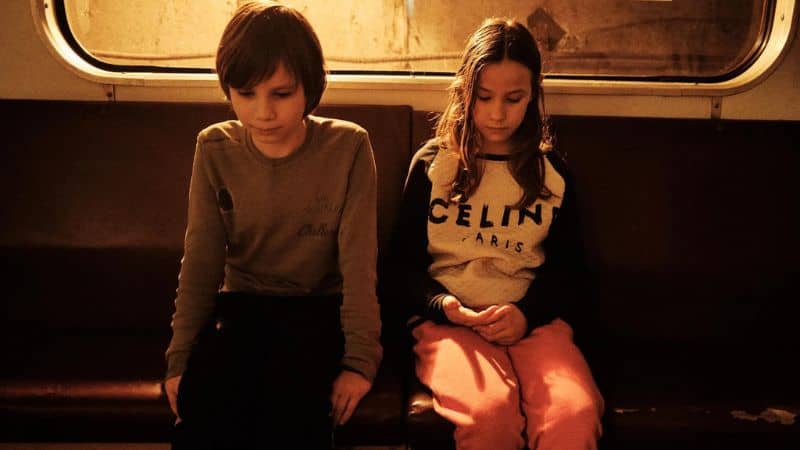
In perhaps the most poignant scene of Photophobia, 12-year-old Nikita ignores the adamant instruction of his mother to stay inside the safety of the station and edges with his new friend Vika into a sunbeam that has bathed the steps leading out of the metro with a warm light that is full of both the natural vitamin D they have been starved of and a more intangible kind of hope. Even simple exposure to sunlight can no longer be taken for granted. When his mother asks her husband if the children will remember this stay underground, where they are camped out in a metro carriage, it is clear that the unspoken subtext of the question is really whether these traumatic weeks will irrevocably scar their lives. Doctors are on call, their availability announced over the station loudspeaker, but the earnest assistance they can offer is limited. Following advice from his medical appointment, Nikita starts keeping a diary, which may help him track time and his health, but there is no easy cure for the hardship of war.
Children pass the days here away from direct sunlight or familiar schedules, grappling with depression and confusion in a city turned upside down, uncounted wartime casualties of a faceless but relentless imperialist aggression.
Mobile phone communication allows some semblance of connection to remain, as Nikita texts with schoolmates (two have stayed with their families above ground), and homework continues remotely. But play on the out-of-use tracks offers little real fun or exploration, and angst at being stuck in a place far removed from fresh air and normality grows. Of course, the distress of the adults and the intimation that death, loss and other forms of suffering are the status quo in wartime are felt acutely by the children in an environment in which people psychologically breaking down is not an infrequent sight, and shared stories of harrowing things witnessed is a common means by which the more than a thousand residents packed into the station try to process together what they have seen. The #pandemic has hit, and days for Covid tests are also called out on the loudspeaker, adding yet another layer of anxiety and strangeness to an already unfathomable situation.
Still in the dark
An old-fashioned viewmaster is dug out, its slides offering reminders of an outside world that exists now in longing for the past. The filmmakers employ this as a formal device to show Super-8 imagery of an outside world at a hazy remove from the underground station, of citizens in an environment bearing the terrifying marks of war. Desperately painted signage announces that «people and children live here» from the early days of the full-scale invasion when it seemed such a plea might activate mercy. Play-acting in interviews by international reporters is another way to pass the time for the children, who have already become aware of the reality that the global media are less interested in the subsequent days of the war than they were in the first. Fast-forward to 2024, and their cynical observation is even more relevant. The war grinds on while the world becomes desensitised to it, and global attention is pulled in other directions. Photophobia is an emotionally affecting reminder not to leave these disrupted lives in the dark.