Africa
-
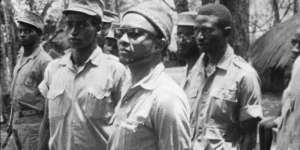
Amílcar
AFRICA: Built from original letters, poems, and political writings, Amílcar offers a subjective, meditative portrait of Amílcar Cabral and the fight for Guinea-Bissau and Cape Verde’s independence
-

The art of information
INTERVIEW: In his master class at Makedox, Austrian filmmaker Hubert Sauper exposed how to «write-in-movement», which literally means «cinemato-graphy». He also talked about political cinema and mental ecology. We met him for our in-depth film interview, especially about his last three films.
-
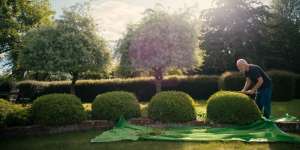
The Gardener, the Buddhist & the Spy
CONTROL: A corporate spy embeds with environmental activists, flips (sort of), and drags an asbestos empire into view. What follows isn’t a clean exposé but a knot of moral grey zones.
-
-
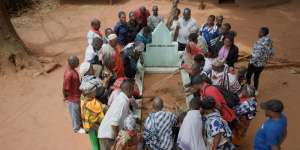
The Empty Grave
COLONIALISM: A Tanzanian lawyer’s quest to reclaim ancestral remains reveals the deep-rooted legacy of German colonial violence and systemic silence.
-
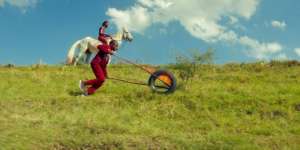
Ancestral Visions of the Future
EXILE: Blending docufiction and philosophy, Lemohang Mosese redefines home, exile, and human interconnectedness through Ubuntu and radical decolonial storytelling.
-
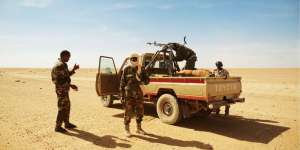
The destructive borders of European self-interest
MIGRATION: At the entrance to the Sahara, Agadez, Niger, reveals the human cost of EU migration policy.
-
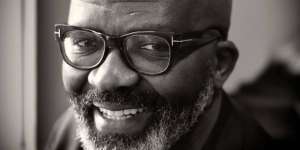
«African cinema today stands at a dynamic crossroads»
FILM AFRICA: In our conversation with Lead Curator Keith Shiri, we explore how this year's selection highlights evolving African cinema, amplifying voices while addressing funding and distribution challenges.
-

A million roses and coal
UKRAINE: The impact of war on three generations of women, blending personal stories, family archives, and historical parallels.