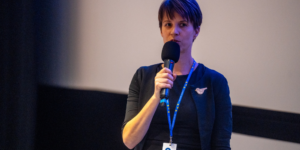
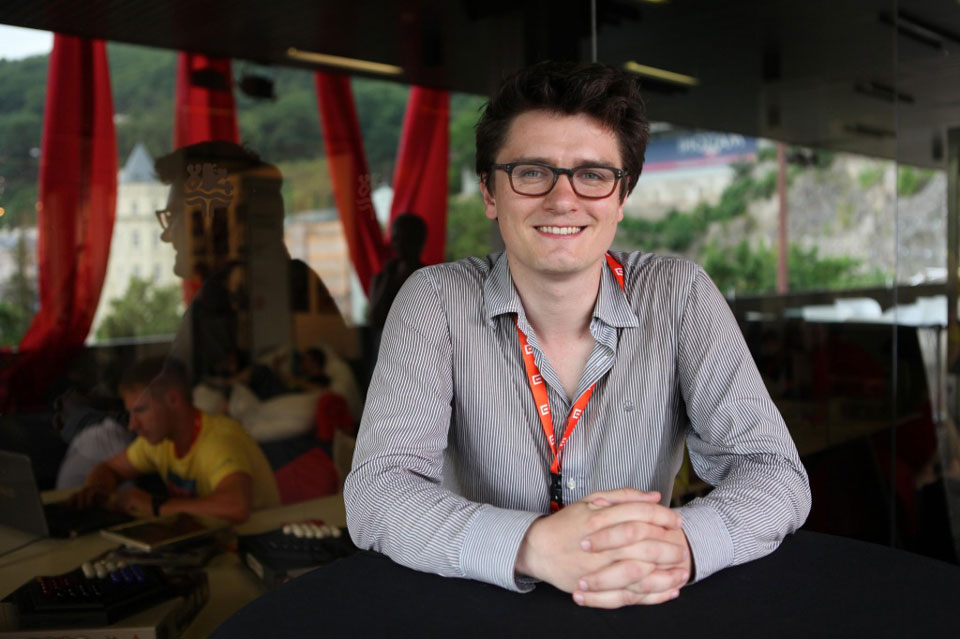
Marek Hovorka

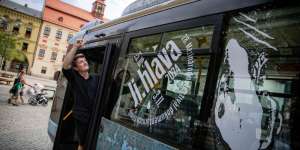
JIHLAVA: We opened all competitions to hybrid and fiction films with a documentary approach because many are inspiring and provoking – and we want to be inspired and provoked.
286 words

What is the focus of this year’s edition? Do you have a theme for the films selected in the festival this year?

We usually don’t work with themes because we feel they are reductionist for how rich documentaries are. But there are new sections and programs starting this year. For example, we opened all competitions to hybrid films and fiction films with a documentary approach, and we have three new thematic competitive sections called “Testimony” dedicated to films about politics, nature and knowledge. We also have also one special section for first feature length films.

Why these sections?

The section for first feature length films is a response to the fact that up to 70 % of European filmmakers will end up not continuing working and making a second film, so we want to support them start their career. And we opened all competitions to hybrid and fiction films with a documentary approach because many are inspiring and provoking and we want to be inspired and provoked.

What does the term movies that matter mean to you?

The role of the documentary filmmaker is to question things, in all circumstances. Generally it is problematic to be ideological, and in the case of filmmakers it is sure death. This is why we focus on very personal films, films that question the world we live, because by questioning and through reflection the world we live in can be changed.

What is the standing of documentary films, compared to ten years ago, and also regarding your festival?

Documentaries are influencing the whole audiovisual landscape these days – from fiction films to reality TV programs. It didn’t use to be like this.


Hovorka is festival director and head of programming at Jihlava International Documentary Film Festival

Bianca-Olivia Nita avatar

october, 2026

The latest magazine

Other interviews:

  • One World Slovakia: «Human rights do not become optional»
    INTERVIEW: Eva Križková, director of the One World festival in Bratislava, explains how the 2026 edition found its funding and why she finds the Fico government's declarations on national identity shameful.
  • Noor Abed: Small pockets of resistance
    PALESTINE: Palestine is one of the most documented lands and peoples. What can be different in filmmaking or art practices to have an impact? Using folktales, artist Noor Abed draws on stories of water wells, communal rituals, and women mourning, singing, and moving together across a landscape. Images that need to resist the history of colonial representation that was imposed on the Palestinians.
  • Inconvenient Films: «If you bring people who agree, you are talking to a mirror»
    INTERVIEW: Gediminas Andriukaitis on twenty years of Inconvenient Films, the Baltic region's only human-rights documentary festival, and building a programme around impact.
  • Laura Poitras and Rachel Lauren Mueller: «Hope? I call it resistance»
    INTERVIEW: Short in runtime, yet sprawling in its political scope. With They’re Here, Laura Poitras and Rachel Lauren Mueller assembled an uncanny hybrid of horror film and documentary from crowdsourced footage, OSINT data and material shot on the ground in and around Minneapolis during the ultra-violent ICE occupation.
  • KineDok: «Decentralisation is absolutely crucial»
    INTERVIEW: KineDok's Juliana Moska talks through a season built on decentralisation, and what changed since she and Walter Nagy took over the Czech programme this March.
Scroll to Top