With fourteen documentaries carefully chosen for their compelling narratives, the 64th Krakow Film Festival (26 May – 2 June) promises an exploration of untold stories, delving into the realms of political tumult, cultural upheaval, and personal strife without the need for thematic segregation.
Of Caravans and Dogs, directed by Askold Kurov and an Anonymous co-director, explores the perilous journey of Russian journalists fighting against censorship, epitomized by the noble efforts of the *Novaya Gazeta* team. Parallelly, Son of the Mullah by Nahid Persson provides a close look at the life of Ruhollah Zam, a journalist fleeing Iranian persecution, highlighting the extensive reach of authoritarian regimes.
Amidst the backdrop of geopolitical conflicts, 1489 by Shoghakat Vardanyan tells the heart-wrenching story of an Armenian soldier’s disappearance, blending individual tragedy with the collective sorrow of a nation. Tomasz Wolski’s “A Year In the Life of the Country” revisits the martial law era in Poland, challenging prevailing narratives and offering a multifaceted view of a society in turmoil.
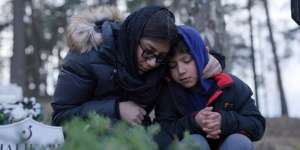
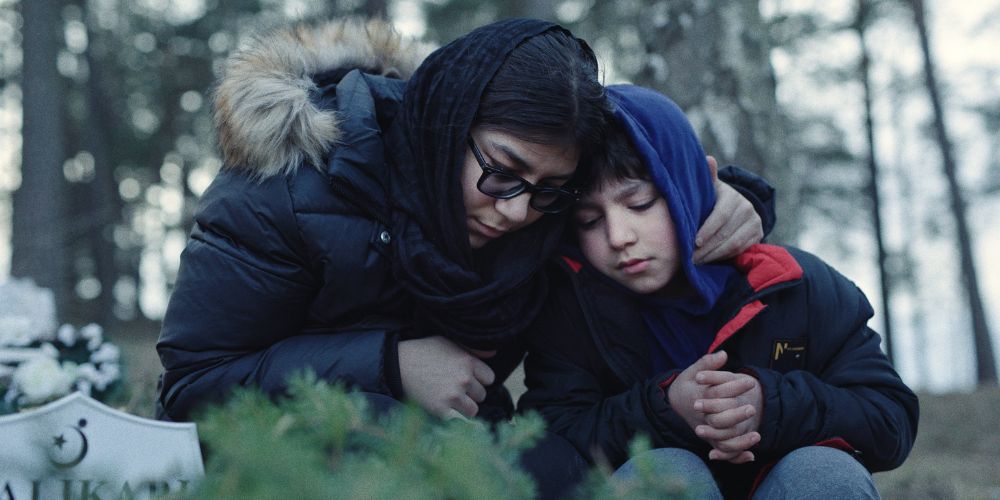
Films like Life Is Beautiful and Silent Trees, by Mohamed Jabaly and Agnieszka Zwiefka respectively, focus on the personal costs of displacement and conflict. Jabaly’s narrative unfolds as a tragicomic tale of displacement, while Zwiefka’s film follows the journey of a Kurdish family, highlighting the resilience and spirit of individuals in the face of adversity.
Oksana Karpovych’s Intercepted offers an unfiltered look into the war through intercepted Russian soldiers’ calls, juxtaposed against the backdrop of the war’s devastation, providing a poignant insight into the human aspect of conflicts.
The festival also embarks on intimate explorations of family and identity. The Gospel According to Ciretta by Caroline von der Tann delves into life in Naples, marked by struggle and resilience, whereas Johatsu – Into Thin Air by Andreas Hartmann and Arata Mori examines the phenomenon of individuals in Japan choosing to vanish, exploring themes of escape, reinvention, and the complexities of human connections.
Johanna Bernhardson’s The Andersson Brothers and Isabela Tent’s Alice On & Off navigate the intricacies of familial bonds and personal discovery. Bernhardson’s film delves into the reconciliation within a family marked by separation, while Tent’s documentary portrays a young woman’s search for identity amidst chaos, emphasising the festival’s engagement with deeply personal narratives.
Additionally, the festival doesn’t shy away from reflecting on broader societal issues through films like Inheritance, Baldiga – Unlocked Heart, and Monogamia, each addressing the impacts of societal challenges such as the opioid crisis and the AIDS epidemic on personal and collective levels.