What is the focus of this year’s IDFA? Do you have a theme for the films selected in the festival?
IDFA aims to present a wide array of documentaries, from small and personal stories to epic dramas. We do have smaller thematic focus programs such as “Shifting Perspectives”, this time about the Arabic perspective in film, a lustrous program called “The Visual Voice”, a series of films and talks on camerawork called “Camera in Focus”, a “Top-10 guest” – this year the guest is Jonathan Harris from the field of New Media.

This year IDFA celebrates its 30-year anniversary, and this makes it a special edition, as founder Ally Derks is leaving the festival after three decades at the helm. However, the basis for the selection is the quality of the films, rather than one preconceived theme. We intend to focus on a growing diversity in all respects and find the new talents.
Why this approach?
We take this position to promote the cinematographic documentary. Seeing docs has become much easier now than it was 10 or 20 years ago: TV, VOD and the web have taken the role of showing docs. This is a very different situation than when IDFA started 30 years ago, when there was virtually nothing of this kind. And still, TV is often limited to the 50-minute slot, and caters to a different level of concentration. The cinematic experience is something that many filmmakers aspire to, and for good reasons: one works on film to create a memorable experience, not just to transfer information.
What do the term “movies that matter” mean to you?
All good movies matter.
What is the standing of documentary films now, compared to ten years ago, and also regarding IDFA?
One of the areas that developed a lot is IDFA DocLab, a New Media program with exhibition, conference and competition, and IDFA was one of the first festivals to take this seriously 10 years ago.
And in general, docs are hot now, so to speak, and that is reflected in the growing number of visitors. With 280,000 visitors last year, we were at an all-time high, and the venues we use cannot really absorb much more than that. And first and foremost the audience has to be able to digest the program, and select from 300 films and New Media Projects.
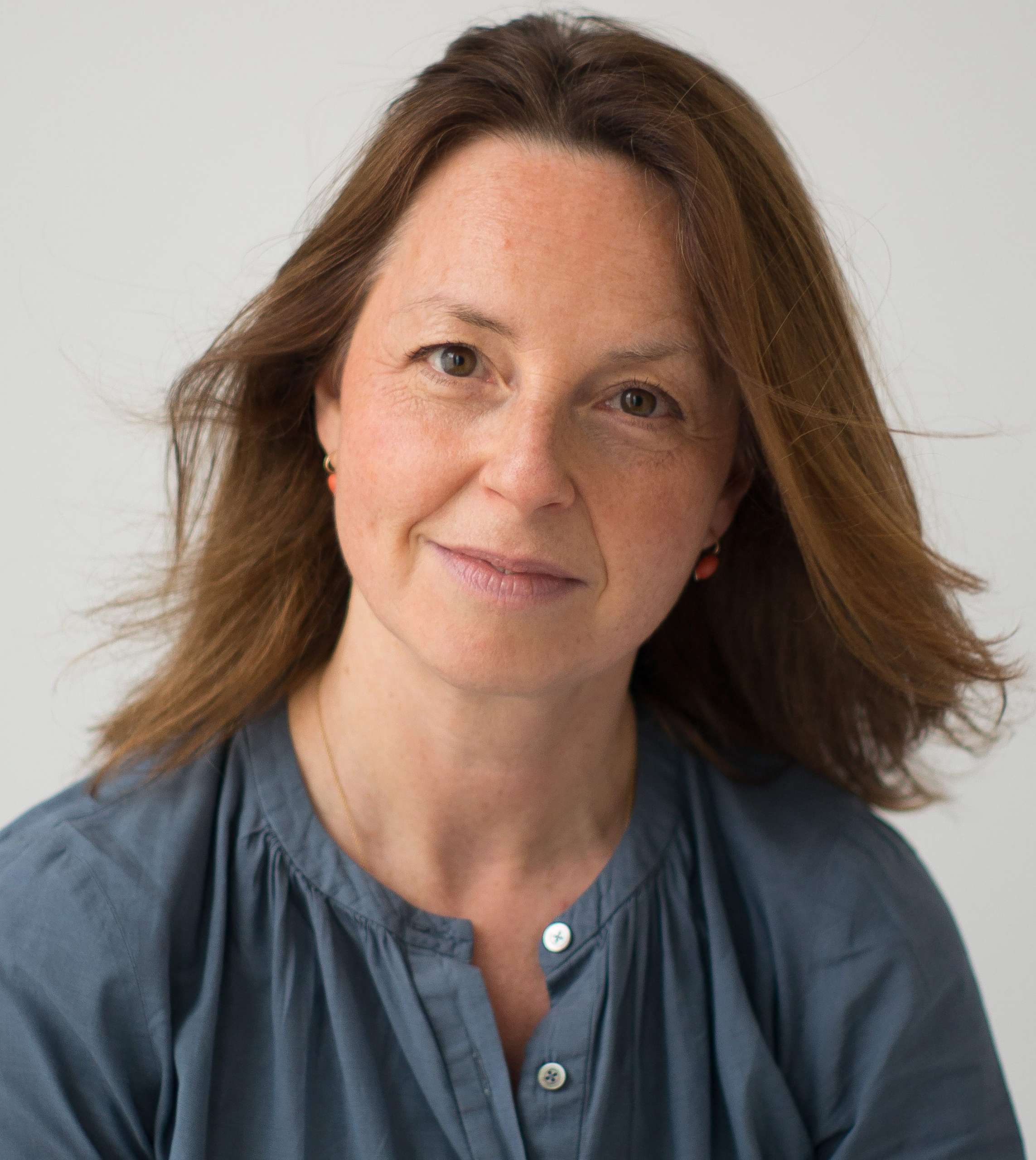
Visser is Artistic Director at IDFA