What is the focus of this year’s edition of DocLisboa? Is there a theme for the films selected in the festival?
DocLisboa does not centre on themes. The program has sections, retrospective and focus sections, but they are not linked to a larger theme.
This year, we present a full retrospective of Czech filmmaker Vera Chytilová, and a thematic retrospective entitled Another America – The Unique Cinema of Quebec. We also host an exhibition by Sharon Lockhart, gathering her photographic work and her films with children in Poland, and a side program on Andres Veiel, with 3 films that look at different artistic processes.
Why these and not others?
Vera Chytilová is a major figure in Czech cinematography and a surprising filmmaker, and we find her work inspiring and important.
The retrospective on Quebec cinema covers a period from 1955 until 2016, and it’s a showcase for a filmography full of diversity, with filmmakers largely unknown to the European audiences, but that opened new ways for film and documentary.

Sharon Lockhart is a very interesting artist working on the connection between cinema and visual arts; and Andres Veiel presented Beuys in the Berlinale this year, and that is a good “excuse” to look at his other films.
What does the term movie that matter mean to you?
I believe that we should understand our times by questioning the idea of contemporaneity while understanding both past and present. How do films resonate with each other and with us over time? The movies that matter are the ones that somehow point to a problem in the present, but connect to the history of cinema, and offer a singular perspective on cinema and filmmaking.
What is the standing of documentary films now, compared to ten years ago, and also regarding your festival?
There is now more diversity in production styles, and that has consequences on the films, on their themes, forms, experimentation. Audiences are much more used to recognizing documentary films as art. Therefore, they are more demanding, but also more able to link contemporary films to the history of cinema. This means that it is easier now to take risks, especially for us, programmers.
Doclisboa has been growing in number of guests and premieres, and we believe that it is because we are consistent in defending diversity, matching films with audiences, surpassing the rules of the mainstream market.
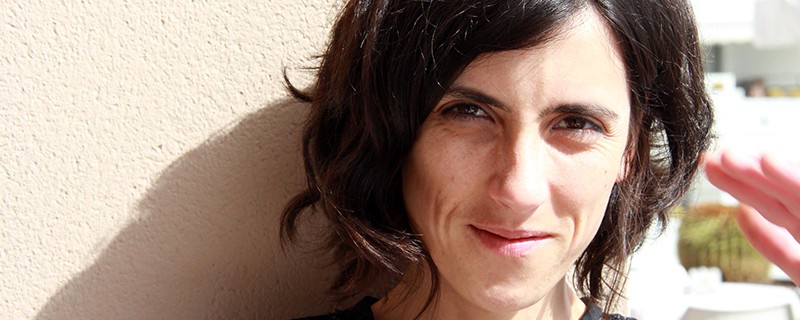
Gil is Co-director at DocLisboa