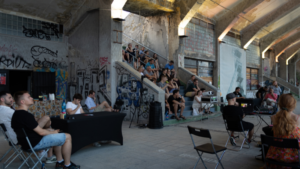
Nestled in the charming fishing town of Akranes, just a scenic 40-minute drive from Reykjavik, #IceDocs boasts a breathtaking setting with its majestic mountains and serene sandy beaches. Beyond captivating film screenings, IceDocs offers an exciting array of activities: live music, pub quizzes, beach parties, industry events, and a dedicated youth and children’s programme.
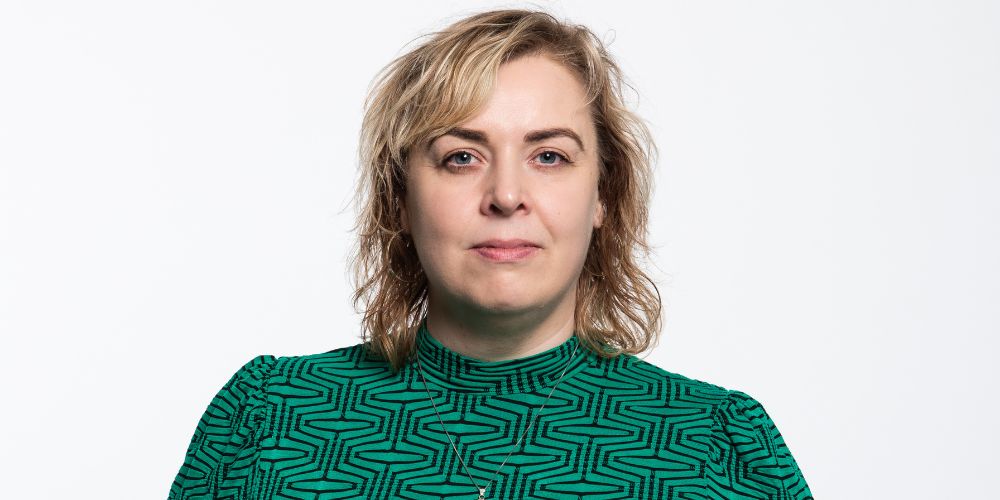
With the sixth edition of IceDocs kicking off this week, Modern Times Review spoke with its Festival Director Ingibjörg Halldórsdóttir on her background, Icelandic documentary aesthetics, the festival’s choice of location, and more.
The festival is meant for networking and fostering real connections.
Why is IceDocs not held in Reykjavik?
There are several reasons for this. One reason is the proximity to where I live. I live in the countryside near the town where the festival is held. I had been working a stressful job in Reykjavik for a long time, driving back and forth, and I was tired. One of my biggest conditions for the festival was that it needed to be in my own town so I wouldn’t have to drive anymore.
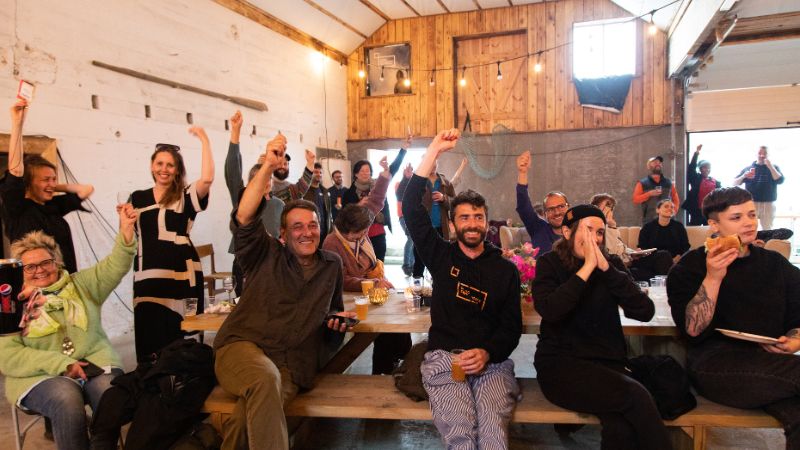
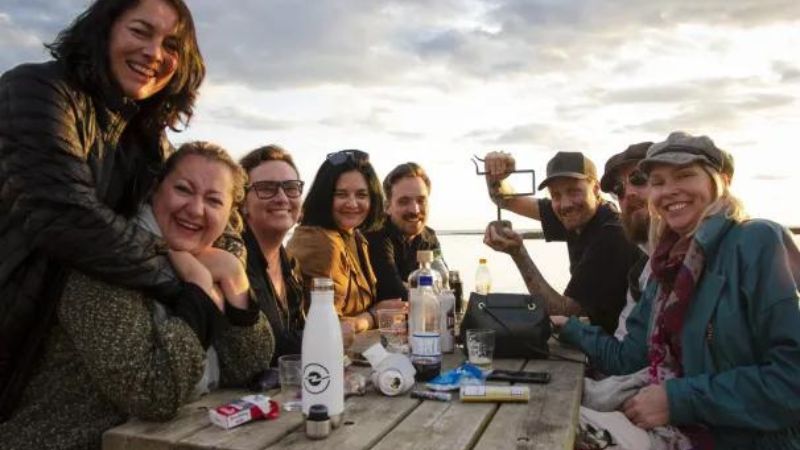
Additionally, this aligns with the festival’s ideology. We want to create a village-like atmosphere where people can meet and are essentially «stuck» with us for five days. In a smaller village, there’s little chance for attendees to leave the festival area, whereas in Reykjavik, people are more dispersed and don’t meet each other as much. The festival is meant for networking and fostering real connections.
A small town is very suitable and great for this, and it has a beautiful old cinema close to the beach, creating a nice setting. For our international guests, it offers an authentic Icelandic experience that hasn’t been affected by tourism.
Festivals like #MajorDocs in Majorca have a similar intimate vibe. Was creating this intimate experience a core aspect of your festival from the beginning?
There are festivals in Reykjavik, so if you want to create something that stands out, it’s nice to have it somewhere different. This way, you can craft your own unique atmosphere. The cinemas in Reykjavik are accustomed to hosting festivals, so it’s more challenging to create a distinctive feeling there.
Initially, it was more of a spontaneous decision to start a festival and see how it goes. We started off really big with around 60 films in the first edition. I knew how to organize a big festival, but not a smaller one. Over the past three or four years, we have been working with MajorDocs and #MakeDox on the ideology of a slower-paced festival called «Time for Docs. This concept encourages taking your time, getting to know the films and filmmakers better, and forming more genuine connections.
We will never be a huge festival or a big marketplace, so there’s no point in striving for that. Instead, we can be unique and offer a great place for people to have different kinds of experiences.
we can be unique and offer a great place for people to have different kinds of experiences.
From your first edition to now, what have been the biggest challenges in shifting from a bigger festival structure to a more intimate one?
In our second year, we were forced to slim down because of COVID-19. We quickly realized this was necessary. It wasn’t a huge challenge because it made sense logically. Festivals often reflect the personalities of their organizers. For me, having fewer films and taking better care of the attendees made more sense.
Initially, we needed the festival to be big to introduce it to a new town without a history of film festivals. We were also introducing creative documentaries, not just to this town but to the entire Icelandic audience. Usually, in Iceland, you only see creative documentaries at specific festivals like Stockfish or Skjaldborg. Otherwise, it’s mostly made-for-TV documentaries.
How has the local population of about 7,000 people responded to the festival?
I think the response has been what we expected. Introducing new things to people always takes time, and we knew this. We’re now in our sixth year, including two COVID years, and people have grown accustomed to IceDocs. Maybe three years ago, people would ask, «What’s that?» but now they’re like, «Okay, it’s coming.»
The community has been super helpful and interested in both the festival and the guests. One reason for holding it in Akranes is to give the town something to be proud of. Hosting an international conference with top professionals is fabulous and really suits the town.
Hosting an international conference with top professionals is fabulous and really suits the town.
Tell me about your background in documentary and the industry before launching IceDocs.
I used to work for the Reykjavik International Film Festival. My background is more in festival management than filmmaking. Before that, I worked in my family’s company, so I consider myself a project manager more than a filmmaker.
There’s definitely a need for people on the administrative side of creative industries to keep things balanced.
Absolutely. However, it can also be challenging because I need to gain the trust of local filmmakers since I’m not one of them. But my collaborators, who are filmmakers, help bridge that gap.
Speaking of local filmmakers, what are the aesthetic traits of Icelandic documentaries?
Icelandic documentaries often rely on interviews and explore themes of moving from the countryside to the city, small, intimate stories, and the changing culture. The landscape and the colour blue, influenced by our unique light, are prevalent in our films.
The landscape and the colour blue, influenced by our unique light, are prevalent in our films.
How do you balance local and international programming? What is the process like for an Icelandic filmmaker to have their film appear at the festival?
This is interesting because, in the beginning, we didn’t have any Icelandic films. There’s a festival called Skjaldborg, held in May around mid-summer, further in the west, which is even more isolated. It’s a fantastic festival and usually premieres most Icelandic documentaries. We didn’t want to clash with them, so we initially focused solely on international films.
Last year, we started moving closer together, and this year, we are collaborating on some levels, including films from their programme in our programming. For example, we have the film that won their audience award, When the Mountain Roars, and another film from their festival on Sunday. This collaboration is still evolving, but our current approach is to have maybe one Icelandic film per day.
What about the industry side of the festival for Icelandic filmmakers?
Yes, we have a workshop that we’ve been running for about four years in collaboration with the Icelandic Filmmakers Association and the Film Center. This workshop focuses on works in progress, and we usually select between five to seven projects.
These projects form the core of the Icelandic filmmakers’ participation in the industry part of the festival. In addition to the workshop, we have international guests give talks and hold discussion sessions that are open to everyone. The Icelandic industry can participate in these events for free without accreditation. We ensure the Icelandic industry is always welcome and represented, and we always have at least one Icelandic film in our series.
We ensure the Icelandic industry is always welcome and represented, and we always have at least one Icelandic film in our series.
How do you curate international films for the festival?
When selecting films, we consider a few levels. We look at styles and creativity; of course, the subject matter is important, especially since we are screening in a small town. We aim to balance highly creative and artsy films with lighter ones to cater to different audiences.
We think on three levels: the international industry, the local industry, and the local audiences. Among the local audiences, we have people familiar with film festivals and know what to expect, and those attending for the first time. We want to ensure there’s something inviting for everyone.
What other activities do you offer outside of the film screenings?
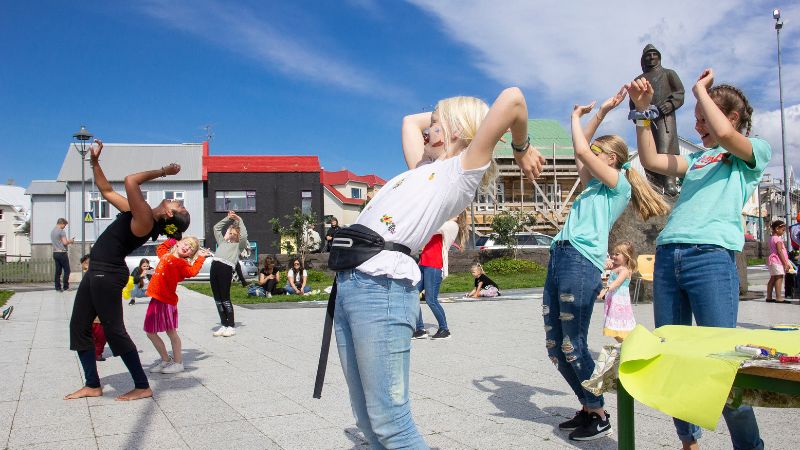
We are quite aware that we’re asking international guests to stay in a small town for five days. To make this enjoyable, we incorporate various activities connected with the town’s nature. In the mornings, we have outdoor activities, like introducing the town to our guests, which everyone can join. We’ve also taken our international guests on hikes up the nearby mountain, as we are situated between the sea and the mountain.
In the evenings, we focus a lot on humour, which is where the festival’s personality shines the brightest. My team is fabulous and excellent, and they have a lot of fun together. They always look forward to coming together to run the festival because they enjoy it so much. Humour is a constant throughout the festival, which is important because documentaries today often deal with heavy subject matter. It’s nice to have an outlet to just laugh and enjoy.
Humour is a constant throughout the festival, which is important because documentaries today often deal with heavy subject matter.
Lastly, as a fan of documentary cinema, what are you most excited about in this year’s program?
I would be most interested in hearing people talk about their films. For me, the first experience I had with film festivals was having this extra access to the creators, understanding why they made certain choices. In most documentaries, you can see the personality of the filmmakers through their work. I find this fascinating because I’m constantly analyzing what’s happening around me.
So, I would say the talks intrigue me the most. This year, we have a tiny programme, and I wouldn’t want to choose one particular film over another. I look forward to the discussions and insights from filmmakers the most.