On the eve of Nordic/Docs 2025 in Fredrikstad (Sept 9–14, centred at Fredrikstad Kino), Festival Director Paul René Roestad frames an edition built for both discovery and dialogue. Expect 70+ films, masterclasses and seminars with a sharpened focus on the personal documentary, with headline guests #Margreth Olin# and #Sara Broos# illuminating craft from lived experience. With attendance rising and a Nordic remit that welcomes complexity, this year’s programme asks what stories change our understanding—and how cinema leaves a lasting imprint. Dive into the thinking behind the selections, operations, and ethos in our interview with Paul René Roestad below.
You’re promising 70–80 films, multiple masterclasses, seminars, and an Awards Night Party. What’s the curatorial through-line that ties those elements together in 2025, beyond volume—what’s the story this edition wants to tell?
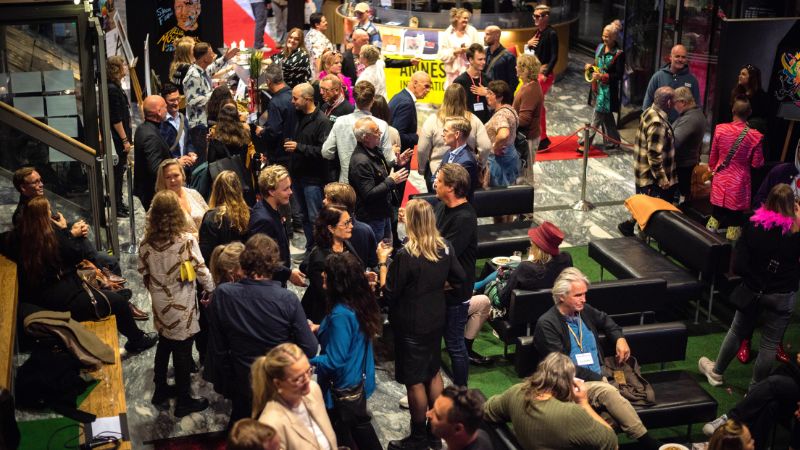
Our primary mission is to provide the most interesting Norwegian and Nordic documentary filmmakers with an arena to showcase their films to a general audience. Additionally, to colleagues for constructive criticism, to meet and exchange knowledge and experience, and to create new networks and partnerships. And at the same time, also to invite international award-winning filmmakers and films to be screened to inspire both a general audience and the Nordic documentarists attending Nordic/Docs.
You cite 10,400 attendees in 2024 and expect 11–12k this year. What operational changes have been made to handle the increase, especially in queueing, seat management, and turnaround between screenings at Fredrikstad Kino?
Yes, the number of audience is significantly increasing every year, especially among young people, which is very satisfactory because our aim is also to attract a younger audience to see and appreciate good documentary films, and they indeed do and come back for more every year.
The site highlights previous masterclasses with Frederick Wiseman, Nick Broomfield, Victor Kossakovsky, Kim Longinotto, Pirjo Honkasalo, Laila Pakalniņa, etc. Who are the 2025 headline guests, and what new craft discussions are you staging (ethics, AI, safety, field recording)?
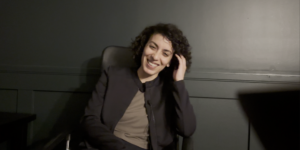
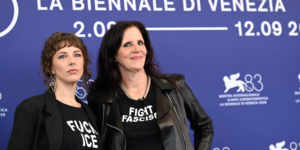
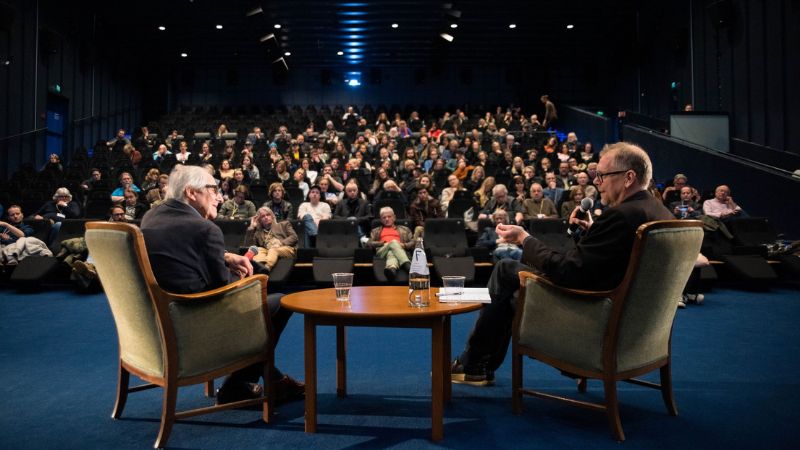
This year, Nordic/Docs focuses on the personal documentary, and two of Scandinavia´s most established and interesting documentary filmmakers, Margreth Olin and Sara Broos, are coming to discuss their own experiences with making documentary films based on personal experiences.
That makes the future of Norwegian and Nordic documentary films very promising.
Nordic/Docs positions itself as a Nordic/Scandinavian submissions festival with an invitation-only international section. How are you defining «Nordic» in practice when co-productions and diasporic histories complicate the map? What tipped an “international” invite over the line this year?
We look for documentaries which make a difference to us as an audience, with stories that increase understanding.
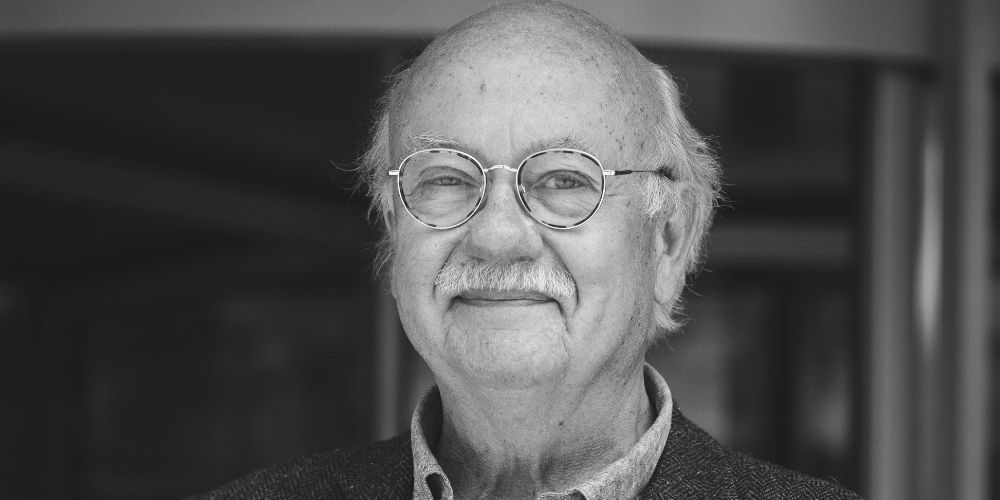
Given your background as a cinematographer and former IMAGO president and FNF leader, how does a cinematographer’s sensibility shape your programming and your advocacy for image-making in documentary right now?
To me, cinematography is about telling stories, and staring up as a young lad as a newspaper still photographer, documentary photography and documentary storytelling have always had a big section of my heart. The telling of important stories through fascinating visual artistry is what fascinates and excites me most, but storytelling is of course also sound, music, and voice. Films fascinate me in many ways, not only through extraordinary images, but also through a combination of many elements. Ideally, the film you see should leave an emotional imprint on you as a viewer. I am very pleased to see that many of the young new filmmakers showing films at Nordic/Docs also possess that ability. That makes the future of Norwegian and Nordic documentary films very promising.