As the 27th Thessaloniki International Documentary Festival (TiDF) gets underway from 6 to 16 March 2025, it reaffirms its place as a vital space for documentary filmmaking. With 261 films in this year’s lineup—including 71 Greek documentaries—the festival reflects both a global and local pulse. From the International Competition to the boundary-pushing >>Film Forward section, the program highlights filmmakers who are redefining the documentary form. A special tribute, «Geography of the Gaze: Off-Plan Greece (1950–2000),» uncovers forgotten cinematic perspectives on the country’s rural landscapes, featuring the long-lost Kastoria by Takis Kanellopoulos.
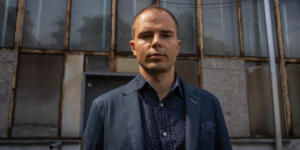
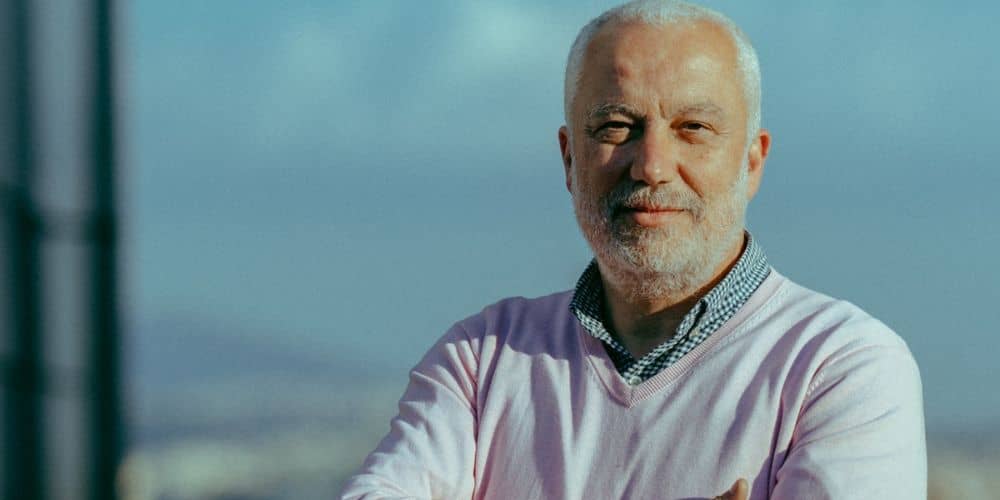
At the heart of these curatorial decisions is #Yorgos Krassakopoulos#, TiDF’s Head of Programming. In our conversation, he reflects on the radical themes shaping this year’s selection, the growing intersections between truth and experimentation in documentary filmmaking, and the ethical dilemmas that come with representing reality in an increasingly complex world.
The most radical aspect of the 2025 program is its unwavering defence of truth and logical thinking at a time when reality itself is being doubted, distorted, and falsified.
What do you believe is the most radical aspect of the 2025 program, and how does it reflect shifts in documentary filmmaking today?
The most radical aspect of the 2025 program is its unwavering defence of truth and logical thinking at a time when reality itself is being doubted, distorted, and falsified. In an era of misinformation and manipulated narratives, documentary filmmaking has become more than just a means of storytelling—it’s a vital act of resistance. This year’s selection highlights films that challenge the erosion of facts, offering nuanced perspectives while maintaining a commitment to authenticity. At the same time, the program embraces experimentation and co-authorship, demonstrating that the documentary form is not confined to rigid structures or traditional modes of thinking. Instead, filmmakers are pushing boundaries, blending techniques, and reimagining how stories are told—without sacrificing the impact or integrity of their work. By moving beyond categorization while remaining grounded in truth, these films reaffirm the power of documentary cinema to engage, inform, and provoke meaningful dialogue in an increasingly uncertain world.
Curation is often about balance—between risk and accessibility, provocation and resonance. What tensions did you grapple with in assembling this year’s program, and where do you think you made the boldest curatorial choices?
One of the most exciting aspects of curating this year’s program was the freedom to take risks without hesitation. We are very lucky to have an audience that embraces challenging films, which allowed us to program boldly—without feeling the need to soften difficult themes or conventionalize experimental approaches. This year, many films push against traditional documentary structures, incorporating performative elements or breaking linear storytelling. Rather than presenting neatly packaged truths, these works ask audiences to sit with uncertainty, mirroring the complexities of the world we live in. At the same time, we aimed for a balance—pairing experimentation with deeply resonant, character-driven storytelling that fosters connection. The boldest choices often emerged when we leaned into uncertainty—selecting films that defy easy classification and rethinking the very nature of storytelling. In a time when reality is constantly being questioned and reshaped, we felt it was essential to include films beyond mere documentation. These works challenge perceptions, spark debate, and encourage audiences to think more boldly, deeply, and inquisitively.
This year, many films push against traditional documentary structures, incorporating performative elements or breaking linear storytelling.
From AI-generated storytelling to immersive documentary experiences, this year’s program engages with the edges of non-fiction filmmaking. What new artistic or technological trends surprised you the most in the 2025 submissions?
One of the most exciting aspects of this year’s submissions was seeing how documentary filmmaking continues to evolve in unexpected ways. The most striking trend isn’t just one particular technique or technology but rather how multifaceted the form has become—gaining confidence as it moves away from rigid formulas and into uncharted, thrilling territory. What stood out the most in this year’s submissions—and is reflected in the program—is the sheer variety of approaches filmmakers are taking in documentary storytelling. There is a growing sense of freedom in how stories are told, whether through bold experimentation, blending genres, or rethinking traditional structures. More than ever, documentaries are moving beyond familiar formats, embracing new perspectives, and challenging the boundaries of nonfiction in exciting and unexpected ways.
How do you see AI-generated or AI-assisted documentaries affecting authorship and authenticity in the field?
AI-generated storytelling is, of course, one of the biggest talking points, and we are curious about how this landscape will evolve. This year, we dedicated a tribute to AI, not to provide answers but to explore the possibilities, challenges, and ethical questions it raises. It’s something we can’t ignore—whether as a tool for creation, a subject of exploration, or a force reshaping our relationship with truth and authorship. Who owns an AI-assisted film? How do we ensure transparency in its use? At the same time, it offers new creative tools—enhancing archival research, generating reconstructions, and expanding storytelling methods. I think the key question is authenticity. As AI becomes more integrated into filmmaking, it’s crucial to navigate its impact thoughtfully—ensuring it complements, rather than compromises, the core values of documentary cinema.
Who owns an AI-assisted film? How do we ensure transparency in its use?
What ethical dilemmas stood out to you in this year’s programming process regarding representation, consent or how certain documentaries frame their subjects?
These are questions that should always be taken into account when programming a documentary festival or anything really. This year, as always, there were passionate discussions among the programming team about certain films—especially those dealing with sensitive topics. It’s important to note, however, that these conversations are always centred around films with a strong perspective or an essential story to tell.
The best documentaries don’t just confront these ethical dilemmas after the fact—they engage with them from the very beginning of the process. From the moment a filmmaker chooses a subject, approaches participants, and shapes the narrative, they are making ethical decisions that will define the integrity of the work. When these complexities are considered from the outset—questions of agency, perspective, and the power dynamics between filmmaker and subject—the result is a more thoughtful, responsible, and ultimately more impactful film.